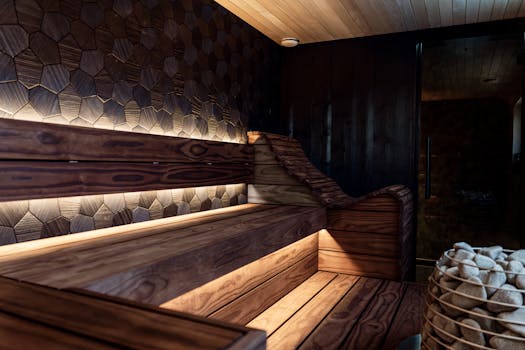
LED lighting has revolutionized the way we illuminate our homes, workplaces, and public spaces. Beyond energy efficiency and longevity, one of the most fascinating aspects of LED technology is its profound influence on human mood and wellbeing. Scientific research and real-world applications are revealing that the color, intensity, and design of LED lighting can significantly impact how we feel, work, and even sleep. Understanding the psychological and physiological effects of LED lighting empowers us to create environments that promote happiness, productivity, and relaxation.
The Science Behind Light and Human Mood
Light is more than just a tool for seeing—it's a biological signal that affects our bodies and minds. The human circadian rhythm, our internal biological clock, is tightly linked to light exposure. Natural sunlight stimulates the production of serotonin, a neurotransmitter associated with feelings of well-being and happiness. Conversely, darkness cues the release of melatonin, which helps us sleep.
LED lighting, with its versatility in color and intensity, can mimic or disrupt these natural cues. A landmark study by the Lighting Research Center found that blue-enriched LED light exposure in the morning boosts alertness and mood, while exposure to intense, cool light in the evening can disrupt sleep patterns. The American Medical Association has even cautioned about the potential health risks of improper LED lighting, especially in public spaces.
Notably, a 2017 study published in "Scientific Reports" observed that working in environments with adjustable LED lighting increased participants’ reported happiness by 12% compared to those in traditional fluorescent-lit spaces. These findings underscore the vital link between artificial lighting and emotional wellbeing.
How LED Color Temperature Influences Emotions
One of the unique advantages of LED technology is its ability to emit a broad range of color temperatures, measured in Kelvins (K). Color temperature has a direct psychological impact:
- Warm white (2700K–3000K): Mimics the gentle glow of sunrise or sunset. This lighting is relaxing and often used in living rooms and bedrooms to promote comfort and intimacy. - Neutral white (3500K–4100K): Feels balanced and is commonly used in kitchens and bathrooms where clarity is important but harshness is undesirable. - Cool white (5000K–6500K): Resembles daylight at noon. This crisp, energizing light is used in offices and classrooms to boost concentration and alertness.The table below summarizes the mood effects of different LED color temperatures:
| Color Temperature (Kelvin) | Typical Use | Mood Influence |
|---|---|---|
| 2700K – 3000K (Warm White) | Living rooms, bedrooms | Relaxing, cozy, intimate |
| 3500K – 4100K (Neutral White) | Kitchens, bathrooms | Balanced, calm, clear |
| 5000K – 6500K (Cool White) | Offices, schools | Alert, focused, energetic |
A 2018 report from the International WELL Building Institute highlighted that workers exposed to cooler, blue-rich LED lighting during daytime hours reported up to 25% higher levels of alertness and productivity compared to those under warmer lighting.
LED Lighting Intensity and Its Impact on Wellbeing
The intensity of light, measured in lux, also plays a crucial role in shaping mood. Brightness can stimulate wakefulness and boost energy, while dimmer settings encourage relaxation and even creativity. LED lights allow for easy dimming, enabling personalized lighting experiences.
In a study by the University of Toronto, participants in a brightly lit room (1,000 lux) experienced more intense emotions—both positive and negative—than those in a dim room (150 lux). This suggests that higher intensity LEDs can amplify feelings, making spaces feel more dynamic or, in some cases, overwhelming.
Smart LED systems take this further by allowing users to program different brightness levels throughout the day. For example, gradually dimming lights in the evening can help signal to the body that it's time to wind down, supporting natural sleep cycles.
Dynamic LED Lighting and Mood Enhancement
Advances in LED technology have led to dynamic lighting systems that shift in color and intensity throughout the day, mimicking the natural progression of sunlight. These human-centric lighting solutions are now used in offices, schools, hospitals, and even homes to promote wellbeing.
A real-world example is the installation of tunable LED lighting in the ICU at a major hospital in Copenhagen. The lights automatically shifted from bright, cool tones during the day to warmer, dimmer light in the evening. Within six months, hospital staff reported a 20% drop in fatigue and a 15% improvement in overall job satisfaction.
Schools adopting dynamic LED lighting have seen similar benefits. A German study found that students in classrooms with adjustable LED lighting performed 18% better on concentration tests, and teachers noted fewer behavioral issues.
Potential Downsides: Blue Light and Sleep Disruption
While LED lighting brings many benefits, there are potential downsides, particularly regarding blue light exposure. LEDs, especially those with high color temperatures, emit significant blue wavelengths. Excessive blue light exposure in the evening can suppress melatonin production, making it harder to fall asleep.
A 2019 survey by the Sleep Foundation found that 68% of people who used bright, cool LED lights in their bedrooms reported difficulty falling asleep, compared to just 32% who used warm, dim lights. The World Health Organization has recognized light pollution and inappropriate lighting as potential public health concerns, urging careful use of high-intensity, blue-rich LEDs at night.
To counteract these effects, experts recommend using warm, dim LED lighting in the evening and limiting exposure to screens and cool lighting at least an hour before bedtime.
Practical Tips for Using LED Lighting to Improve Mood
Harnessing the mood-enhancing power of LED lighting doesn’t require a complete renovation. Here are some evidence-based strategies:
- Use adjustable LED bulbs or smart lighting systems to change color temperature and brightness according to the time of day. - Install warm white LEDs (2700K–3000K) in bedrooms and living spaces to create a relaxing environment. - Reserve cool white LEDs (5000K–6500K) for workspaces or study areas where high alertness is needed. - Dim LED lights in the evening to support natural sleep rhythms. - Consider dynamic LED lighting solutions that automatically adjust throughout the day, especially in shared or public spaces.By mindfully choosing and adjusting LED lighting, you can create environments that support emotional wellness, productivity, and restful sleep.
The Lasting Impact of LED Lighting on Emotional Wellness
The influence of LED lighting on mood is a powerful, often underappreciated aspect of modern life. Scientific evidence confirms that the right LED lighting can fuel energy, sharpen focus, foster relaxation, and even support better sleep. As LED technology continues to evolve, its potential to enhance emotional wellbeing—in homes, workplaces, schools, and hospitals—will only grow.
By understanding the interaction between light and the human mind, we can use LED lighting not just for vision, but for vitality. Thoughtful use of color temperature, intensity, and dynamic controls allows us to shape the emotional climate of our surroundings, creating spaces that nurture, inspire, and heal.