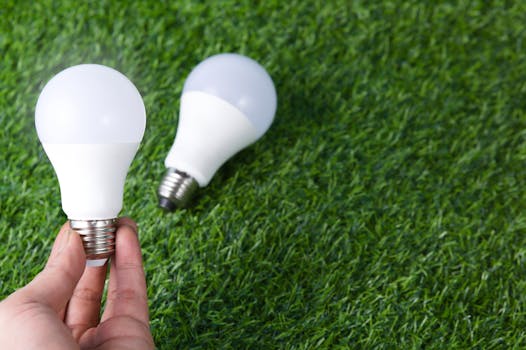
LED lighting has transformed the way homes, businesses, and cities are illuminated. With a reputation for energy efficiency, longevity, and versatility, LEDs (Light Emitting Diodes) have become the lighting technology of choice for countless applications around the globe. But what exactly makes LED lighting so special, and how does it differ from traditional bulbs? If you’re interested in understanding the basics of LED lighting, this in-depth guide will provide clear answers, reliable data, and practical comparisons to help you make informed decisions about your lighting needs.
The Science Behind LED Lighting
To appreciate the benefits of LED lighting, it’s helpful to first understand how it works. Traditional light bulbs, such as incandescent and fluorescent lamps, rely on heating a filament or exciting gas to produce light. In contrast, LEDs use a completely different mechanism.
An LED is a semiconductor device. When an electrical current passes through the semiconductor material, it emits light as a result of a process called electroluminescence. This process generates light efficiently, with little energy lost as heat. The color of the light produced depends on the materials used in the semiconductor, allowing LEDs to emit a wide range of colors and even mimic natural daylight.
One of the earliest practical LEDs was developed in the early 1960s, emitting only red light and used mainly as indicator lights. By the 1990s, breakthroughs in semiconductor materials allowed for the creation of white LEDs, making them suitable for general lighting.
Key Advantages of LED Lighting
LED technology offers a host of advantages over traditional lighting options, making it a popular choice for residential, commercial, and industrial applications. Here are some of the most significant benefits:
1. $1: LEDs use at least 75% less energy than incandescent lighting, according to the U.S. Department of Energy. A typical 10-watt LED can produce the same amount of light as a 60-watt incandescent bulb. 2. $1: LEDs can last up to 25,000-50,000 hours, compared to about 1,000 hours for incandescent bulbs and 8,000-10,000 hours for compact fluorescents. This means fewer replacements and lower maintenance costs. 3. $1: Because LEDs consume less power and last longer, they reduce energy demand and waste. Unlike fluorescent bulbs, LEDs contain no mercury or hazardous materials. 4. $1: LEDs are solid-state lights, making them more resistant to shocks, vibrations, and extreme temperatures compared to glass bulbs. 5. $1: Unlike some fluorescent bulbs, LEDs reach full brightness immediately when switched on, with no warm-up period. 6. $1: LEDs can be made in a variety of shapes, sizes, and colors. They’re used in everything from tiny indicator lights to massive stadium floodlights.Comparing LED Lighting to Traditional Bulbs
To better understand the practical differences, let’s compare LED lighting to incandescent and compact fluorescent (CFL) bulbs. The table below highlights key characteristics:
| Feature | LED | Incandescent | Compact Fluorescent (CFL) |
|---|---|---|---|
| Typical Lifespan (hours) | 25,000 – 50,000 | 1,000 | 8,000 – 10,000 |
| Watts to Produce 800 Lumens | 8 – 12 | 60 | 13 – 15 |
| Contains Mercury | No | No | Yes |
| On/Off Instantaneous | Yes | Yes | Often Delayed |
| Color Options | Wide Range | Limited | Moderate |
| Heat Emission | Very Low | High | Moderate |
| Price (Per Bulb, 2024 Average) | $2 – $5 | $0.50 – $1 | $2 – $4 |
From this comparison, it’s clear that while LEDs may have a higher upfront cost, their long lifespan and low energy use make them the most economical choice over time. For example, replacing a home’s 20 incandescent bulbs with LEDs can save up to $225 per year in energy costs.
Understanding Lumens, Color Temperature, and CRI
When shopping for LED lighting, you’ll encounter terms like lumens, color temperature, and CRI. Understanding these can help you choose the best lighting for your space.
- $1 measure the amount of visible light emitted by a source. More lumens mean a brighter light. For reference, a standard 60-watt incandescent bulb produces about 800 lumens. - $1 is measured in Kelvins (K) and describes the color appearance of the light. Lower values (2700K–3000K) create a warm, yellowish light similar to traditional bulbs, ideal for living rooms and bedrooms. Higher values (4000K–5000K) produce a cool, bluish-white light, suitable for kitchens, garages, or offices. - $1 rates a light source's ability to show object colors faithfully compared to natural light. LEDs typically have a CRI between 80 and 98, with 100 being the maximum (sunlight). Higher CRI LEDs are preferred for tasks requiring accurate color perception, such as in art studios or retail settings.How to Choose the Right LED Lighting
Choosing the right LED lighting involves more than just picking a bulb shape. Here are some tips to help you get the most from your investment:
1. $1: Replace incandescent bulbs based on lumens, not watts. For example, if you want to replace a 60-watt bulb, look for an LED that delivers 800 lumens. 2. $1: For a cozy atmosphere, choose warm white (2700K–3000K). For workspaces or bathrooms, daylight or cool white (4000K–5000K) can enhance visibility. 3. $1: Some LED bulbs are not compatible with older dimmer switches. Look for “dimmable” LEDs and, if needed, update your dimmer to an LED-compatible model. 4. $1: Choose LED products with Energy Star or DesignLights Consortium (DLC) certification. These indicate the bulb meets strict energy efficiency and performance standards. 5. $1: Quality LED bulbs often come with warranties of 3–5 years, reflecting their expected lifespan and reliability. 6. $1: Many modern LEDs can be integrated with smart home systems, allowing you to control brightness, color, and schedules via smartphone apps or voice assistants.LED Lighting in Everyday Life: Real-World Impact
The adoption of LED lighting has led to significant energy savings and environmental benefits worldwide. According to the International Energy Agency (IEA), LED technology accounted for nearly 57% of global lighting sales in 2023, up from just 5% a decade earlier. This shift has contributed to a reduction of over 1.5 billion tons of CO2 emissions since 2010.
In cities, LED streetlights have improved visibility and safety while cutting electricity costs. For example, Los Angeles replaced 215,000 streetlights with LEDs, saving $8.7 million annually in energy and maintenance costs. In households, switching to LED lighting can reduce lighting-related electricity use by more than 70%.
Beyond homes and streets, LEDs are used in automotive lighting, horticulture, display screens, and even medical devices. Their versatility continues to drive innovation in how we use and experience light.
Final Thoughts on the Basics of LED Lighting
Understanding the basics of LED lighting empowers you to make energy-smart, cost-effective, and environmentally responsible choices. LEDs outperform traditional lighting in efficiency, longevity, and flexibility, offering substantial long-term benefits for both your wallet and the planet. By paying attention to lumens, color temperature, and quality certifications, you can find the perfect LED solution for any space—whether it’s your living room, office, or backyard patio. As technology continues to advance, expect LED lighting to become even more efficient, affordable, and accessible in the years ahead.