The Impact of LED Lighting on Energy Savings in the Home
Households across the world are searching for effective ways to reduce energy consumption and lower utility bills. As energy costs rise and environmental concerns grow, one technology has emerged as a clear solution: LED lighting. The shift from traditional incandescent and fluorescent bulbs to LEDs has transformed how we illuminate our homes, offering remarkable improvements in efficiency, longevity, and overall energy savings. But how significant are these savings, and what does the true impact of LED lighting look like in the average household? This article delves deep into the numbers, the mechanisms, and the broader implications of switching to LED lighting in the home environment.
The Evolution of Residential Lighting: From Incandescent to LED
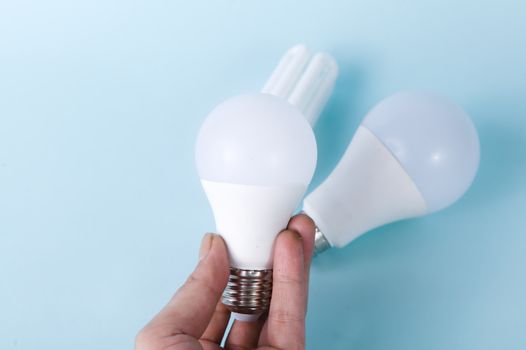
Understanding the impact of LED lighting on energy savings begins with a quick look at how home lighting has evolved. For over a century, incandescent bulbs dominated residential lighting. These bulbs, while cheap to purchase, are highly inefficient, converting only about 10% of the electricity they consume into visible light—the rest is lost as heat. In contrast, compact fluorescent lamps (CFLs) introduced in the late 20th century offered an improvement, using about 70% less energy than incandescents.
However, the real game-changer arrived with light-emitting diode (LED) technology. According to the U.S. Department of Energy, LEDs use at least 75% less energy and last up to 25 times longer than incandescent lighting. In 2023, over 60% of U.S. households reported having LED bulbs in most or all sockets, a dramatic jump from just 4% in 2015. This rapid adoption highlights the growing awareness of both the cost and energy savings LEDs provide.
How LED Lighting Reduces Household Energy Consumption
The efficiency of LED lighting lies in its unique mechanism of producing light. Unlike incandescent bulbs that rely on heating a filament, LEDs generate light through electroluminescence, which directly converts electric current into visible photons with minimal heat loss. This process is far more efficient, with modern LEDs achieving luminous efficacies of 100-150 lumens per watt, compared to 15 lumens per watt for traditional bulbs.
To put it in perspective, replacing a single 60-watt incandescent bulb with a 10-watt LED can save around 50 kilowatt-hours (kWh) of electricity per year, assuming 3 hours of daily use. Multiply this by the average number of bulbs in a U.S. home—about 40—and the cumulative effect becomes clear. According to the Energy Information Administration (EIA), lighting accounts for about 15% of residential electricity usage in the United States. If every household made a complete switch to LEDs, the national energy savings would be equivalent to the annual output of 44 large power plants.
Cost Savings: Comparing LED, CFL, and Incandescent Bulbs
While LEDs often have a higher upfront cost, their long-term savings are substantial. Consider the following comparison, based on typical U.S. electricity rates and average bulb lifespans:
| Bulb Type | Wattage | Average Lifespan (hours) | Annual Energy Cost (per bulb) | Total Cost Over 10 Years (per bulb) |
|---|---|---|---|---|
| Incandescent | 60W | 1,000 | $8.76 | $69 |
| CFL | 13W | 8,000 | $1.90 | $23 |
| LED | 10W | 25,000 | $1.46 | $17 |
These calculations use an average electricity cost of $0.12 per kWh and assume 3 hours of use per day. The total cost includes both the purchase price and the energy consumed over ten years. Clearly, despite costing more upfront, LEDs provide significant savings through reduced energy use and the need for fewer replacements.
Environmental Benefits of LED Lighting at Home
The impact of LED lighting extends beyond personal savings—it has a measurable effect on the environment. The U.S. Department of Energy estimates that widespread adoption of LED lighting could reduce annual carbon dioxide emissions by 100 million metric tons by 2030, equivalent to the emissions from over 21 million cars.
LEDs are also free of toxic materials like mercury, which is found in CFLs. This makes disposal safer and reduces the potential for environmental contamination. Additionally, because LEDs last much longer (up to 25,000 hours or more), fewer bulbs end up in landfills, further reducing the ecological footprint of household lighting.
Smart LEDs and the Next Level of Energy Efficiency
The evolution of LED technology hasn’t stopped at simple efficiency gains. The advent of smart LED bulbs allows homeowners even greater control over their energy use. Smart LEDs can be programmed, dimmed, or scheduled via smartphone apps or voice assistants, ensuring lights are only on when needed. Some models even adjust brightness automatically based on natural light levels or occupancy sensors.
According to a 2022 report by Statista, the smart lighting market is expected to grow to $21 billion by 2026, with residential adoption being a key driver. Households that combine LEDs with smart controls can see an additional 20-40% reduction in lighting energy consumption compared to LEDs alone.
Real-World Impact: Case Studies and Utility Programs
Numerous utility companies and government agencies have recognized the value of LED lighting and now offer rebates, discounts, or free LED bulbs to encourage adoption. For instance, the state of California’s "Energy Upgrade California" program has distributed over 50 million LED bulbs since 2016, contributing to a statewide reduction in residential electricity usage.
A 2021 study by the American Council for an Energy-Efficient Economy (ACEEE) found that households participating in utility-sponsored LED programs reduced their lighting energy use by an average of 45%. In another example, a family in Boston replaced all 50 bulbs in their home with LEDs and reported a monthly electricity bill reduction of $30, amounting to $360 in annual savings.
Maximizing the Benefits: Tips for Homeowners
To unlock the full energy-saving potential of LED lighting, homeowners should:
- Replace all frequently used bulbs with ENERGY STAR-rated LEDs, which meet strict efficiency and quality standards. - Choose the right color temperature (measured in Kelvins) for each room. Lower temperatures (2700K-3000K) create a warm ambiance for living rooms and bedrooms, while higher temperatures (4000K-5000K) are ideal for task lighting in kitchens and workspaces. - Take advantage of dimmable LED options and pair them with compatible dimmer switches to further reduce energy use. - Consider integrating smart LED bulbs or fixtures to automate lighting schedules, respond to occupancy, or adjust brightness based on time of day.By making these choices, homeowners can reduce their lighting-related energy consumption by up to 80% compared to traditional bulbs.
Final Thoughts on the Impact of LED Lighting on Home Energy Savings
The adoption of LED lighting represents one of the most accessible and effective ways for homeowners to cut energy use, reduce utility bills, and shrink their environmental footprint. From dramatic improvements in efficiency to the flexibility offered by smart LED systems, the benefits are both immediate and long-lasting. As the technology continues to evolve and prices fall, the case for switching to LEDs becomes stronger with each passing year. For families seeking to make a meaningful difference in both their finances and their environmental impact, upgrading to LED lighting is an investment that pays dividends for years to come.