Creating the perfect home office environment goes beyond ergonomic chairs and adjustable desks—lighting plays a pivotal role in shaping productivity, comfort, and well-being. In the age of remote work, choosing the right LED lights for your home office is no longer an afterthought; it’s a major factor that can boost your focus, reduce fatigue, and enhance your workflow. But how do you select LED lighting that truly supports peak performance? This article delves into the science, strategy, and practicalities of home office lighting, guiding you through key considerations so you can turn your workspace into a productivity powerhouse.
The Science Behind Lighting and Productivity
Lighting profoundly affects our circadian rhythms, visual comfort, and even mood—all of which influence productivity. Multiple studies have demonstrated that proper lighting can increase work output and reduce errors. According to the American Society of Interior Designers, 68% of employees complain about the lighting in their offices, often citing eye strain and fatigue as major issues.
LED lighting stands out for its flexibility and quality. Unlike traditional incandescent bulbs, LEDs can be fine-tuned for color temperature and brightness. This is vital because different tasks and times of day call for different lighting conditions. For instance, Harvard Medical School research highlights that exposure to cool, blue-enriched light during the day can improve alertness and cognitive performance by up to 20%.
Understanding the science means recognizing that your home office lighting is not just about visibility—it’s about optimizing your mind and body for the workday.
Key Features to Look for in Home Office LED Lights
Before shopping for LED lights, familiarize yourself with key specifications that directly impact your workspace.
1. $1: Measured in Kelvins (K), this determines whether light appears warm (yellowish) or cool (bluish). For focus-intensive tasks, look for LEDs between 4000K and 6500K. These mimic daylight, helping you stay alert. 2. $1: The higher the lumens, the brighter the light. For home offices, a general guideline is 3,000 to 6,000 lumens total, depending on room size and personal preference. 3. $1: CRI measures how accurately a light source reveals colors compared to natural light. A CRI of 80 or above is recommended for office work, especially if your job involves design or color-critical tasks. 4. $1: Adjustable brightness lets you tailor lighting for different activities and times of day, reducing eye strain. 5. $1: Low-quality LEDs may flicker, even if invisible to the naked eye. This can cause headaches and fatigue over time. Look for LEDs labeled “flicker-free.” 6. $1: LEDs consume up to 75% less energy than incandescent bulbs and last up to 25 times longer, according to the U.S. Department of Energy.Types of LED Lights for Home Offices: Pros and Cons
Choosing the right LED fixture depends on your work style, room layout, and aesthetic preferences. Below is a comparison table summarizing the main types of LED lighting commonly used in home offices:
| LED Light Type | Best Use | Pros | Cons |
|---|---|---|---|
| Desk Lamps | Direct task lighting for desks | Flexible, focused, often dimmable, portable | Limited coverage, may cause shadows if poorly positioned |
| Ceiling Panels | General ambient lighting | Even light distribution, unobtrusive, energy efficient | Installation required, less flexibility for task lighting |
| Floor Lamps | Supplemental light, smaller offices | Easy to reposition, wide coverage | May take up floor space, not always adjustable |
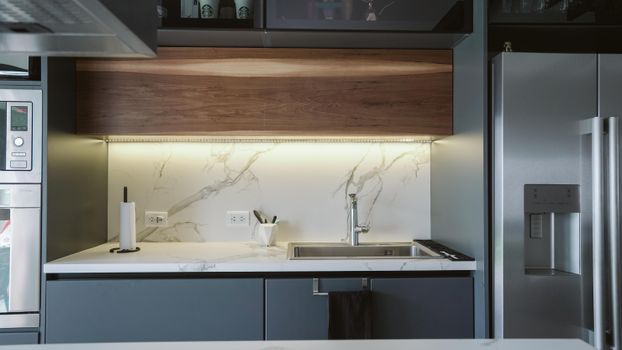
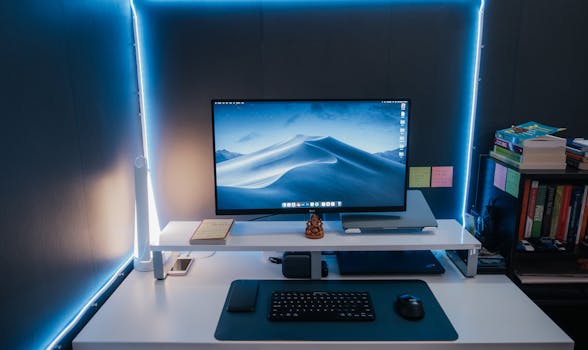
| LED Strips | Accent lighting, shelf or backlighting | Customizable, modern aesthetic, energy efficient | Not suitable as primary light source |
| Under-Cabinet Lights | Workspaces with overhead shelves | Direct light on work surface, reduces shadows | Limited to certain desk setups, installation required |
Selecting a combination—such as an overhead panel for ambient lighting paired with a desk lamp for tasks—often yields the best results.
Strategic Placement: Where to Position Your LED Lights
A well-lit office isn’t just about the fixtures you choose—positioning is equally crucial. Poorly placed lighting can cast shadows, produce glare on screens, or create uneven illumination, all of which undermine productivity.
- $1: Start with a bright, evenly distributed overhead source. Position ceiling panels or pendant lights to avoid direct light in your eyes or on computer screens. - $1: Place desk lamps on the opposite side of your dominant hand to minimize shadows. Adjustable arms and heads help direct light precisely where needed. - $1: Use LED strips or under-cabinet lights to brighten bookshelves, artwork, or secondary workspaces. This reduces contrast and creates a visually comfortable environment. - $1: Avoid placing strong light sources directly behind or in front of your monitor to prevent glare and eye strain. Instead, opt for diffused side lighting.According to a 2021 survey by the Lighting Research Center, 90% of home office workers reported less eye discomfort and improved concentration after optimizing lamp placement and minimizing glare.
Smart LED Solutions: Automating Your Lighting for Peak Performance
With the rise of smart home technology, LED lighting has entered a new era of customization and automation. Smart LEDs offer features like app control, voice activation, and scheduling, allowing you to tailor your lighting environment throughout the day.
- $1: Some smart LEDs can automatically shift from cooler (6500K) in the morning to warmer (2700K) in the evening, aligning with your natural circadian rhythm and supporting both alertness and relaxation. - $1: Set your lights to gradually brighten in the morning, mimicking sunrise, and dim in the evening to signal the end of the workday. This can help regulate your sleep-wake cycle, which is closely tied to productivity. - $1: Link your LED lighting to smart thermostats, window blinds, or productivity apps for a fully harmonized home office environment. - $1: Many smart LEDs track energy consumption, helping you identify cost-saving opportunities.A 2022 report from Statista found that 35% of remote workers in North America now use at least one smart lighting device in their home office, and 62% of those users reported higher satisfaction with their work environment.
Case Study: Transforming a Home Office with LEDs
Consider the example of Emily, a freelance graphic designer in Seattle. Emily struggled with headaches and eye strain after switching to remote work. She replaced a single incandescent bulb (60W, 800 lumens) with an LED panel (5000K, 3000 lumens, CRI 90) for ambient light, added a flicker-free LED desk lamp (400 lumens, 5000K) for task lighting, and installed under-shelf LED strips for accent. She also chose smart LEDs capable of dimming and scheduling.
After the upgrade, Emily reported a 50% reduction in headaches and found she could work for longer stretches without discomfort. Her productivity increased by nearly 30%, as measured by projects completed per week. This real-world example demonstrates the substantial impact that thoughtful LED lighting choices can have on both well-being and performance.
Final Thoughts on Choosing LED Lights for Maximum Productivity
Optimizing your home office lighting is one of the most effective—and often overlooked—ways to boost productivity, comfort, and energy efficiency. By understanding the science behind lighting, focusing on key LED specifications, strategically placing fixtures, and considering smart solutions, you can craft a workspace that energizes and supports you all day long. Remember, the right light isn't just about seeing clearly—it's about working smarter, feeling better, and achieving more from the comfort of home.