How to Choose LED Lighting for Your Office: Tips and Tricks
Office environments are rapidly evolving, and so are the demands placed on workplace lighting. The right lighting goes far beyond simple illumination — it shapes productivity, supports employee well-being, and even impacts operational costs. As organizations seek both efficiency and functionality, LED lighting has emerged as the gold standard for modern offices. But with a dizzying array of LED options on the market, how do you choose the best solution for your unique office needs? This guide will walk you through essential considerations, practical tips, and insider tricks to ensure your office shines in all the right ways.
Understanding LED Lighting Basics for Offices
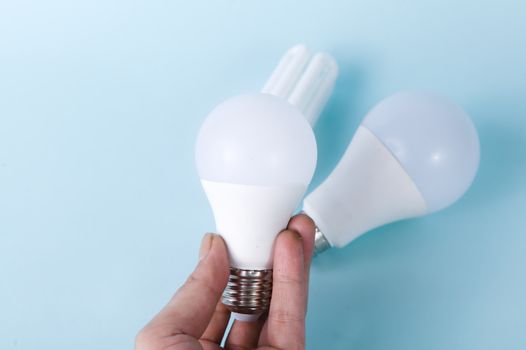
Before diving into the details of product selection, it’s important to understand what sets LED lighting apart from traditional options like fluorescent or incandescent bulbs. Light Emitting Diode (LED) technology offers a combination of energy efficiency, long lifespan, and customizable light output. According to the U.S. Department of Energy, LED lights use at least 75% less energy and last up to 25 times longer than incandescent lighting.
But not all LEDs are created equal, especially when it comes to office environments. Factors such as color temperature, brightness (lumens), color rendering index (CRI), and fixture compatibility can dramatically influence the quality and effectiveness of your office lighting.
Let’s break down some of the key technical terms:
- $1 Measure the actual brightness of the light. - $1 Measured in Kelvins (K), determines whether the light feels warm (yellowish) or cool (bluish). - $1 Indicates how accurately the light renders colors compared to natural light (0-100 scale). - $1 Expressed as lumens per watt, shows how efficient the light source is.These parameters provide a foundation for selecting the right LED lighting for any office application.
Tailoring LED Lighting to Office Activities and Layout
The optimal LED solution depends heavily on the size, function, and layout of your office. A one-size-fits-all approach rarely delivers the best results. Here’s how to tailor your choices:
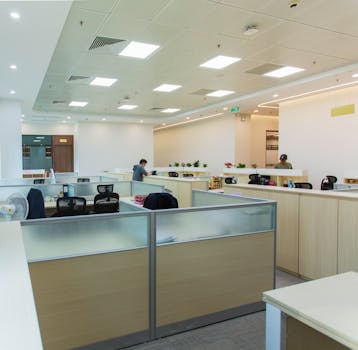
- $1 These spaces benefit from uniform, glare-free lighting to support collaboration and reduce eye strain. Linear LED panels or troffers with diffusers are ideal. - $1 Task lighting becomes more important. Adjustable desk lamps with high CRI LEDs help reduce fatigue during detailed work. - $1 Dimmable LEDs allow for flexible control depending on the activity — from presentations to brainstorming sessions. - $1 Accent lighting can create a welcoming atmosphere, while spotlights or wall washers highlight architectural features or artwork.A well-designed layout also considers natural light. For example, perimeter offices with large windows may need tunable LEDs that automatically adjust in response to daylight, maintaining consistent illumination throughout the day.
Choosing the Right Color Temperature for Productivity and Comfort
Color temperature is a critical factor in office lighting, directly influencing mood and productivity. Here’s what you need to know:
- $1 Mimics daylight, supports alertness and focus. Ideal for workstations, meeting rooms, and collaborative spaces. - $1 Provides a balanced, clear light without being too harsh. Suitable for general office areas. - $1 Creates a relaxed, cozy atmosphere. Best for break rooms, lounges, or reception areas.A landmark study by the American Society of Interior Designers found that 68% of employees complained about the lighting in their offices, often citing inappropriate color temperature as a primary issue. Selecting the correct color temperature for each area of your office is essential for both comfort and productivity.
Comparing LED Fixture Types: Pros and Cons
The modern office can benefit from various LED fixture types, each with unique strengths and ideal use cases. Below is a comparison table to help you make informed decisions:
| Fixture Type | Best For | Pros | Cons |
|---|---|---|---|
| LED Panel Lights | Open-plan offices, conference rooms | Uniform light, low glare, energy efficient | Higher upfront cost |
| LED Downlights | Private offices, corridors | Sleek design, focused illumination | Covers limited area, may require more fixtures |
| LED Troffers | Drop ceilings, large open spaces | Easy retrofit, broad coverage | Less aesthetic, not ideal for accent lighting |
| LED Desk Lamps | Workstations, individual desks | Flexible, personal control, high CRI options | Not suitable as primary lighting |
| LED Strip Lights | Accent, under-cabinet, signage | Customizable, versatile, energy efficient | Installation may be complex |
Choosing the right mix of fixtures ensures that every area of your office is optimally lit for its intended use.
Maximizing Energy Savings and Sustainability
One of the most compelling reasons to opt for LED lighting is the potential for significant cost savings and reduced environmental impact. According to the International Energy Agency, lighting accounts for 15% of global electricity consumption, and offices can cut lighting energy use by more than 50% by switching to LEDs with smart controls.
To maximize these benefits:
- $1 which guarantee high efficiency and quality. - $1 such as occupancy sensors, daylight harvesting, and programmable timers to avoid wasted energy. - $1 that allow remote monitoring, maintenance alerts, and usage analytics. - $1 to future-proof your installation and minimize electronic waste.A case in point: A 20,000-square-foot office in Chicago upgraded to LED lighting with occupancy sensors and reduced its annual lighting energy consumption by 62%, saving more than $14,000 per year.
Prioritizing Health, Well-Being, and Employee Satisfaction
Beyond energy savings and productivity, the best office lighting supports the health and well-being of your team. Poor lighting can lead to eye strain, headaches, and even disrupt circadian rhythms. Here are some often-overlooked tips:
- $1 for accurate color rendering, which reduces visual fatigue during long work sessions. - $1 which automatically adjust color temperature and intensity throughout the day to support natural sleep-wake cycles. - $1 Look for flicker-free drivers and fixtures with proper diffusion. - $1 Eliminate dark spots and minimize sharp contrasts to reduce the risk of accidents.Recent research from the Lighting Research Center indicates that employees exposed to properly tuned LED lighting report 23% higher levels of satisfaction and a 12% decrease in eye discomfort.
Final Tips and Tricks for Selecting LED Lighting for Your Office
Choosing LED lighting for your office is an investment in your organization’s productivity, sustainability, and culture. Here are some expert strategies to ensure success:
- $1 to assess current conditions and identify areas for improvement. - $1 before rolling out across the entire office. - $1 by gathering feedback on lighting preferences and needs. - $1 for complex projects or unique architectural features. - $1 As office layouts and work habits evolve, choose fixtures and controls that can adapt without major rewiring or renovations.Remember, the right lighting is more than a functional necessity — it’s a strategic asset that supports every aspect of your business.