LED Lighting and the Ecological Footprint of Households: Advancing Sustainability and Energy Efficiency
As households around the globe become increasingly conscious of their environmental impact, the shift toward more sustainable practices is no longer a niche trend—it's a mainstream movement. One of the most significant changes homeowners can make to reduce their ecological footprint is upgrading to LED lighting. While LED bulbs are often praised for their energy-saving capabilities, their broader impact on sustainability and ecological health is equally impressive. This article explores how LED lighting transforms a household’s environmental footprint, highlighting the advantages, potential savings, and the science behind these modern illuminators.
The Science Behind LED Lighting and Energy Efficiency
Light Emitting Diode (LED) technology has revolutionized the way we illuminate our homes. Unlike traditional incandescent bulbs that rely on heating a wire filament until it glows, LEDs produce light through electroluminescence—a process that generates light when an electrical current passes through a semiconductor material. This fundamental difference has profound implications for energy use and sustainability.
Incandescent bulbs convert only about 10% of the electricity they consume into visible light, with the remaining 90% lost as heat. In stark contrast, LEDs convert up to 90% of the energy they use into light, making them vastly more efficient. According to the U.S. Department of Energy, residential LEDs use at least 75% less energy and last 25 times longer than incandescent lighting. This increase in efficiency translates directly into lower household electricity consumption, reduced greenhouse gas emissions, and a smaller overall ecological footprint.
Quantifying the Environmental Impact: Numbers That Matter
To appreciate the true ecological benefit of LED lighting, it’s important to look at the numbers. Lighting accounts for approximately 15% of an average home’s electricity use, according to the U.S. Energy Information Administration. By switching to LED lighting, a household can make an immediate and measurable difference.
For example: - Replacing just five of your home’s most frequently used light fixtures with ENERGY STAR certified LEDs can save $75 per year in energy costs. - A single 60-watt incandescent bulb used for 1,000 hours consumes 60 kWh of electricity. An equivalent LED uses only about 8-10 watts, consuming just 8-10 kWh over the same period—a reduction of over 80%. - If every U.S. household replaced just one incandescent bulb with an LED, the energy savings would be enough to light more than 2.5 million homes for a year and prevent nearly 9 billion pounds of annual greenhouse gas emissions.Here’s a direct comparison of typical household bulb types:
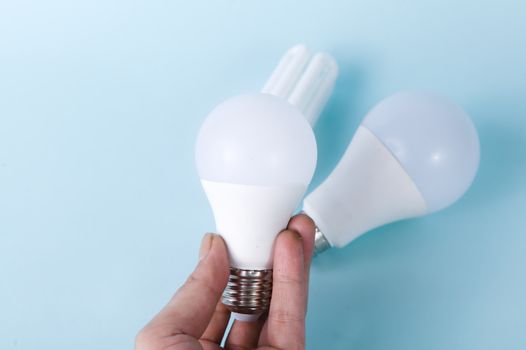
| Bulb Type | Average Lifespan (hours) | Wattage (60W Equivalent) | Annual Cost (per bulb) | CO2 Emissions (kg/year, per bulb) |
|---|---|---|---|---|
| Incandescent | 1,000 | 60W | $7.23 | 25.5 |
| CFL | 8,000 | 13W | $1.57 | 5.5 |
| LED | 25,000 | 8W | $0.97 | 3.3 |
These numbers illustrate that the switch to LED lighting is one of the most effective steps households can take to reduce both energy bills and carbon footprints.
Waste Reduction and Resource Conservation Through LEDs
The ecological impact of lighting is not limited to energy consumption. The manufacturing, disposal, and replacement cycles of bulbs contribute significantly to landfill waste and resource depletion.
Incandescent and compact fluorescent lamps (CFLs) have relatively short lifespans, requiring frequent replacements. An average incandescent bulb lasts around 1,000 hours, while a CFL might last 8,000 hours. In contrast, a typical LED bulb can last 25,000 hours or more—up to 25 times longer than incandescent options. Over ten years, a single LED bulb could replace the need for 10-25 incandescent bulbs.
This longevity dramatically reduces waste. Fewer bulbs need to be manufactured, shipped, and disposed of, resulting in lower resource extraction and less landfill accumulation. Furthermore, LEDs do not contain hazardous substances like mercury, which is present in CFLs and poses disposal challenges. In 2019, it was estimated that over 670 million mercury-containing bulbs were discarded globally—a problem that could be virtually eliminated with widespread LED adoption.
LED Lighting's Role in Lowering Household Carbon Emissions
Electricity generation is a major source of carbon dioxide (CO2) emissions, especially where power is derived from fossil fuels. By using less electricity for the same amount of light, LEDs directly reduce the demand on power plants and, consequently, the amount of CO2 released into the atmosphere.
According to the International Energy Agency (IEA), global adoption of LED technology has the potential to cut worldwide electricity consumption for lighting by more than half. For an individual household, this means that switching all lighting to LEDs can decrease annual CO2 emissions by approximately 450 pounds per year, based on average U.S. grid emissions. This reduction is equivalent to not burning 22 gallons of gasoline or planting over five trees annually, per home.
Moreover, LEDs’ compatibility with smart home systems and dimmers allows further emission reductions. Many modern LEDs can be integrated into automated systems that ensure lights are only on when needed, optimizing energy use and shrinking a household’s carbon footprint even further.
Financial and Environmental Payback: Is the Investment Worth It?
While LED bulbs are typically more expensive to purchase than their incandescent or CFL counterparts, the investment is quickly recouped through energy savings and longer lifespans. The average cost of a quality LED bulb has dropped dramatically in recent years, from more than $30 in 2010 to less than $2 in 2024.
Let’s break down the payback period: - Replacing a 60W incandescent bulb with an 8W LED saves about $6.26 in electricity per year (assuming 3 hours/day use at $0.12/kWh). - Given the reduced replacement frequency, the total cost of ownership over a decade is significantly lower for LEDs. - The average household can expect a full return on investment within one year of switching to LEDs, after which all savings go directly to the homeowner.Environmentally, the benefits compound over time. With fewer bulbs sent to landfills and less electricity consumed, the positive ecological impact of a household’s switch to LED lighting is both immediate and long-lasting.
LEDs, Sustainability, and the Circular Economy
Sustainability isn’t just about using less—it’s about creating systems that are regenerative and restorative. LED lighting fits well within the concept of the circular economy, where products are designed for longevity, minimal waste, and easy recycling.
LEDs are increasingly being designed for disassembly, so components like aluminum heat sinks, glass, and semiconductors can be recycled. Some manufacturers offer take-back programs or participate in electronic waste recycling initiatives. Compared to incandescents and CFLs, which are often treated as regular waste, LEDs present a far more sustainable lifecycle.
Furthermore, the low failure rate of LEDs means less frequent manufacturing, transportation, and packaging—each a contributor to environmental degradation. As more LEDs are recycled and reused, the industry continues to close the loop, reducing the environmental impact at every stage.
Final Thoughts: The Future of LED Lighting and Sustainable Homes
Switching to LED lighting is one of the simplest, most cost-effective, and impactful actions a household can take to reduce its ecological footprint. The benefits go well beyond lower electricity bills: LEDs offer a dramatic reduction in energy consumption, lower greenhouse gas emissions, reduced hazardous waste, and longer product lifespans. As technology continues to improve, and as recycling programs become more widespread, the sustainability credentials of LED lighting will only strengthen.
For households seeking to lower their environmental impact and contribute to a more sustainable future, LED lighting is more than just an upgrade—it’s a critical step toward responsible, energy-efficient living.