Creating a beautifully lit interior isn’t just about choosing your favorite lamp or installing a few modern fixtures—it’s about understanding how different types of lighting interact, and how to blend them for the best results. LED lighting has become the gold standard for modern interiors, but it rarely exists in isolation. Most homes, offices, and hospitality spaces combine LEDs with other light sources, such as incandescent, halogen, or even natural daylight. Mastering this combination can turn an ordinary room into a functional, inviting, and visually striking environment.
But how do you properly combine LED lighting with other light sources? What should you know about color temperatures, brightness, placement, and the science of light layering? This comprehensive guide will walk you through everything you need to create a harmonious, flexible, and efficient lighting scheme in your interior.
The Science of Light: Understanding Different Sources
Before blending LED lighting with other sources, it's essential to understand what sets each apart. Not all lights are created equal—each technology produces different light qualities, color temperatures, and energy efficiency.
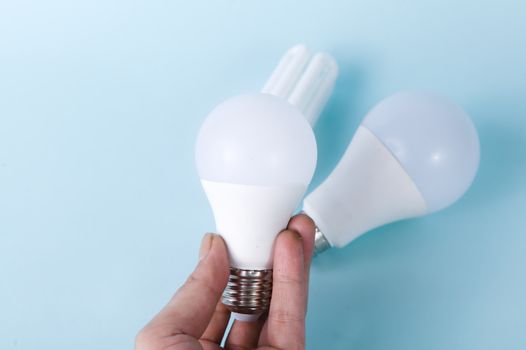
LEDs (Light Emitting Diodes) are currently the most energy-efficient and versatile artificial light source available. They boast a lifespan of up to 50,000 hours and use around 75% less energy than traditional incandescent bulbs. LEDs are also available in a vast array of color temperatures and can be dimmed or color-tuned for specific moods or functions.
Incandescent bulbs, although being phased out in many countries, are still found in older fixtures. They emit a warm, cozy light (typically 2700K), but are very inefficient—only about 5% of the energy they consume becomes visible light.
Compact Fluorescents (CFLs) and Halogens are other common sources. CFLs are more efficient than incandescents but contain mercury, while halogens are a type of incandescent that burn brighter but still waste significant energy as heat.
Natural light, of course, varies throughout the day and is the gold standard for color rendering. It should be considered in any lighting design, both for its visual and psychological benefits.
| Light Source | Color Temperature Range | Average Lifespan (hours) | Energy Efficiency | Color Rendering Index (CRI) |
|---|---|---|---|---|
| LED | 2200K – 6500K | 25,000 – 50,000 | Very high (up to 110 lm/W) | 80 – 98 |
| Incandescent | 2700K – 3000K | 1,000 – 2,000 | Low (10 – 17 lm/W) | 95 – 100 |
| Halogen | 2700K – 3200K | 2,000 – 4,000 | Moderate (16 – 24 lm/W) | 95 – 100 |
| CFL | 2700K – 6500K | 8,000 – 15,000 | High (35 – 60 lm/W) | 80 – 90 |
| Natural Light | 5000K – 6500K (midday) | N/A | Best | 100 |
Color Temperature: The Key to Harmonious Lighting
When combining LED lighting with other sources, color temperature is perhaps the most crucial factor. Color temperature, measured in Kelvins (K), describes the “warmth” or “coolness” of light. Warm light (2200K–3000K) has a yellowish glow, while cool light (4000K–6500K) appears more blue-white.
Mismatched color temperatures can make a space feel visually jarring or uncomfortable. For example, pairing a cool-white LED (5000K) with a warm incandescent (2700K) in the same room can create an unsettling or “patchy” look.
Tips for matching color temperature: - Identify the predominant light source and match new LEDs accordingly. If your living room is mainly lit by warm incandescent or halogen bulbs, select warm-white LEDs (2700K–3000K). - Use LEDs with adjustable color temperature (often called “tunable white” or “CCT adjustable”) in multipurpose rooms. These allow you to fine-tune light color as needed. - In spaces with generous daylight, choose LEDs in the 4000K–5000K range to blend seamlessly with sunlight, especially in kitchens, bathrooms, or offices.Leading lighting designers recommend keeping color temperature within 500K across all sources in a room for the most cohesive effect.
Layering Light: Combining Ambient, Task, and Accent Sources
Interior lighting should never rely on a single source. Instead, successful designs use a mix of ambient, task, and accent lighting—often combining LED fixtures with others to create the perfect balance.
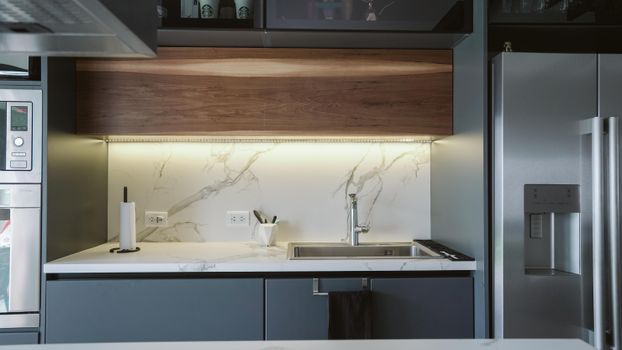
- Ambient Lighting: This is your general, background illumination. Recessed LED downlights, LED ceiling panels, or traditional ceiling pendants with LED bulbs can be paired with natural light from windows, or with CFLs in large fixtures. - Task Lighting: These are focused lights for activities like reading, cooking, or working. Desk lamps might use halogen bulbs for their superior color rendering, while under-cabinet LED strips in the kitchen ensure bright, shadow-free workspaces. - Accent Lighting: Used to highlight artwork, architectural features, or create mood. Flexible LED strips, spotlights, or even colored RGB LEDs are popular, but you might also use halogen spotlights for highly accurate color rendering in galleries.By mixing different technologies, you can capitalize on the strengths of each. For example, pairing the efficiency and flexibility of LEDs with the color rendering of halogen for art, or blending natural light with LEDs to keep energy costs low without sacrificing ambiance.
Brightness and Dimming: Balancing Light Output
When layering different types of light, getting the brightness right is just as important as matching color temperature. Light output is measured in lumens. LEDs typically produce more lumens per watt than other sources, so an LED bulb might appear much brighter than an incandescent with the same wattage.
Here’s how to ensure everything works together:
- Compare by lumens, not watts. For example, a 10-watt LED produces about the same light as a 60-watt incandescent (approximately 800 lumens). - Use dimmers, ideally compatible with both LED and legacy bulb types. Modern smart dimmers often allow you to control multiple sources at once, adapting to different activities or times of day. - Avoid over-lighting. Mixing too many high-output sources can create glare and discomfort. Spaces like bedrooms and living rooms benefit from lower, layered lighting, while kitchens or home offices require higher, focused brightness.A 2022 Houzz survey found that 74% of homeowners installing new lighting prefer dimmable LED fixtures, showing the growing demand for flexible, adjustable environments.
Design Strategies for Mixing LEDs and Other Lights
Blending LEDs with other sources isn’t just technical—it’s creative. Here are some expert strategies for visually stunning and functional results:
1. $1: Use different sources to define areas within open-plan spaces. For example, pendant LEDs over a dining table, halogen task lights in a reading nook, and wall-mounted sconces with incandescent bulbs for general ambiance. 2. $1: Halogens excel at rendering true colors in wood, textiles, and art, making them ideal for accent lighting, while LEDs can be used for indirect washes on walls or ceilings. 3. $1: If your hallway uses cool-white LEDs but your living room is lit with warm bulbs, use fixtures in the transition area with a mid-range color temperature (around 3500K) to create a gentle gradient. 4. $1: Integrate all light sources, including legacy bulbs, into smart home systems. This allows you to program scenes—like “Movie Night” or “Morning Routine”—that balance LEDs, halogens, and even motorized shades for daylight.Remember, the goal is not to make every light source identical, but to create a visually cohesive, comfortable, and adaptable environment tailored to each room’s purpose.
Energy Efficiency and Sustainability Considerations
One major reason for incorporating LEDs is their outstanding efficiency. According to the U.S. Department of Energy, widespread use of LED lighting in the U.S. has the potential to save about 348 terawatt-hours of electricity by 2027—an equivalent of $30 billion in savings at today’s electricity prices.
When combining LEDs with other sources: - Prioritize LED for fixtures used most often (such as ceiling lights or kitchen task lighting) to maximize energy and cost savings. - Gradually replace inefficient bulbs in legacy fixtures with compatible LED retrofits. - Use sensors and timers to coordinate artificial lighting with available daylight, further reducing electricity consumption.For heritage lighting or where color fidelity is critical, it’s still possible to use halogen or incandescent sources sparingly, but prioritize LEDs wherever possible to benefit the environment and your wallet.
Bringing It All Together: Achieving Lighting Harmony
Properly combining LED lighting with other light sources isn’t just a technical challenge—it’s an opportunity to enhance every aspect of your home or workspace. By understanding the science of different technologies, matching color temperatures, layering light for function and mood, and maximizing efficiency, you can achieve a space that’s both beautiful and practical.
As LEDs become increasingly sophisticated—offering better color rendering, flexible controls, and endless shapes—your options for creative, harmonious lighting only expand. Start with a plan, consider how each room is used, and don’t be afraid to experiment with combinations until you find the perfect balance.