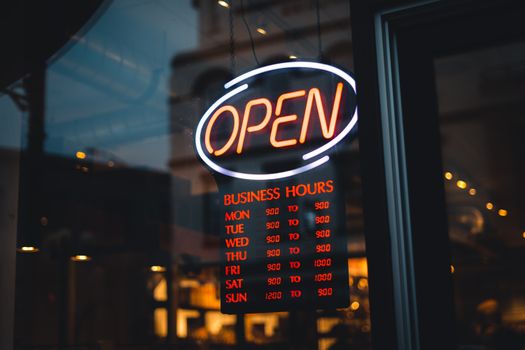
The Power of LED Lighting in Commercial Spaces: Strategies for Attracting Customers to Stores and Restaurants
The retail and hospitality industries face an ongoing challenge: how to create environments that not only welcome and delight customers but also motivate them to stay, browse, dine, and ultimately spend. While product selection, service quality, and branding all play crucial roles, the physical atmosphere of a store or restaurant can make or break the customer experience. One of the most influential yet often underutilized tools for shaping that atmosphere is LED lighting.
Over the past decade, LED lighting has transformed from a simple energy-saving option into a flexible design solution with the power to define the character of commercial spaces. But how, exactly, can stores and restaurants leverage LED lighting to increase their attractiveness—and, by extension, their profits? Let’s explore the science, strategy, and creativity behind using LED lighting to turn commercial spaces into customer magnets.
The Psychology of Light: Why LED Lighting Impacts Customer Behavior
Light isn’t just about visibility—it’s a key emotional driver. Numerous studies have shown that lighting affects mood, perception, and even buying behavior. According to a 2022 report by the Lighting Research Center, well-designed lighting can increase retail sales by up to 12%. In restaurants, the right lighting is known to enhance perceived food quality, extend dwell time, and boost overall satisfaction.
LED lighting stands out because it offers unparalleled control over brightness, color temperature, and color rendering. These features allow business owners to tailor the environment to encourage specific customer responses:
- Warm lighting (2700K-3000K) creates a cozy, inviting atmosphere, ideal for restaurants and boutique shops. - Cool lighting (4000K-5000K) fosters alertness and clarity, making it suitable for grocery stores or tech retailers. - Adjustable color temperature encourages versatility—think brunch cafes that shift from daylight-bright in the morning to golden-hour warmth at night.Case in point: A study by Philips Lighting found that switching to dynamic LED lighting increased foot traffic in retail stores by 19% compared to those using static lighting.
Designing for Attraction: LED Lighting Strategies for Stores
The competitive retail landscape demands that stores stand out both inside and out. LED lighting offers creative and practical advantages that can’t be matched by traditional lighting technologies.
1. Window Displays That Pop First impressions count. Stores that use LED spotlights and programmable color-changing strips in their window displays report up to 23% more passersby stopping to look, according to a 2021 Retail Lighting Trends survey. Flexible LED strips can accentuate products, create movement, or be synchronized with marketing campaigns. 2. Illuminated Product Zones Highlighting feature products with focused LED downlights or track lights draws attention and subtly guides customer flow. LEDs’ excellent color rendering index (CRI) of 80-98 ensures that merchandise looks true-to-life and appealing—vital for clothing retailers, jewelers, and electronics stores. 3. Interactive and Smart Lighting Smart LED systems can change color or intensity based on time of day, special events, or even customer interaction. For example, some major apparel chains use motion sensors that trigger lighting effects when customers approach specific displays—creating a sense of theater and exclusivity. 4. Energy Efficiency Means More Design Freedom Switching to LEDs can reduce lighting energy costs by up to 75% compared to halogen or incandescent bulbs (U.S. Department of Energy, 2023). These savings can be reinvested in more elaborate design schemes, seasonal updates, or interactive features.LED Lighting in Restaurants: Setting the Scene for Memorable Dining
A restaurant’s lighting shapes not only its look but also its entire dining experience. LED lighting systems offer advantages that go far beyond efficiency for foodservice environments.
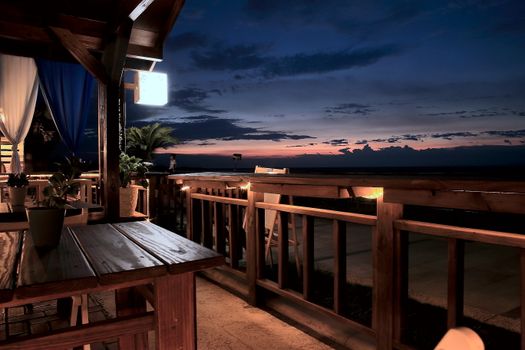
1. Mood and Ambiance Control From romantic dinners to lively brunches, restaurants must adapt their atmosphere to different times and clientele. LED dimmers and tunable white fixtures make this easy, allowing staff to instantly shift from bright, energizing daytime settings to soft, intimate evening glows. 2. Highlighting Food and Decor High-CRI LED lights (CRI 90+) make food look more appetizing, enhancing the colors of fresh produce, desserts, and drinks. Accent lighting can also spotlight art, architectural features, or signature décor elements, reinforcing the restaurant’s brand identity. 3. Seamless Integration with Technology LED lighting can be integrated with smart controls, music, and even reservation systems. Imagine lighting that dims automatically as the dinner rush tapers off, or color accents that change for special events and holidays—all programmable via a smartphone or tablet. 4. Outdoor Appeal For restaurants with patios or terraces, weatherproof LED fixtures and string lights create magical outdoor spaces that attract diners, especially in the evenings. According to the National Restaurant Association, restaurants with well-lit outdoor seating see up to 30% higher table turnover during warmer months.Comparing LED Lighting to Traditional Lighting in Commercial Spaces
To understand why LED lighting is such a game-changer, let’s look at how it stacks up against other common lighting technologies.
| Feature | LED Lighting | Halogen | Fluorescent | Incandescent |
|---|---|---|---|---|
| Average Lifespan (hours) | 25,000 - 50,000 | 2,000 - 4,000 | 7,000 - 15,000 | 1,200 |
| Energy Use (watts, comparable brightness) | 10-15 | 35-50 | 15-32 | 60 |
| Color Rendering Index (CRI) | 80-98 | 95-100 | 70-90 | 95-100 |
| Dimmability | Excellent | Good | Limited | Good |
| Environmental Impact | No mercury, recyclable | No mercury | Contains mercury | No mercury |
| Initial Cost | Higher | Medium | Low | Low |
| Total Cost Over 5 Years (per fixture) | $50-$70 | $80-$120 | $60-$90 | $100-$150 |
This data shows that LED lighting outperforms traditional options on nearly every metric crucial to commercial success, from energy bills to maintenance costs to creative flexibility.
Branding and Identity: Using LED Lighting to Tell Your Story
Modern customers seek memorable experiences and unique identities in the places they visit. LED lighting is a powerful storytelling tool that can reinforce a brand’s values and aesthetic.
- Color Psychology: Bold LED accent colors can evoke specific emotions or reinforce brand colors. For example, a health food store might use fresh green and white hues, while a luxury boutique could employ gold and deep blue highlights. - Themed Lighting Installations: Some retailers and restaurants commission custom LED sculptures, interactive wall panels, or animated ceiling fixtures as signature visual elements. - Seasonal Flexibility: LED systems make it easy to re-theme a space for holidays or special promotions without major rewiring—just a quick change via remote control or app.A 2023 survey by Retail Dive found that 67% of shoppers are more likely to remember and recommend stores with unique or immersive lighting features.
Practical Considerations: Implementing LED Lighting Solutions
While the benefits of LED lighting are clear, successful implementation requires careful planning. Here’s what stores and restaurants should consider:
1. Work with Lighting Designers Professional lighting designers can help translate brand goals and customer needs into effective lighting plans, ensuring that each area supports the intended activity and atmosphere. 2. Beware of Over-Illumination Too much light can be as off-putting as too little. LED systems with adjustable brightness and zoning help fine-tune the experience for comfort and visual appeal. 3. Maintenance and Upgrades With lifespans of up to 50,000 hours, LEDs require far less maintenance than traditional bulbs. However, regular cleaning of fixtures and occasional reprogramming of smart controls will ensure performance remains optimal. 4. Compliance and Energy Codes Many jurisdictions now require new and renovated commercial spaces to meet strict energy efficiency standards—LED lighting typically exceeds these requirements, making it easier to comply.Final Thoughts: The Competitive Edge of LED Lighting in Commercial Spaces
In the fast-evolving world of retail and hospitality, every detail matters—and LED lighting is no longer just a background player. When thoughtfully designed and implemented, LED systems offer unmatched flexibility, efficiency, and creative possibility. They help stores and restaurants stand out, create memorable experiences, and ultimately drive revenue by attracting and delighting customers.
For businesses aiming to future-proof their spaces and stay ahead of the competition, investing in LED lighting is not just a smart choice—it’s a strategic imperative.