LED Lighting vs Traditional Lighting: A Comparative Study
The world of lighting has undergone a dramatic transformation over the past two decades. Once dominated by incandescent bulbs and fluorescent tubes, the market has shifted rapidly toward LED (Light Emitting Diode) technology. But what are the real differences between LED lighting and traditional lighting options? How do they stack up in terms of efficiency, cost, longevity, and environmental impact? This comparative study delves deep into the facts and figures, highlighting where each technology stands and what it means for homes, businesses, and the planet.
The Science Behind LED and Traditional Lighting Explained
To truly appreciate the differences, it's important to understand how each lighting technology works.
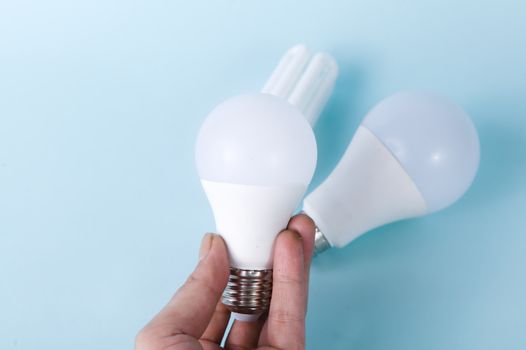
Traditional lighting typically refers to incandescent bulbs, halogen lamps, and compact fluorescent lamps (CFLs). Incandescent bulbs generate light by heating a tungsten filament until it glows, a process that wastes a significant portion of energy as heat. Halogen lamps are a type of incandescent bulb that use halogen gas to increase efficiency and lifespan, but the core technology remains similar. CFLs, on the other hand, use electricity to excite mercury vapor, which produces ultraviolet light that is then converted to visible light by a phosphor coating.
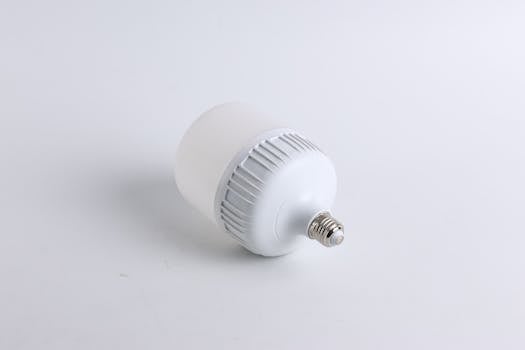
LEDs are a completely different breed. Instead of producing light through heat or chemical reactions, LEDs use semiconductors that emit light when an electric current passes through them. This process, called electroluminescence, is far more efficient and generates much less heat.
The difference in technology leads directly to differences in performance, energy consumption, and cost-effectiveness. For example, a standard 60-watt incandescent bulb produces about 800 lumens of light, while an LED bulb can achieve the same brightness using only 8-10 watts. This fundamental efficiency is at the heart of the LED revolution.
Energy Efficiency: Numbers Don’t Lie
One of the most significant advantages of LED lighting is its energy efficiency. According to the U.S. Department of Energy, LED bulbs use at least 75% less energy than incandescent lighting and last up to 25 times longer. In comparison, CFLs use about 70% less energy than incandescents but still fall short of LEDs.
Consider the following real-world example: Replacing a traditional 60-watt incandescent bulb with a 10-watt LED saves 50 watts every hour the light is on. If the light runs for 5 hours a day, that’s a savings of 250 watt-hours per day, or about 91.25 kilowatt-hours (kWh) per year. At an average electricity rate of $0.16 per kWh in the United States (as of late 2023), that single bulb swap saves approximately $14.60 annually.
When scaled to an entire household or a commercial building with hundreds of bulbs, the savings become substantial. According to the International Energy Agency, widespread adoption of LED lighting globally could reduce electricity consumption for lighting by up to 50% by 2030.
Lifespan and Maintenance: A Clear Winner Emerges
The lifespan of a lighting product directly impacts both its economic and environmental cost. Traditional incandescent bulbs typically last about 1,000 hours. CFLs perform better, with lifespans ranging from 8,000 to 10,000 hours. LEDs, meanwhile, can last anywhere from 25,000 up to 50,000 hours, depending on the quality and usage.
This dramatic difference leads to fewer replacements, reducing both maintenance costs and the environmental impact associated with manufacturing and disposing of bulbs. For instance, over a 10-year period (assuming 5 hours of daily use), one LED bulb would need to be replaced once, while an incandescent bulb would require about 18 replacements during the same span.
Here’s a side-by-side comparison for clarity:
| Type | Average Lifespan (hours) | Replacements over 10 years (5h/day) |
|---|---|---|
| Incandescent | 1,000 | 18 |
| CFL | 8,000 | 2 |
| LED | 25,000 | 1 |
The reduced need for replacements is especially significant in commercial and industrial settings, where the cost of labor for replacing bulbs can be substantial.
Cost Analysis: Upfront vs Long-Term Savings
One of the most common concerns about LED lighting is the higher upfront cost compared to traditional bulbs. While it’s true that a single LED bulb might cost $3–$6, a comparable incandescent bulb costs just $1, and a CFL about $2. However, focusing solely on initial price overlooks the total cost of ownership.
Let’s break down the costs for a single bulb over a 10-year period (using average U.S. rates and prices):
- Incandescent: $1 initial cost x 18 replacements = $18. Add $146 for electricity (based on 60W for 5h/day at $0.16/kWh) for a total of $164. - CFL: $2 initial cost x 2 replacements = $4. Add $35 for electricity (13W for 5h/day) for a total of $39. - LED: $5 initial cost x 1 replacement = $5. Add $27 for electricity (10W for 5h/day) for a total of $32.This math reveals that, despite the higher purchase price, LEDs provide the lowest total cost over time. Multiply this by dozens or hundreds of bulbs in a home or business, and the savings are substantial.
Light Quality and Versatility: Meeting Modern Needs
Beyond cost and efficiency, the quality of light is a major consideration. In the past, many consumers complained that early LED bulbs produced harsh, cold light. Today, however, LED technology has advanced significantly, offering a wide range of color temperatures (measured in Kelvins) and excellent color rendering.
Incandescent bulbs are known for their warm, inviting glow (around 2,700K) and high color rendering index (CRI). CFLs can sometimes produce a less desirable, green-tinted light and often take time to reach full brightness. Modern LEDs, however, are available in a full spectrum—from warm white (2,700K) to daylight (5,000K and above)—and many models boast a CRI above 80, with premium options exceeding 90.
LEDs also offer unique features such as dimming, smart controls, and color-changing capabilities. For example, smart LED bulbs can be controlled via smartphone apps, integrated with home automation systems, or programmed to adjust brightness and color throughout the day.
Environmental Impact: Sustainability Beyond Energy Savings
While energy efficiency is the most talked-about benefit of LEDs, their environmental advantages extend further. Incandescent bulbs waste up to 90% of their energy as heat, contributing unnecessarily to both energy demand and cooling costs. CFLs contain small amounts of mercury, a toxic heavy metal that complicates disposal and poses environmental risks if bulbs break.
LEDs contain no hazardous materials, are fully recyclable, and their long lifespan means fewer bulbs end up in landfills. According to the United Nations Environment Programme, if every American home replaced just one incandescent bulb with an LED, it would prevent greenhouse gas emissions equivalent to removing 800,000 cars from the road annually.
Moreover, because LEDs operate at lower temperatures, they contribute less to building heat loads, which can translate to additional energy savings in climate-controlled environments.
Making the Switch: Practical Considerations for Consumers
Switching from traditional lighting to LEDs is more straightforward than ever. Most LED bulbs are designed to fit standard sockets, making them direct replacements for incandescents and CFLs. Consumers should look for the ENERGY STAR label, which certifies that a bulb meets stringent efficiency and performance criteria.
Key factors to consider when purchasing LEDs include:
- $1 Choose warm (2,700K–3,000K) for living spaces, or cool/daylight (4,000K–5,000K) for task-oriented areas. - $1 Focus on the lumens rating to ensure comparable brightness to your old bulbs. - $1 Not all LEDs are dimmable; check the packaging. - $1 Some older dimmer switches may not work with LED bulbs, requiring an upgrade.With LED prices continuing to fall and performance improving each year, there’s little reason to stick with outdated lighting technologies.
Final Thoughts on LED Lighting vs Traditional Lighting
The evidence is overwhelming: LED lighting outperforms traditional lighting options in nearly every category that matters—energy savings, lifespan, cost-effectiveness, light quality, and environmental impact. While the initial investment may be higher, the long-term benefits for both your wallet and the planet are clear.
Traditional lighting technologies, though historically important, are rapidly becoming obsolete in the face of LED innovation. As governments and organizations worldwide push for greater energy efficiency and sustainability, LEDs are poised to become the universal standard.
Whether you’re upgrading a single room or overhauling an entire building, making the switch to LED lighting is a smart choice with proven results—one that pays off in both the short and long term.