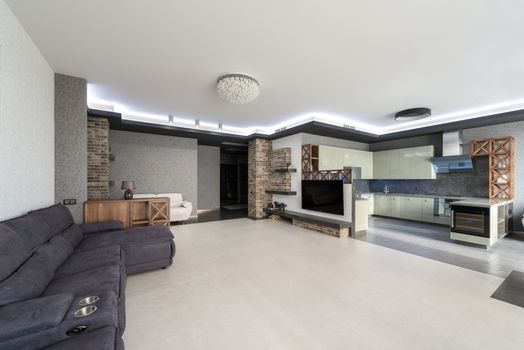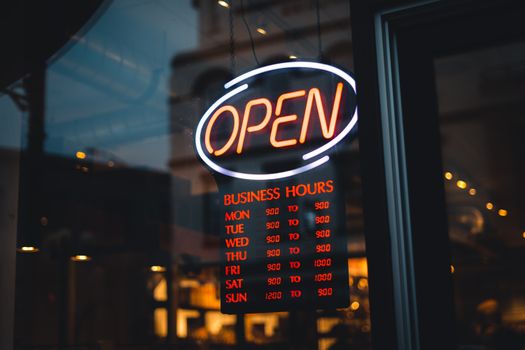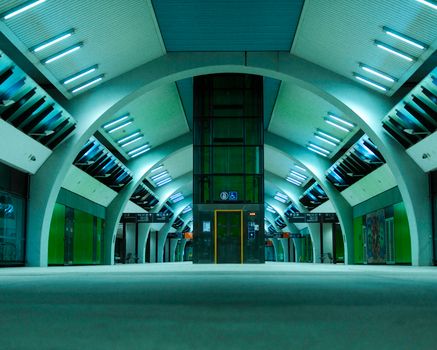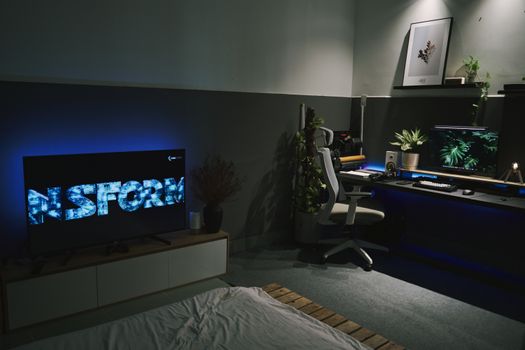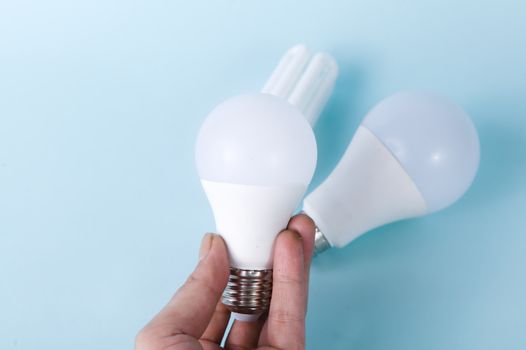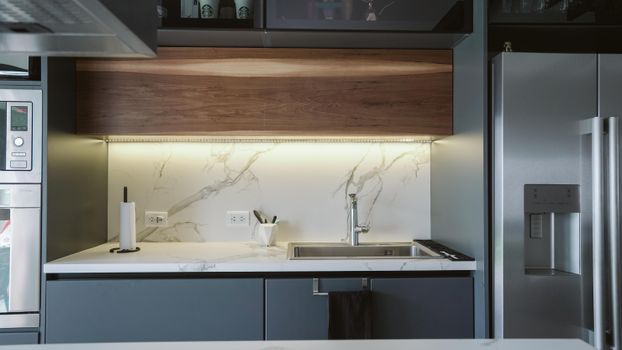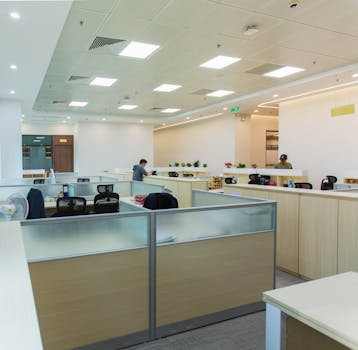
Selecting the right LED lighting for commercial spaces is more than just picking bulbs off the shelf. Each type of business—from bustling retail stores to quiet office suites—has unique lighting needs that influence everything from employee productivity to customer satisfaction and even energy costs. With LED technology now accounting for over 60% of the global lighting market, understanding how to tailor your choices is critical for both ambiance and operational efficiency. This guide will walk you through the essential considerations for choosing LED lighting in specific types of commercial environments, helping you make informed decisions that support your goals and bottom line.
Understanding the Key Factors in Commercial LED Lighting
Before diving into the specifics for different spaces, it’s important to grasp the main factors that affect LED lighting choices in commercial settings:
1. Light Output (Lumens): Unlike traditional watts, lumens measure the actual brightness. For instance, offices typically need 300–500 lumens per square meter, while warehouses might require over 1000 lumens per square meter for safety. 2. Color Temperature: Measured in Kelvins (K), this determines the mood and function of a space. Cooler temperatures (4000K–6500K) promote alertness and visibility, while warmer tones (2700K–3500K) create a relaxed atmosphere. 3. Color Rendering Index (CRI): A higher CRI (80+) ensures colors appear true under the light, crucial for retail and hospitality. 4. Energy Efficiency: LEDs can reduce energy use by up to 70% compared to fluorescent or incandescent lighting. 5. Controls and Smart Features: Dimming, motion sensors, and daylight harvesting can further enhance efficiency and adaptability. 6. Compliance and Safety: Many sectors require adherence to local codes, including emergency lighting and health standards.LED Lighting Strategies for Offices and Workspaces
Modern offices go beyond simple overhead lighting. The right LED solution can improve productivity, reduce eye strain, and even support employee well-being.
- Task Lighting vs. Ambient Lighting: Combine general illumination (ambient) with focused task lighting at desks. Adjustable LED desk lamps with color temperature control help workers customize their environment. - Flicker-Free Technology: High-quality LEDs minimize flicker, which studies show can reduce headaches and increase comfort. - Circadian Rhythm Support: Tunable white LEDs can mimic natural daylight patterns. Some companies report a 12% increase in employee productivity after upgrading to circadian-supportive lighting. - Energy Management: Offices often benefit from occupancy sensors and daylight harvesting—automatically dimming lights when sunlight is sufficient.LED Solutions for Retail: Enhancing Customer Experience and Sales
Retail lighting does more than illuminate products; it influences shopper behavior and sales.
- Color Temperature and CRI: Fashion retailers may use 3500K–4000K lighting with a CRI of 90+ to render colors accurately—a must for clothing and cosmetics. - Layered Lighting: Combine spotlights, accent lights, and ambient LEDs to highlight displays and create an inviting atmosphere. For example, a study by the Lighting Research Center found that accent lighting on feature displays can boost product sales by up to 12%. - Energy Considerations: Retail stores often have long operating hours. Switching to LEDs can cut lighting costs by 40–60% annually. - Flexibility: Track lighting with adjustable LED heads allows for quick reconfiguration of displays, essential for seasonal changes or promotions.Optimal LED Lighting for Warehouses and Industrial Facilities
Warehouses and industrial spaces demand powerful, reliable lighting for safety and productivity.
- High Bay Fixtures: These provide intense, uniform light from ceilings up to 30 meters high. Modern LED high bays deliver over 20,000 lumens per fixture. - Motion Sensors: Installing LED fixtures with integrated sensors can save up to 80% on lighting energy in low-traffic areas. - Durability: Look for LEDs rated IP65 or higher for dust and moisture resistance, and fixtures with shatterproof lenses. - Emergency Lighting: Compliance with OSHA and local codes often requires reliable emergency and exit LED lighting.LED Lighting for Hospitality and Restaurants: Creating Ambiance
Lighting in hospitality settings is about atmosphere as much as visibility.
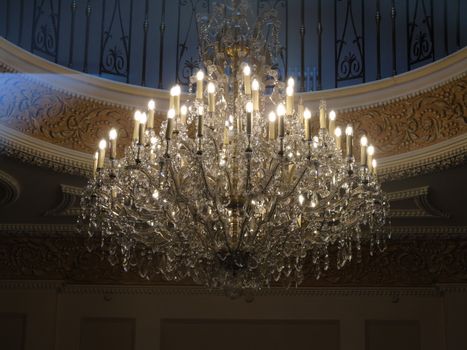
- Warm Color Temperatures: Restaurants and hotels often use 2700K–3000K LEDs to create a cozy, inviting feel. - Dimmable Solutions: Dimming is crucial for adjusting mood from daytime brightness to intimate evening settings. - Decorative Fixtures: LED technology now powers chandeliers, pendant lights, and even table lamps, offering both style and efficiency. - Energy and Maintenance: LEDs last up to 50,000 hours, reducing replacement costs—a vital benefit for hotels operating 24/7.Comparing LED Lighting Requirements Across Commercial Spaces
To help visualize the distinct needs of each commercial space, here’s a comparative overview:
| Commercial Space | Recommended Lumens/Sq. Meter | Color Temperature (Kelvin) | Minimum CRI | Special Considerations |
|---|---|---|---|---|
| Office | 300–500 | 3500K–5000K | 80 | Task lighting, flicker-free, circadian support |
| Retail | 500–800 | 3000K–4000K | 90 | Accent lighting, high CRI for color accuracy |
| Warehouse/Industrial | 1000+ | 4000K–6500K | 80 | High bay, motion sensors, IP65+ durability |
| Hospitality/Restaurants | 200–400 | 2700K–3000K | 80 | Dimmable, decorative, ambiance focus |
Sustainability and Cost Savings with Commercial LED Upgrades
LEDs are not just about quality light—they’re also a cornerstone of sustainable business operations. According to the U.S. Department of Energy, commercial buildings that switch to LEDs can reduce their lighting electricity use by 50–70%. This translates to substantial cost savings; for example, a 50,000-square-foot office could save over $12,000 annually just by upgrading to LED fixtures.
Further, LEDs significantly reduce maintenance. With lifespans often exceeding 50,000 hours—over five years of continuous use—businesses spend less on replacement and labor. Many regions also offer rebates and incentives for commercial LED upgrades, making the initial investment more attractive.
How to Plan Your Commercial LED Lighting Project
A systematic approach ensures your new lighting meets all needs:
1. Conduct a Lighting Audit: Measure current light levels, energy use, and identify problem areas. 2. Consult Professionals: Lighting designers or electrical engineers can help design a layout that meets both regulatory and functional requirements. 3. Choose the Right Fixtures: Select LEDs that match your lumen, color temperature, and CRI needs. Look for certifications like DLC (DesignLights Consortium) for energy efficiency. 4. Plan for Controls: Integrate smart controls for added flexibility and savings. 5. Implement and Monitor: After installation, monitor energy use and employee/customer feedback. Adjust settings as needed for optimal performance.Final Thoughts on Selecting LED Lighting for Commercial Spaces
The right LED lighting transforms commercial spaces—boosting productivity in offices, driving sales in retail stores, improving safety in warehouses, and elevating the guest experience in hospitality settings. By understanding the specific needs of each environment and leveraging the latest in LED technology, businesses can achieve outstanding results while saving money and supporting sustainability goals. Remember: one size does not fit all. Tailor your lighting choices to the tasks, users, and aesthetics of your space, and you’ll see the difference in both your bottom line and daily operations.