How LED Lighting Shapes Child Development and Wellbeing
When designing a child’s room, parents often focus on furniture, colors, and storage. Yet, the lighting you choose can have a profound impact—not just on safety and style, but also on your child’s development, sleep, and daily routines. In recent years, LED lighting has revolutionized the way we illuminate children’s spaces, offering new ways to support learning, creativity, and healthy sleep cycles. This article explores how strategic LED lighting choices can nurture your child’s wellbeing, enhance their creativity, and even influence their mood and cognitive growth.
The Science: How Lighting Affects Children’s Growth and Mood
Light isn’t just about visibility; it’s a powerful environmental factor that shapes our biological rhythms and emotions. For children, appropriate lighting is crucial for:
- Regulating circadian rhythms: Exposure to the right type of light at the right time supports healthy sleep and wake cycles. - Supporting learning and focus: Bright, well-directed light can boost concentration and memory retention. - Fostering creativity: Dynamic and colorful lighting can inspire play and imaginative thinking.A 2022 study published in the journal “Sleep Medicine Reviews” found that children exposed to high levels of blue light in the evening fell asleep up to 30 minutes later on average than those with warmer light sources. Additionally, research from the Lighting Research Center at Rensselaer Polytechnic Institute shows that children’s eyes are more sensitive to light than adults’, making thoughtful lighting design even more important in their spaces.
Zone-Based LED Lighting: Creating Spaces for Play, Study, and Rest
Children’s rooms are multifunctional spaces—serving as bedrooms, playrooms, and sometimes classrooms. The key to supporting each activity lies in “zoning” your lighting:
1. $1: Use high-CRI (Color Rendering Index) LED desk lamps with a color temperature of 4000K–5000K to mimic daylight. This helps maintain alertness and accurate color perception for reading, drawing, and homework. Look for CRI ratings above 80 for true-to-life colors, which is especially important for art and craft activities. 2. $1: Install adjustable or RGB (red-green-blue) LED strip lights that allow for color changes. Studies suggest that exposure to a range of colors can stimulate creative thinking and problem-solving in young children. Flexible LED strips can be placed under shelves, along walls, or around play tents to create immersive environments—turning a simple corner into a spaceship or jungle. 3. $1: For the sleeping area, select LED fixtures with a warm color temperature (2200K–2700K) and low blue light emission. Warm, dimmable LEDs help cue the body for sleep by mimicking sunset tones. Consider nightlights with motion sensors to minimize sleep disruption.Smart LED Lighting: Empowering Kids’ Independence and Engagement
Smart LED lighting systems are more than a tech trend—they can foster independence and self-regulation in children. Some practical examples include:
- $1: Systems compatible with Alexa or Google Home let kids change colors, dim lights, or turn them on and off—all with simple voice commands. - $1: Parents can set lights to gradually brighten in the morning, simulating a sunrise and encouraging healthy wake-up habits, or to dim in the evening, signaling wind-down time. - $1: Brands like Philips Hue and Govee offer child-friendly apps that let kids choose colors, create light shows, or set “reading mode” with a single tap, turning lighting into part of the play.According to a 2023 survey by Statista, 27% of U.S. households with children now use some form of smart lighting, up from 15% in 2019, reflecting growing trust in these devices for family homes.
Reducing Eye Strain and Screen Glare: LEDs for the Digital Generation
Children today spend more time than ever on screens—for learning, entertainment, and connecting with friends. Poor lighting can worsen screen glare, eye strain, and headaches. Here’s how to use LEDs to mitigate these issues:
- $1: Use wall sconces, uplighting, or LED panels that diffuse light evenly, rather than harsh overhead bulbs. This reduces sharp contrasts and glare on screens. - $1: Position LED desk lamps so the light falls over the work area but doesn’t reflect directly off tablets or computer screens. - $1: Not all LEDs are created equal. Choose products labeled as “flicker-free” or “low flicker”—as unseen flickering can contribute to eye fatigue, especially for children sensitive to visual stimuli.A 2021 report by the American Optometric Association found that 60% of children experience symptoms of digital eye strain, but optimizing room lighting can reduce these symptoms by up to 30%.
Personalization and Themed LED Installations: Making Lighting Part of the Decor
Beyond function, LED lighting opens up exciting possibilities for personalization and themed design. Some trending ideas include:
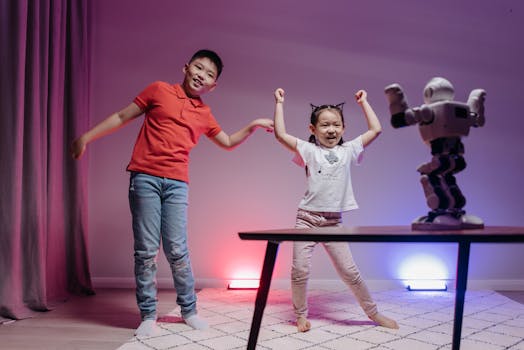
- $1: Custom LED name signs, available in various fonts and colors, make a child’s room truly their own. - $1: From clouds and moons to dinosaurs and butterflies, themed LED fixtures double as wall art. - $1: RGB LED strips under beds or shelves create a magical floating effect, ideal for imaginative play. - $1: Kits that let children arrange and stick modular LED panels (like Nanoleaf or Helios Touch) allow them to change patterns and colors as they grow.These creative touches not only delight children but also give them a sense of ownership over their environment—an important factor in building confidence and independence.
Comparison: LED Lighting Features for Children’s Rooms
| Feature | Benefit | Example Product | Price Range |
|---|---|---|---|
| High-CRI Desk Lamp | True-to-life color for art and study | BenQ e-Reading Lamp | $80–$120 |
| RGB LED Strip Lights | Customizable colors for play zones | Govee RGB Strip Lights | $20–$40 |
| Smart Night Light with Motion Sensor | Low blue light, automatic activation | VAVA Home Night Light | $15–$30 |
| Modular Wall Panels | Creative DIY lighting and decor | Nanoleaf Shapes | $80–$200 |
| Flicker-Free LED Bulb | Reduces eye strain and headaches | Philips EyeComfort LED | $5–$10 each |
Sustainability and Long-Term Savings: LEDs as an Investment for Families
Parents are increasingly aware of the environmental impact of their choices. LED lighting is a win-win solution for both families and the planet:
- $1: LEDs use up to 80% less energy than incandescent bulbs. According to the U.S. Department of Energy, replacing just five bulbs with LEDs can save $75 per year in electricity costs. - $1: Most quality LEDs last between 15,000 and 50,000 hours—meaning a single bulb could last up to 17 years if used for eight hours a day. - $1: Fewer bulb replacements mean less landfill waste and packaging.Some brands also offer recyclable or biodegradable fixtures, adding another layer of eco-consciousness to your child’s room.
Final Thoughts: LED Lighting as a Tool for Growth and Joy
Choosing LED lighting for your child’s room is about far more than picking a safe or stylish bulb. With the right strategy, lighting becomes a tool to promote healthy sleep, nurture creativity, support learning, and empower kids to make their own choices. By focusing on zone-based design, smart features, eye health, and personal expression, you can transform lighting into one of the most impactful elements of your child’s daily life. LEDs’ efficiency and long lifespan are the icing on the cake, making them a smart investment for families and the environment alike.