Setting the perfect mood in a home theater isn’t just about the size of your screen or the clarity of your speakers—lighting plays a pivotal role in transforming a simple movie night into a true cinematic experience. Choosing the right LED lighting for your home theater is a subtle yet powerful way to enhance visuals, reduce eye strain, and create an immersive atmosphere. With LED technology now offering unprecedented flexibility, energy savings, and customization, understanding the key factors for an optimal lighting setup is more important than ever. This guide dives deep into how to select LED lighting tailored for home theaters, considering everything from placement and color temperature to control systems and smart integration.
The Impact of Lighting on Home Theater Enjoyment
Many homeowners underestimate the influence lighting has on their home theater experience. Unlike typical living spaces, a home theater requires precise control over brightness and ambiance to support the visuals onscreen. Poor lighting can wash out screen colors, cause unwanted reflections, and even lead to eye fatigue during longer viewing sessions.
A study by the American Academy of Ophthalmology found that ambient lighting can reduce eye strain by up to 60% during screen use, especially in darkened rooms. The right LED lighting not only adds to comfort but also elevates the entire viewing environment, making movies, sports, and games more enjoyable.
Essential LED Lighting Types for Home Theaters
Before purchasing, it’s crucial to understand the main LED lighting types suited for home theaters and their unique benefits:
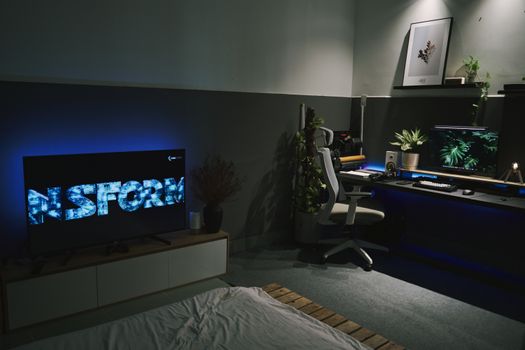
- $1: These flexible strips can be installed behind screens, along baseboards, or under seating. They provide indirect, ambient lighting that enhances the viewing experience without creating glare. - $1: Installed in ceilings, these offer focused, dimmable light that can be controlled to avoid interfering with the screen. - $1: Placed in ceiling recesses or wall moldings, cove lighting provides an even, diffuse glow that minimizes harsh shadows. - $1: Used to highlight décor, speakers, or movie memorabilia, these add a touch of drama without overpowering the room. - $1: These advanced setups allow full color customization and scene control, often integrating with home automation systems.Choosing the right combination depends on your room’s layout, screen size, and desired atmosphere. For example, LED strips placed behind the TV or projector screen can create a “bias lighting” effect, which reduces eye strain and enhances perceived contrast.
Key Factors: Color Temperature, Brightness, and Dimming Capabilities
The technical specifications of LED lighting have a direct impact on the viewing experience:
1. $1: Measured in Kelvins (K), color temperature affects the mood of your home theater. Warm white LEDs (2700K–3000K) create a cozy, inviting atmosphere, while cooler whites (4000K–5000K) can feel clinical and may detract from movie immersion. Most home theaters benefit from warm or neutral white lighting. 2. $1: Too much brightness can wash out your screen, while too little can strain your eyes. For indirect lighting, aim for 200-500 lumens per square meter. Adjustable LEDs allow you to fine-tune this to your liking and the type of content you watch. 3. $1: Essential for any home theater, dimmable LEDs let you adjust light levels based on the time of day, type of movie, or personal preference. Many systems now offer smooth dimming down to 10% brightness or less, avoiding flicker or color shifting. 4. $1: A CRI of 80 or above ensures colors in your décor and movie posters look vibrant and accurate, adding to the overall ambiance.Comparison Table: Top LED Lighting Solutions for Home Theaters
To help you choose the best lighting option for your home theater, here’s a comparison of popular LED solutions:
| LED Type | Typical Placement | Color Options | Dimmable | Approximate Price Range | Best For |
|---|---|---|---|---|---|
| LED Strip Lights | Behind screens, under seating | White, RGB, RGBW | Yes | $20–$100 per kit | Bias lighting, ambiance |
| Recessed Downlights | Ceiling | White, tunable white | Yes | $30–$100 per fixture | General illumination |
| Cove Lighting | Ceiling, wall moldings | White, RGB | Yes | $50–$200 per room | Diffuse, indirect lighting |
| Accent Spotlights | Walls, shelves | White, adjustable | Sometimes | $15–$50 each | Highlighting décor |
| Smart RGB LED Systems | Flexible | Millions of colors | Yes, via app/remote | $100–$400 per setup | Custom scenes, automation |
Smart Controls and Integration: Elevating Your Home Theater
Modern home theaters often benefit from smart lighting controls, which offer unmatched convenience and flexibility. Here’s how smart features can transform your space:
- $1: Many LED systems are compatible with apps and smart home platforms like Amazon Alexa, Google Assistant, and Apple HomeKit. This allows you to adjust brightness, color, and scenes without leaving your seat. - $1: Create custom lighting scenes for movie night, gaming, or sports events. With a single tap or voice command, instantly set the perfect ambiance. - $1: Some advanced systems, such as Philips Hue Sync, can match lighting effects to onscreen action, making explosions, color changes, or music pulses even more immersive. - $1: Program your lights to dim when a movie starts or gradually brighten when it ends, ensuring seamless transitions and minimizing disruption.Smart integration is not just about convenience—it also helps protect your investment. For example, scheduling lights to turn off when not in use extends their lifespan, which for modern LEDs can exceed 25,000 hours.
Practical Tips for the Perfect Home Theater Lighting Layout
Designing the ideal lighting layout requires careful planning. Here are proven strategies for maximizing both function and atmosphere:
- $1: Position fixtures so that no light shines directly onto the TV or projector screen, which can cause glare and reduce contrast. - $1: Combine ambient, accent, and task lighting for flexibility. For example, dimmable ceiling lights for general illumination, LED strips for ambiance, and spotlights for décor. - $1: Darker walls and ceilings absorb more light, requiring higher brightness or more fixtures. Lighter finishes reflect light and may need dimmer settings. - $1: Always choose dimmable LEDs and install either in-wall dimmers or wireless remotes for maximum control. - $1: Run extra wiring or install smart-enabled fixtures so you can easily upgrade or expand your system as technology evolves.A real-world example: In a 15’x20’ home theater with dark blue walls, a combination of four recessed dimmable LEDs (400 lumens each), an RGB LED strip behind the screen, and cove lighting produced a balanced, immersive atmosphere with no screen glare and customizable mood settings.
Why Investing in Quality LED Lighting Matters for Home Theaters
While it might be tempting to opt for the least expensive lighting solution, investing in quality LEDs pays off in multiple ways:
- $1: LEDs use up to 85% less energy compared to incandescent bulbs, translating to annual savings of $75–$200 in a typical home theater used several hours a week. - $1: With lifespans averaging 25,000–50,000 hours, quality LEDs rarely need replacement, minimizing maintenance and disruptions. - $1: Professional-grade LEDs offer better color consistency, smoother dimming, and advanced features that cheaper alternatives can’t match. - $1: Reputable brands include necessary safety certifications and warranties, ensuring your setup is both safe and hassle-free.Ultimately, the right LED lighting transforms your home theater into a true entertainment sanctuary—comfortable for your eyes, impressive for guests, and fully adaptable to your mood.