The Impact of LED Lighting on Interior Colors and Appearance: Practical Tips for Perfect Spaces
Lighting is far more than a functional necessity—it's a powerful tool for transforming the atmosphere, mood, and even the perceived color palette of any interior. With the widespread adoption of LED lighting, homeowners and designers are discovering both new opportunities and unique challenges when it comes to how light affects the way we see colors and our spaces. Understanding the science behind LED light and its practical implications can help you make smarter choices for your home or office, ensuring that your interiors always look their best.
The Science: How LED Lighting Influences Color Perception
Light is the catalyst that brings color to life. The type, quality, and color temperature of lighting dramatically influence how colors appear on your walls, furniture, and decor. Unlike traditional incandescent bulbs, LEDs come in a vast array of color temperatures and have different Color Rendering Index (CRI) values, both of which are crucial to how true-to-life your interiors will look.
Color Temperature is measured in Kelvins (K) and describes the warmth or coolness of light. Warm white LEDs (2700K–3000K) emit a yellowish glow, similar to incandescent bulbs, while cool white (4000K–5000K) and daylight (5000K–6500K) LEDs provide a more blueish, crisp light.
Color Rendering Index (CRI) is a score from 0 to 100 that rates a light's ability to reveal the true colors of objects compared to natural sunlight. Higher CRI means better color accuracy. For residential interiors, a CRI of 80+ is recommended, but premium LEDs offer CRI values of 90 and above, making colors pop more vividly and accurately.
A 2023 survey by the American Lighting Association found that 61% of homeowners noticed a significant difference in how their paint colors and artwork looked after switching to LED fixtures, underscoring the importance of understanding these factors.
Real-World Effects: How LEDs Alter Interior Colors
Switching from incandescent to LED lighting can create surprising shifts in how your interiors appear. For example, a beige wall may look warm and inviting under soft white incandescent bulbs, but appear slightly gray or washed out under a cool, bluish LED. Likewise, vibrant reds and oranges can become muted if the CRI is too low, while blues and greens may take on a sharper tone under cooler LEDs.
Paint manufacturers like Benjamin Moore and Sherwin-Williams recommend sampling paint colors under your chosen lighting before committing, as the same color can look dramatically different under various LED settings. In 2022, Sherwin-Williams reported that up to 30% of customer complaints about wall color were resolved simply by adjusting the lighting rather than repainting.
Textiles and finishes are also affected. Natural wood tones, for instance, can appear more yellow or golden under warm LEDs, but may look pale or even slightly greenish under cooler lighting.
Choosing the Right LED for Your Space: What to Look For
Navigating the world of LED lighting means paying attention to more than just brightness. Here are key factors to consider for achieving the most flattering and accurate colors in your interiors:
1. Color Temperature: For living rooms and bedrooms, warm white (2700K–3000K) is typically preferred for a cozy, relaxing ambiance. For kitchens, bathrooms, and workspaces, cooler lights (3500K–5000K) can make spaces appear cleaner and more energetic. 2. CRI Rating: Always look for LEDs with a CRI of at least 80, and preferably 90+ in art studios, dressing rooms, or anywhere color accuracy is vital. 3. Dimmability: Dimmable LEDs let you adjust intensity and, in some cases, the color temperature, allowing you to fine-tune the look and feel of your interiors throughout the day. 4. Consistency: Use the same brand and model of LED bulbs in a single space to avoid subtle color mismatches that can occur between different manufacturers.The table below summarizes how different LED attributes affect color perception in interiors:
| LED Attribute | Effect on Colors | Best Use |
|---|---|---|
| Warm White (2700K–3000K) | Enhances reds, oranges, and yellows; softens blues and greens; creates cozy ambiance | Living rooms, bedrooms |
| Cool White (4000K–5000K) | Accentuates blues, whites, and cool tones; can wash out warm colors | Kitchens, bathrooms, work areas |
| High CRI (90+) | Shows true, vibrant colors as intended | Art displays, dressing rooms, galleries |
| Dimmable LEDs | Adjusts mood and appearance of colors depending on brightness | Multi-purpose rooms, dining areas |
Practical Tips for Enhancing Your Interiors with LED Lighting
To make the most of your LED lighting and ensure your interior colors shine, consider these practical strategies:
Layer Your Lighting: Combine different sources—ambient (ceiling lights), task (desk or reading lamps), and accent lighting (spotlights on artwork or shelves). Layering allows you to highlight specific features and create depth, which enhances color perception.
Sample Before You Commit: Before painting a wall or buying a large sofa, test color swatches or fabric samples under your actual LED lights at different times of day. This simple step can prevent costly mistakes.
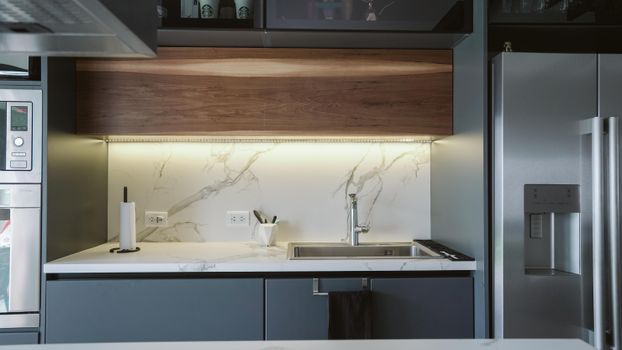
Use Accent Lighting to Highlight Colors: LED strip lights under cabinets, behind headboards, or within shelving can bring out the richness of specific colors in your decor. Choose high-CRI accent LEDs for these focal points.
Install Tunable White LEDs: Some modern LED fixtures allow you to adjust the color temperature to suit the time of day or mood. For example, you can select warm tones for evening relaxation and cool tones for daytime productivity.
Don’t Overlook Placement: The direction and height of your fixtures matter. Ceiling-mounted LEDs can cast shadows that alter the appearance of wall colors, while wall sconces or uplights can create a more uniform look.
Common Mistakes to Avoid When Using LEDs for Color Accuracy
Despite their versatility, LEDs can sometimes disappoint if not chosen or installed correctly. Here are some common pitfalls:
Mixing Color Temperatures: Using a mix of warm and cool LEDs in the same room can create an unbalanced, unnatural look, making colors clash or appear inconsistent.
Ignoring CRI: Opting for cheaper, low-CRI LEDs may save money upfront but can result in dull, inaccurate colors—especially noticeable on artwork, makeup, or food.
Neglecting Fixture Design: Some fixtures, especially recessed or frosted ones, can scatter light unevenly, leading to color shadows or hotspots. Choose designs that provide even, diffuse illumination.
Failing to Replace Old Bulbs: Mixing old and new LEDs can create subtle mismatches, as LEDs tend to fade and shift color temperature over many years of use. Replacing all bulbs in a room at once ensures consistency.
Real-World Examples: LED Lighting Transformations
Consider the case of a home office repainted in pale blue. Under cool white LEDs (5000K), the walls appeared crisp and energizing, perfect for productivity. However, when the space was used in the evenings with a warmer 2700K setting, the blue shifted to a calming lavender, helping the homeowner unwind after work.
A 2023 survey by Houzz found that 42% of homeowners who upgraded to high-CRI LEDs in their kitchens noticed that their countertops and cabinetry looked newer and more vibrant, with food appearing more appetizing as well.
In retail environments, clothing stores often use high-CRI, tunable LEDs to ensure that customers see the true color of garments, reducing return rates by up to 18%, according to a report by the Retail Lighting Consortium.
Achieving Stunning Interiors with the Right LED Lighting
LED lighting offers unmatched flexibility and energy efficiency, but its real magic lies in its power to reveal the true beauty of your interiors. By understanding the impact of color temperature, CRI, and fixture placement, you can ensure that your chosen colors and materials look their absolute best, day or night. Whether you're revamping a single room or your entire home, thoughtful LED selection is key to achieving the perfect look and feel.