LED lighting technology has advanced rapidly in the past decade, finding applications far beyond simple illumination. One of the most promising and innovative uses of LED lighting is in the fields of rehabilitation and therapy. Scientific research is uncovering how targeted use of LEDs can accelerate healing, improve outcomes for patients, and even enhance mental well-being. From helping stroke patients regain mobility to aiding wound healing and managing chronic pain, LEDs are emerging as a vital tool in modern therapeutic approaches. In this article, we’ll explore the scientific perspectives on how LED lighting aids rehabilitation and therapy, backed by research findings, clinical examples, and expert insights.
The Science Behind LED Light Therapy
To understand how LED lighting benefits rehabilitation and therapy, it’s crucial to grasp the science behind light therapy—also known as photobiomodulation. LEDs (Light Emitting Diodes) emit specific wavelengths of light, typically in the red, near-infrared (NIR), or blue spectrum. These wavelengths can penetrate the skin and underlying tissues, triggering biological responses at the cellular level.
A key mechanism involves the mitochondria, which are the energy powerhouses of cells. When exposed to certain wavelengths (especially red and NIR light), mitochondria absorb the light energy, leading to an increase in ATP (adenosine triphosphate) production. ATP is essential for cellular repair and regeneration. This process also reduces oxidative stress and inflammation, promoting faster recovery.
A 2017 review in the journal "Lasers in Medical Science" analyzed over 50 clinical studies and found that LED-based photobiomodulation significantly improved cellular repair and reduced inflammation in various therapeutic scenarios.
Applications of LED Lighting in Physical Rehabilitation
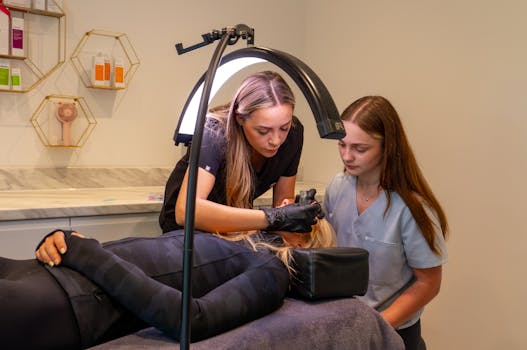
LED light therapy has become a staple in physical rehabilitation clinics worldwide. Its non-invasive nature and ability to promote healing without drugs make it especially attractive. Here’s how LED lighting is making an impact:
1. $1 Research published in the "Journal of Athletic Training" (2016) found that athletes who received red and NIR LED therapy after muscle strain recovered up to 50% faster than those who used conventional methods alone. The light penetrates deep into tissues, reducing inflammation and accelerating muscle repair. 2. $1 A 2019 randomized controlled trial on osteoarthritis patients showed that LED phototherapy reduced knee pain by 34% after four weeks of treatment, compared to a 15% reduction in the placebo group. This improvement is attributed to the anti-inflammatory effect and stimulation of local blood flow. 3. $1 Emerging research suggests LED therapy can support neuroplasticity—the brain’s ability to form new connections after injury. A study at Boston University found that post-stroke patients who received transcranial NIR LED sessions showed greater improvements in motor function and cognitive tests compared to controls.LED Lighting for Wound Healing and Skin Therapy
LEDs are also revolutionizing wound care and dermatological rehabilitation. Their gentle, non-thermal light can be safely used for extended periods, making them ideal for sensitive or chronic wounds.
- $1 Chronic wounds, such as diabetic ulcers and pressure sores, are notoriously difficult to treat. Clinical trials have demonstrated that LED light therapy can speed up healing by 30-40%. In a 2020 meta-analysis published in "Photomedicine and Laser Surgery," patients receiving LED treatment for ulcers had a significantly higher healing rate and reduced pain scores compared to standard care alone. - $1 Dermatologists use LED therapy post-surgery or after cosmetic procedures to reduce scarring and inflammation. Red and blue LEDs are particularly effective for acne, psoriasis, and eczema, with studies showing a 50% reduction in lesion size and inflammation after several weeks of treatment.Mental Health and Cognitive Benefits of LED Lighting
Beyond physical healing, LEDs are being explored for their effects on mental health and cognitive function. Light has a profound influence on our mood and mental state, and specific wavelengths can be harnessed for therapeutic benefit.
- $1 Bright light therapy, including LED devices that mimic natural sunlight, has been shown to alleviate symptoms of SAD in up to 80% of patients, according to the National Institute of Mental Health. These LEDs help regulate circadian rhythms and boost serotonin levels. - $1 In elderly care settings, exposure to blue-enriched LED light during the day has been linked to improved cognition, better sleep, and reduced agitation among dementia patients. A 2018 study in "Alzheimer’s & Dementia" found that daily LED light sessions improved memory recall and attention span by 25% in participants with mild cognitive impairment.Comparing LED Therapy to Other Light-Based Treatments
While LEDs are at the forefront of light-based rehabilitation, other technologies like lasers and ultraviolet (UV) lamps are also used. Each modality has its strengths and limitations. Here’s a comparison:
| Parameter | LED Therapy | Laser Therapy | UV Therapy |
|---|---|---|---|
| Wavelength Range | Red, NIR, Blue (400–1100 nm) | Red, NIR (600–1100 nm) | UV-A, UV-B (280–400 nm) |
| Penetration Depth | Up to 5 cm | Up to 5 cm | Shallow (mainly skin surface) |
| Thermal Effect | Minimal (non-thermal) | Can be thermal | Can cause burns |
| Safety for Home Use | High | Moderate (requires supervision) | Low (risk of skin damage) |
| Applications | Wound healing, pain relief, neurorehab | Pain, tissue repair, dental | Psoriasis, eczema, vitiligo |
| FDA Clearance | Yes (multiple devices) | Yes | Yes (restricted) |
LED therapy stands out for its safety, versatility, and ease of use, making it suitable for both clinical and at-home applications.
LED Lighting in Occupational and Speech Therapy
Rehabilitation isn’t just about physical recovery; it’s also about regaining independence and quality of life. Occupational and speech therapists are increasingly using LED lighting in their practices.
- $1 Colored LED lighting is used in therapy rooms to create calming or stimulating environments, tailored to individual needs. For example, blue light can promote focus during cognitive exercises, while warm amber light helps anxious patients relax. - $1 In vision therapy, high-intensity LED task lights help patients with macular degeneration or other visual impairments perform daily activities more effectively. LEDs can be adjusted for brightness and color temperature, reducing eye strain and enhancing contrast. - $1 Interactive LED devices, such as light-up panels and boards, are valuable tools for engaging children with speech or developmental delays. These devices provide visual feedback and motivation, making learning more effective and enjoyable.Safety, Accessibility, and Future Directions
The wide adoption of LED therapy is partially due to its impressive safety record and accessibility. Most FDA-cleared LED devices for home use are non-invasive, painless, and have minimal side effects. Common precautions include avoiding direct exposure to the eyes and consulting healthcare professionals for personalized protocols.
The global LED therapy market was valued at approximately $1.2 billion in 2022 and is projected to grow at a compound annual growth rate (CAGR) of 7.5% through 2030, according to Grand View Research. This growth reflects a rising awareness of non-drug, non-invasive therapy options.
Looking ahead, research is underway into combining LED therapy with virtual reality for immersive rehabilitation, using wearable LED devices for mobility-impaired patients, and developing AI-driven protocols for personalized treatment.
Key Takeaways: The Transformative Power of LED Lighting in Rehabilitation
LED lighting is not just revolutionizing how we illuminate spaces; it’s transforming the practice of rehabilitation and therapy. Through targeted wavelengths, LED therapy accelerates healing, reduces pain, and supports mental well-being—all backed by a growing body of scientific evidence. As technology advances and more clinical protocols are established, LED lighting will continue to play a pivotal role in improving patient outcomes across a wide range of conditions.