The Best LED Lighting for Art and Creative Activities: How to Choose the Right Lighting for Your Studio
Creating art is as much about vision as it is about technique. Whether you’re painting, drawing, sculpting, or crafting, the quality of light in your studio can profoundly influence your perception of color, contrast, and detail. Choosing the best LED lighting for art and creative activities goes far beyond simply “making it bright.” It’s about crafting the right atmosphere, ensuring color accuracy, and protecting your artwork. In this comprehensive guide, we’ll explore what makes LED lighting ideal for artists, examine the critical factors to consider, and provide expert tips to help you transform your creative space.
Why LED Lighting is Essential for Art Studios
Natural daylight has long been the gold standard for artists. However, as most studios cannot rely solely on daylight—due to weather, window placement, or working at night—artificial lighting becomes crucial. Among artificial options, LED lighting stands out for several compelling reasons:
1. Color Accuracy: Modern LED lights can replicate natural daylight, offering high Color Rendering Index (CRI) values. With CRI ratings above 90, colors appear vivid and true-to-life—critical for accurate mixing and assessment. 2. Energy Efficiency: LEDs use up to 75% less energy than incandescent bulbs and last up to 25 times longer. This efficiency not only saves on bills but also reduces heat, keeping your studio comfortable. 3. Adjustable Options: Many LEDs offer variable color temperatures and dimming features, allowing you to tailor the lighting to your medium and time of day. 4. UV-Free Illumination: Unlike some fluorescent and halogen lights, LEDs emit little to no ultraviolet radiation, protecting sensitive materials from fading and degradation.A 2023 study by the U.S. Department of Energy found that switching to LEDs in creative spaces reduced energy consumption by an average of 60% compared to traditional lighting, while enhancing overall satisfaction among artists.
Understanding Key Lighting Factors for Artists
Before diving into specific products, it’s vital to understand the core factors that make some LED lights better suited for creative work:
- Color Rendering Index (CRI): CRI measures how accurately a light source displays colors compared to natural light. For artists, a CRI of at least 90 is recommended. Lower CRI lights can distort color perception, making accurate mixing and matching difficult. - Color Temperature: Measured in Kelvin (K), color temperature affects the “warmth” or “coolness” of the light. Most artists prefer a neutral white (between 5000K-6500K) that mimics daylight, as it provides the most accurate color representation. - Brightness (Lumens): The amount of light needed depends on the size of your workspace and the detail of your projects. For detailed work like drawing or jewelry-making, aim for lights that provide at least 800-1200 lumens per fixture. - Flicker and Glare: Cheap LEDs may flicker, causing eye strain, headaches, or color distortion. Look for “flicker-free” certified LEDs. Additionally, diffused lighting or lamps with shades help minimize harsh shadows and glare. - Directionality and Flexibility: Adjustable lamps, track lighting, or fixtures with movable arms allow you to direct light exactly where you need it, avoiding unwanted shadows or hot spots.Top LED Lighting Types for Creative Studios
The ideal lighting setup often involves a mix of fixtures to create balanced, layered illumination. Here are the main types of LED lighting used in art and creative studios:
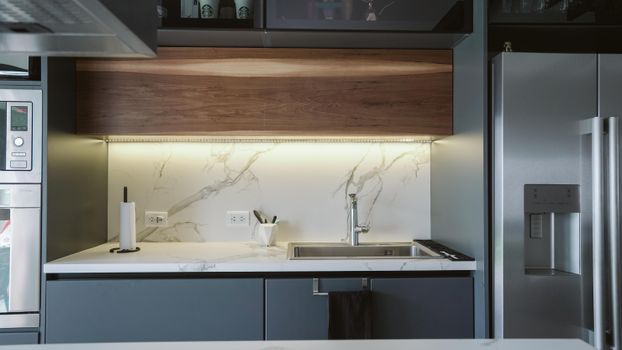
1. LED Panel Lights: These provide broad, even illumination and are excellent for general ambient lighting. Panels with a CRI rating above 95 are popular in photography and painting studios. 2. Adjustable Desk and Task Lamps: Essential for detailed work, these lamps allow you to focus intense, high-CRI light directly on your workspace. Many models offer adjustable color temperature and dimming. 3. Track Lighting: This flexible system lets you position multiple heads along a track, ideal for larger studios or galleries. Look for track lights with high CRI LED bulbs. 4. Under-Cabinet and Strip Lights: Perfect for illuminating workbenches, easels, or display shelves. Choose dimmable, high-CRI LED strips for the best results. 5. Ring Lights: Increasingly used in digital art, photography, and streaming, ring lights provide shadow-free illumination with adjustable color temperature.| Lighting Type | Best For | Typical CRI | Color Temp Range (K) | Key Feature |
|---|---|---|---|---|
| LED Panel | Ambient/General Lighting | 95+ | 4000-6500K | Wide, even coverage |
| Task Lamp | Detail Work | 90-98 | 2700-6500K | Adjustable direction, dimmable |
| Track Lighting | Large Studios | 90-96 | 3000-6500K | Flexible positioning |
| LED Strip | Workbenches/Shelves | 90-95 | 3000-6500K | Low-profile, customizable |
| Ring Light | Photography/Digital Art | 90-98 | 3200-5600K | Shadow-free, portable |
Choosing the Right LED Lighting for Your Medium and Space
The “best” lighting depends on what kind of art you make and the layout of your studio. Here’s how to tailor your choices:
- Painters: Opt for high-CRI panel lights or track lighting to bathe your workspace in even, daylight-balanced illumination. Supplemental adjustable task lamps help with detail work. - Illustrators and Crafters: Desk lamps with adjustable intensity and color temperature offer flexibility for sketching, inking, and assembling. LEDs with a color temperature around 5000K are ideal. - Sculptors: Overhead LED panels minimize shadows, while directional task lights help highlight surface details. - Photographers or Digital Artists: Consider ring lights or high-CRI LED panels with adjustable color temperatures to match different shooting conditions or monitor settings. - Mixed-Use Studios: Layer different types of lighting—ambient, task, and accent—so you can adapt to changing needs. Dimmable systems are especially useful for controlling mood and focus.Practical Tip: Position lights at a 45-degree angle to your work surface to minimize glare and shadows. For wall-mounted artwork, use adjustable track lights to create even, flattering illumination.
Installation Tips and Safety Considerations for LED Art Studio Lighting
Installing LED lighting in your studio isn’t just about plugging in a lamp. Thoughtful setup ensures quality, comfort, and safety:
1. Avoid Overheating: While LEDs are far cooler than traditional bulbs, high-output fixtures can still generate heat. Ensure adequate ventilation, especially with enclosed panel lights. 2. Secure Fixtures Properly: Use wall mounts, ceiling brackets, or heavy bases to prevent lamps from tipping—especially important in studios with pets or children. 3. Use Surge Protectors: Sensitive LEDs can be damaged by power surges. Protect your investment with quality surge protectors or power strips. 4. Mind the Wiring: For permanent installations, consult a licensed electrician. Loose wires or overloaded outlets are fire hazards. 5. Regular Cleaning: Dust and debris can dim LED fixtures over time. Clean lamps and panels with a soft, dry cloth every few months.According to the National Fire Protection Association, improper lighting installation is responsible for over 1,000 home structure fires annually in the United States. Safe setup is as important as choosing the right bulbs.
Featured LED Lighting Products for Artists (2024)
Here are three LED lighting solutions highly rated by artists and creative professionals this year:
1. BenQ e-Reading LED Desk Lamp: With a CRI of 95, adjustable arm, and variable color temperature (2700K-5700K), this lamp is a favorite for illustrators and crafters. It covers a wide area without glare. 2. Neewer 660 LED Video Light Panel: Popular among photographers and mixed-media artists, this panel offers a CRI rating of 96+ and full dimming from 3200K to 5600K. It’s portable and mounts on tripods or stands. 3. Philips Hue White & Color Ambiance Lightstrip: Ideal for under-cabinet or shelf lighting, this dimmable LED strip features a CRI of 90 and customizable color temperatures via app control.Always check manufacturer specs for CRI, color temperature, and dimming features before purchasing.
Final Thoughts: Elevate Your Creative Process with the Right LED Lighting
The quality of lighting in your studio directly impacts your creative work—shaping how you see, feel, and ultimately, what you create. By investing in high-CRI, adjustable LED lighting, you’re not just improving visibility; you’re ensuring color fidelity, reducing eye strain, and creating an inspiring environment. Whether you’re a hobbyist or a professional, choosing the best LED lighting for art and creative activities is one of the smartest upgrades you can make to your workspace. Let your creativity shine—literally and figuratively—with lighting that supports your artistic vision.