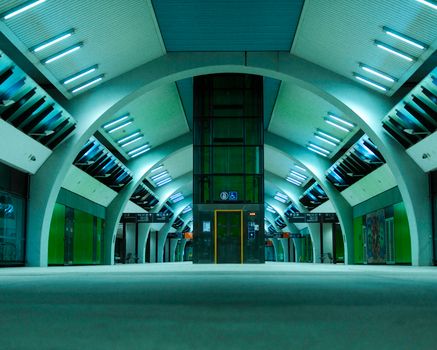
Cities across the globe are transforming the way their streets and public spaces are illuminated. As urban populations swell and city life grows ever more dynamic, the importance of safe, well-lit sidewalks and communal areas has never been greater. Among the most significant innovations in public lighting is the rapid adoption of LED (light-emitting diode) technology. This shift isn’t just about energy savings or modern aesthetics—LED lighting directly impacts the safety and security of sidewalks, pathways, parks, and public plazas.
In this article, we’ll explore how LED lighting enhances public safety, reduce crime, and promotes community well-being. We’ll examine scientific studies, compare LED lighting to traditional options, and look at real-world examples of cities reaping the benefits. Whether you’re a city planner, a homeowner’s association board member, or a curious resident, understanding the safety contributions of LED lighting can help you advocate for a brighter, safer community.
The Science Behind Visibility and Safety in Public Spaces
Visibility is fundamental to feeling and staying safe in public areas. According to the U.S. Department of Justice, poor lighting is one of the top environmental factors associated with higher crime rates in urban and suburban neighborhoods. The simple reason: when sidewalks and parks are dim or shadowy, it becomes easier for criminal activity to go unnoticed, and harder for pedestrians to navigate safely.
LED lighting, with its crisp, bright illumination, dramatically improves visibility compared to traditional streetlights. Unlike older high-pressure sodium lamps, which emit a dull orange glow, LEDs produce a white or daylight-like light. This full-spectrum illumination more closely resembles daylight, making it easier for the human eye to distinguish colors, shapes, and facial features at night. A 2018 study published in the Journal of Environmental Psychology found that pedestrians reported feeling 55% safer in areas illuminated with bright white LED lighting compared to those with conventional streetlamps.
Additionally, LED lights offer uniform light distribution. This reduces harsh shadows and “dark pockets” where hazards or illicit activity can be concealed. Consistent brightness across sidewalks and gathering spaces means there are fewer surprises for pedestrians—crucial for preventing accidents and deterring crime.
Lowering Crime Rates: What the Numbers Say
The relationship between lighting and crime prevention has been the subject of extensive research. In recent years, several large cities have conducted controlled studies to measure the impact of LED upgrades on public safety. The results are compelling:
- In New York City, the Mayor’s Office of Criminal Justice spearheaded a pilot project in 2016 where 400 LED streetlights were installed across high-crime neighborhoods. The result: a 39% reduction in nighttime outdoor crime in those areas. - In Los Angeles, a citywide retrofit of over 215,000 streetlights to LEDs was completed by 2013. The Los Angeles Police Department reported that crimes along well-lit corridors dropped by 7% after the LED conversion. - A 2020 study in Chicago found that neighborhoods with upgraded LED streetlights saw robberies decline by as much as 36% compared to areas with outdated sodium vapor lamps.These reductions are attributed to several factors: better visibility for both pedestrians and surveillance cameras, fewer places for criminals to hide, and an increased perception of safety that encourages community presence at night. When people feel safer, they’re more likely to use sidewalks and parks after dark, further discouraging illicit activity.
LED Lighting and Pedestrian Safety: Reducing Accidents and Injuries
Safety isn’t just about deterring crime—it’s also about preventing accidents and injuries. Sidewalks, crosswalks, and public plazas must be well-lit to ensure that pedestrians of all ages can navigate safely, especially after sunset.
Traditional streetlights often leave uneven patterns of light, creating “hot spots” and shadowy zones where trip hazards—such as uneven pavement, tree roots, or curbs—are hard to see. LEDs, by contrast, deliver even illumination and can be directed precisely where needed. This targeted lighting is especially beneficial at intersections, crosswalks, and bus stops.
According to the Insurance Institute for Highway Safety (IIHS), about 75% of pedestrian fatalities in the United States occur at night. After Charlotte, North Carolina, upgraded its downtown lighting to LED, the city documented a 22% drop in pedestrian-involved accidents within the first year. Improved visibility doesn’t just help those on foot; it also aids drivers, who can more easily spot pedestrians and cyclists, further reducing the risk of nighttime collisions.
Smart LED Lighting: Adaptive Solutions for Modern Cities
One of the most exciting advantages of LED lighting is its compatibility with smart technologies. Unlike traditional lighting, which is either on or off, LED systems can be integrated with sensors and digital controls to offer adaptive, responsive illumination.
Smart LED streetlights can brighten or dim based on the presence of pedestrians, cyclists, or vehicles. For example, a walkway may remain at a low, energy-saving level during quiet hours, but automatically brighten when someone approaches. This not only conserves energy but ensures that public spaces are never unnecessarily dark.
Additionally, smart LED fixtures can be programmed to respond to weather conditions (increasing brightness during fog or rain), integrate with security cameras, or broadcast alerts during emergencies. In Copenhagen, Denmark, the city’s “Intelligent Street Lighting” system uses networked LEDs to adjust lighting levels in real-time, resulting in a 76% reduction in streetlight energy use—and a measurable boost in residents’ sense of nighttime safety.
The table below illustrates some of the differences between traditional and smart LED lighting systems in public spaces:
| Feature | Traditional Streetlights | Smart LED Streetlights |
|---|---|---|
| Light Quality | Yellow/orange, uneven | Bright white, uniform |
| Energy Efficiency | Low (up to 60% more energy use) | High (up to 80% energy savings) |
| Adaptive Controls | On/off only | Dimmable, motion-activated |
| Crime Deterrence | Moderate | Strong, due to better visibility |
| Maintenance Needs | Frequent bulb replacement | Long lifespan, remote monitoring |
Environmental and Social Benefits of Safer LED-Lit Spaces
While safety is paramount, the positive effects of LED lighting extend to social and environmental dimensions. LEDs consume up to 80% less energy than traditional incandescent or sodium vapor lamps. According to the U.S. Department of Energy, if all outdoor lighting in the United States were converted to LEDs, the annual savings would exceed $6 billion and prevent nearly 40 million metric tons of carbon dioxide emissions annually.
Environmentally friendly lighting also means fewer light bulbs to manufacture, ship, and dispose of—LEDs can last up to 25 years, reducing landfill waste. In public spaces, this translates to less frequent maintenance and lower operational costs, allowing city budgets to be redirected to other community needs.
From a social perspective, well-illuminated sidewalks and parks foster greater use of outdoor spaces, support local businesses with increased foot traffic, and encourage healthier lifestyles by making it safer to walk, jog, or cycle at night. Public events, festivals, and evening markets become more accessible and enjoyable for everyone.
Case Studies: Cities Reaping the Benefits of LED Upgrades
Several cities worldwide have documented the transformative impact of LED lighting on public safety and urban life:
- Detroit, Michigan: After years of struggling with broken or outdated streetlights, Detroit undertook a massive LED retrofit, installing over 65,000 new fixtures. The city reported a 50% decrease in streetlight-related service calls and a 19% overall drop in violent crime within three years. - Glasgow, Scotland: The city’s “Future City” program replaced 10,000 streetlights with smart LEDs linked to a central control system. Surveys found that 70% of residents felt safer walking at night, and local police noted improved nighttime visibility for patrols. - Sydney, Australia: A major LED upgrade of pathways and parks reduced the city’s outdoor lighting energy bill by 40%, while community feedback highlighted a noticeable increase in nighttime park usage and a reduction in vandalism incidents.These examples underscore the tangible benefits—both quantitative and qualitative—that LED lighting brings to urban safety and quality of life.
Final Thoughts: Why LED Lighting Is Essential for Safer Public Spaces
The evidence is clear: upgrading sidewalks, parks, and public spaces with LED lighting is one of the most effective ways to enhance urban safety. LEDs improve visibility, deter crime, reduce accidents, and empower cities to adopt smart, adaptive solutions that meet the needs of modern communities. With impressive energy savings and environmental benefits, the shift to LED is not just a technological upgrade—it’s an investment in healthier, safer, and more vibrant public life.
As more municipalities recognize these advantages, the future of city nights looks not only brighter but also much safer for everyone.