LED Lighting in the Automotive Industry: Driving Innovation and Safety
The automotive industry has always been a hotbed for technological advancements, and one of the most significant shifts in recent years has been the widespread adoption of LED (light-emitting diode) lighting. What started as a high-end feature in luxury cars has rapidly become standard across vehicle classes, transforming not only the appearance of modern vehicles but also making them safer, more energy-efficient, and environmentally friendly.
From headlights and taillights to interior ambiance and advanced communication systems, LEDs are at the forefront of a new era in automotive lighting. In this article, we’ll explore how LED lighting is revolutionizing the automotive industry, examine the key benefits and applications, compare it to older technologies, and look ahead at what the future may hold.
The Evolution of Automotive Lighting: From Halogen to LED
For decades, halogen bulbs dominated automotive lighting due to their affordability and ease of replacement. However, as technology progressed and the demand for better visibility, energy efficiency, and design flexibility grew, manufacturers sought alternatives. The emergence of LED lighting in the early 2000s marked a turning point.
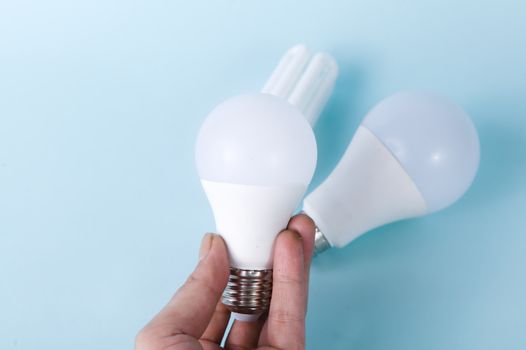
LEDs produce light through electroluminescence, where a semiconductor emits photons when an electric current passes through it. This process is far more efficient than the filament-based incandescence of halogen or even the gas-discharge mechanisms in HID (high-intensity discharge) lamps.
The shift to LEDs has been dramatic. By 2022, more than 70% of new vehicles worldwide were equipped with LED lighting in at least one exterior application, according to industry analysts at MarketsandMarkets. The global automotive LED lighting market was valued at $18.4 billion in 2023 and is projected to reach $28.5 billion by 2028, growing at a CAGR of 9.2%.
Benefits of LED Lighting for Vehicles
The rapid adoption of LEDs in automotive applications is driven by several compelling advantages:
1. Energy Efficiency: LEDs consume up to 75% less energy than halogen bulbs. For electric vehicles, this means more efficient use of battery power, contributing directly to longer driving ranges. 2. Longevity: The average LED can last over 25,000 hours—up to five times longer than halogen or HID bulbs. This reduces maintenance costs and the frequency of replacements. 3. Instant Illumination: LEDs reach full brightness in microseconds. This rapid response is crucial for brake lights, giving drivers behind more time to react and reducing the risk of rear-end collisions. 4. Design Flexibility: Their compact size allows for creative headlight and taillight designs, integrating seamlessly into modern vehicle aesthetics and improving aerodynamics. 5. Enhanced Safety: LEDs provide brighter, whiter, and more focused beams. According to the Insurance Institute for Highway Safety (IIHS), vehicles equipped with LED headlights are associated with a 10% reduction in nighttime accidents compared to those with halogen lamps.Key Applications of LED Lighting in Modern Vehicles
LED technology has permeated almost every lighting aspect of contemporary automobiles. Here are some of the most impactful applications:
Headlights: Adaptive LED headlights can automatically adjust their brightness, direction, and beam pattern based on driving conditions, vehicle speed, and the presence of other vehicles. Some high-end models use matrix LED systems, which can selectively dim certain sections to prevent dazzling oncoming traffic while maintaining maximum illumination elsewhere.
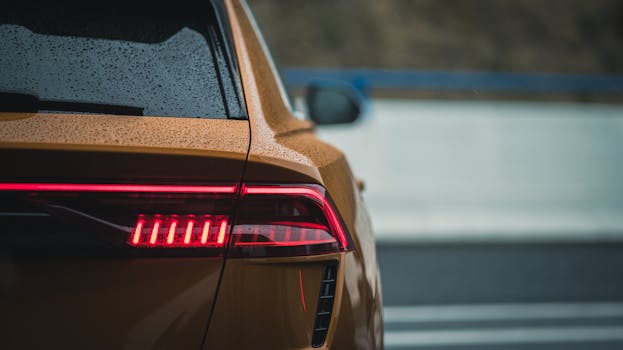
Taillights and Brake Lights: The fast response time of LEDs makes them ideal for brake lights, potentially reducing rear-end collisions. Customizable taillight patterns have also become a signature design element for many brands.
Daytime Running Lights (DRLs): Mandated in several regions, DRLs enhance vehicle visibility during the day. LED DRLs are energy-efficient and can be designed in distinctive shapes to reinforce brand identity.
Interior Lighting: From ambient accent lighting to reading lamps and dashboard displays, LEDs offer a broad color spectrum and dimming capabilities, creating a personalized and comfortable cabin environment.
Signal Indicators and Communication: Advanced vehicles use LED arrays to display signals, such as turn indicators integrated into side mirrors or animated welcome sequences when the vehicle is unlocked.
Comparing LED vs. Halogen vs. HID: Performance and Value
To better understand the impact of LEDs, let’s compare them directly with halogen and HID lighting technologies across key metrics:
| Feature | Halogen | HID (Xenon) | LED |
|---|---|---|---|
| Average Lifespan (hours) | 500-1,000 | 2,000-3,000 | 15,000-25,000 |
| Energy Consumption (watts) | 55-65 | 35-45 | 15-40 |
| Color Temperature (Kelvin) | 3,200K (warm) | 4,000K-6,000K (white/blue) | 5,000K-6,500K (white/daylight) |
| Initial Cost | Low | Moderate | Higher |
| Maintenance Cost | Moderate | High | Low |
| Instant On/Off | Yes | No (warm-up required) | Yes |
| Design Flexibility | Limited | Moderate | High |
| Environmental Impact | Moderate | Contains mercury | Low (mercury-free) |
As the table shows, LEDs outperform traditional technologies in longevity, efficiency, and versatility, justifying their growing prevalence despite a higher initial cost.
Environmental and Regulatory Impact of LED Automotive Lighting
The environmental benefits of LEDs extend far beyond reduced energy usage. LED lighting in vehicles contributes to global sustainability initiatives in several ways:
- Lower Carbon Emissions: By drawing less power from engines or batteries, LEDs help reduce fuel consumption and associated CO2 emissions. The U.S. Department of Energy estimates that if all automotive lighting switched to LEDs, it could save over 9 billion kilowatt-hours of electricity globally each year. - Reduced Waste: The extended lifespan of LEDs means fewer bulbs end up in landfills. Unlike HIDs, LEDs don’t contain hazardous materials like mercury, making disposal safer and more environmentally friendly.Regulatory frameworks are also accelerating the shift towards LEDs. The European Union’s ECE R48 regulation and similar standards in Asia and North America set stringent requirements for automotive lighting performance, efficiency, and safety—standards that LEDs are uniquely equipped to meet.
Innovations and the Future of Automotive LED Lighting
LED technology is not standing still. Several groundbreaking innovations are shaping the next generation of automotive lighting:
Smart and Adaptive Lighting: “Smart” LED systems use cameras and sensors to selectively dim, brighten, or redirect light beams. For example, Audi’s Digital Matrix LED headlights can project symbols or guide lines onto the road, aiding navigation and pedestrian awareness.
Communication Lighting: In the era of autonomous vehicles, LEDs are being used to communicate vehicle intentions to pedestrians and other drivers. For instance, some prototypes display messages or colored signals to indicate yielding or turning.
Laser and OLED Integration: Automakers are now experimenting with laser and organic LED (OLED) technologies for even more compact, efficient, and flexible lighting solutions. BMW and Mercedes-Benz have introduced laser-assisted high-beams that can illuminate up to 600 meters ahead, while OLED taillights are being used for ultra-thin, homogeneous light surfaces.
Personalization: As vehicles become more connected and customizable, interior LED lighting is evolving to offer passenger-specific zones, mood lighting, and even health-related features like circadian rhythm support.
Challenges and Considerations for Widespread Adoption
Despite the clear advantages, the adoption of LED lighting in the automotive sector faces several hurdles:
Cost: The higher upfront cost of LED lighting systems can be a barrier, especially in budget vehicle segments. However, declining manufacturing costs and longer-term savings are narrowing this gap each year.
Thermal Management: While LEDs generate less heat than halogens, they are sensitive to high temperatures, requiring sophisticated heat sinks and control systems to ensure longevity.
Standardization: As lighting designs become more complex, ensuring uniformity and compliance with global regulations presents a challenge for automakers and suppliers.
Repair and Replacement: Integrated LED modules can be costly to replace in the event of damage, sometimes requiring the replacement of entire assemblies rather than individual bulbs.
The Road Ahead: How LED Lighting Will Continue to Transform the Automotive Industry
LED lighting has already transformed the look, feel, and safety profile of modern vehicles. As the technology matures, we can expect even greater integration of smart features, personalization options, and sustainable practices. With ongoing advancements in materials science, manufacturing, and digital control, LEDs are poised to remain at the heart of automotive innovation for decades to come.
For drivers, this means better visibility, lower maintenance costs, and vehicles that are both safer and more expressive. For the industry, the continued evolution of LED lighting offers new opportunities for design differentiation, regulatory compliance, and environmental stewardship.