
LED Lighting and Climate Change: Understanding the Global Impact
The fight against climate change is one of the most pressing challenges facing humanity in the 21st century. With rising global temperatures, melting ice caps, and extreme weather events becoming more common, every sector is under scrutiny for its role in greenhouse gas emissions. One often-overlooked contributor to climate change is the way we light our homes, offices, and public spaces. Lighting accounts for approximately 15% of global electricity consumption and around 5% of worldwide greenhouse gas emissions. In recent years, the widespread adoption of LED (Light Emitting Diode) lighting has been hailed as a game-changer in reducing these emissions. But how significant is the impact of LED lighting on climate change, and what does the data really show?
In this article, we’ll delve into the science, statistics, and broader implications of LED lighting, exploring its true role in the global fight against climate change.
The Evolution of Lighting: From Incandescent to LED
To understand the impact of LED lighting on climate change, it’s important to look at how lighting technology has evolved. For over a century, incandescent bulbs dominated homes and businesses. These bulbs convert only about 5-10% of the energy they use into visible light—the rest is lost as heat. Compact fluorescent lamps (CFLs) marked an improvement, using 60-80% less energy than incandescents, but they had drawbacks such as containing small amounts of toxic mercury.
LEDs, in contrast, represent a leap forward. They use about 75% less energy than traditional incandescent bulbs and last up to 25 times longer. In 2023, LEDs accounted for more than 65% of all new lighting sales globally, up from just 7% in 2013, according to the International Energy Agency (IEA). This rapid adoption is not just a matter of convenience or cost savings; it has significant environmental consequences.
Quantifying the Climate Benefits of LED Lighting
The relationship between lighting and climate change is rooted in electricity consumption. Most of the world’s electricity is still generated by burning fossil fuels, which releases carbon dioxide (CO₂) and other greenhouse gases into the atmosphere. By reducing electricity demand, LEDs directly lower the amount of CO₂ emitted.
Let’s look at some key numbers:
- According to the United Nations Environment Programme (UNEP), a global switch to energy-efficient lighting, primarily LEDs, could reduce annual CO₂ emissions by 530 million tonnes—the equivalent of shutting down over 150 coal-fired power plants. - In the United States, the Department of Energy (DOE) estimates that widespread use of LED lighting could save about 348 terawatt-hours (TWh) of electricity annually by 2027. That’s a reduction of more than 246 million metric tons of carbon emissions—comparable to the annual output of 52 million cars. - In the European Union, LED retrofits in public and private buildings have already reduced lighting energy consumption by over 40% since 2010.These numbers highlight just how significant the climate impact of switching to LEDs can be when implemented at scale.
Energy Efficiency: How Do LEDs Compare to Other Technologies?
A major reason for the climate benefits of LED lighting is their superior energy efficiency. Let’s break down the numbers in a comparative table:
| Lighting Type | Average Wattage (for 800 lumens output) | Annual Energy Use (kWh)$1$1Assumes 3 hours/day usage
$1Reduced Waste:$1Lower Toxicity:$1Less Heat Generation:** LEDs emit very little heat, reducing the load on air conditioning systems—especially significant in hot climates, where lighting can account for 10-15% of cooling energy use.
However, there are challenges. The production of LEDs requires rare earth elements and sophisticated manufacturing processes. As LED demand grows, responsible sourcing and recycling will be essential to minimize environmental impacts throughout the product lifecycle. LED Lighting and the Path to Net Zero EmissionsAchieving global net zero emissions by 2050 will require deep cuts across every sector. According to the International Energy Agency, simply switching all lighting to LEDs by 2030 could save more than 1,400 TWh of electricity per year—more than the entire annual electricity consumption of Japan. This would cut 570 million tonnes of CO₂ emissions annually. Yet, maximizing these benefits depends on more than just changing bulbs. Pairing LED upgrades with smart controls (like motion sensors and dimmers) can boost energy savings by another 30-50%. Integrating LEDs into “smart cities” and building management systems further amplifies their impact, enabling tailored lighting that responds to real-time needs and occupancy. Furthermore, as the electricity grid decarbonizes—shifting from coal and gas to renewables like solar and wind—the climate benefits of energy efficiency measures like LEDs will only increase. Every kilowatt-hour saved by LEDs means less pressure on the grid and a cleaner, more resilient energy future. Final Reflections: LED Lighting’s Lasting Legacy on Climate ChangeThe transformation of the world’s lighting infrastructure is a clear example of how technology, policy, and consumer action can converge for global benefit. LED lighting is not a silver bullet for climate change, but it is a proven, cost-effective step that delivers measurable results—reducing emissions, saving money, and improving quality of life. As of 2024, the world is on track to make LEDs the dominant source of lighting within the next decade. The challenge ahead lies in ensuring equitable access, responsible manufacturing, and maximizing the full potential of this transformative technology. When combined with renewable energy and smart energy management, LEDs can help illuminate a pathway toward a cooler, more sustainable planet. FAQ How much more efficient are LED bulbs compared to incandescent bulbs? LED bulbs use about 75% less energy than incandescent bulbs and last up to 25 times longer, drastically reducing both energy use and waste. Can switching to LED lighting really help fight climate change? Yes. Large-scale adoption of LEDs can cut hundreds of millions of metric tons of CO₂ emissions annually by reducing electricity demand from fossil-fuel power plants. What are some environmental drawbacks of LED lighting? While LEDs are highly efficient and non-toxic, their production requires rare earth elements and complex manufacturing. Responsible sourcing and recycling are important to minimize their environmental footprint. Are there additional benefits to using LEDs beyond energy savings? Yes. LEDs produce very little heat, reducing cooling costs in buildings, and do not contain hazardous materials like mercury, making them safer and easier to recycle. What role do smart controls play in maximizing LED climate benefits? Smart controls such as sensors and automated dimming can increase LED energy savings by 30-50%, ensuring lighting is used only when and where it’s needed. More from the archiveView full article archive →
ambassadeonline.com
Optimize Your Home Gym: The Ultimate Guide to LED Lighting
ambassadeonline.com
Boost Your Business: How LED Lighting Attracts More Customers
ambassadeonline.com
Revolutionizing Urban Safety: How LED Lighting Enhances Public Spaces
ambassadeonline.com
Transform Your Home with LED Strip Lights: A Guide to Ambient Lighting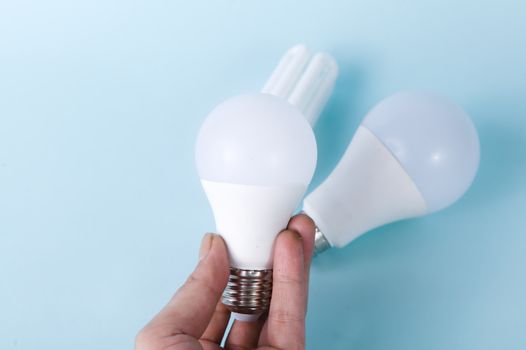
ambassadeonline.com
Maximize Home Sustainability: The Comprehensive Guide to LED Lighting Benefits
ambassadeonline.com
Transform Your Kitchen: DIY Guide to Installing LED Under-Cabinet Lighting
ambassadeonline.com
Mastering LED and Traditional Lighting: A Guide to Harmonious Indoor Illumination
ambassadeonline.com
Revamp Your Space: How LED Lighting Enhances Interior Colors & Mood |
|---|