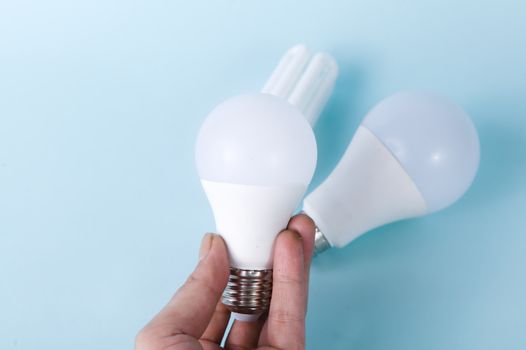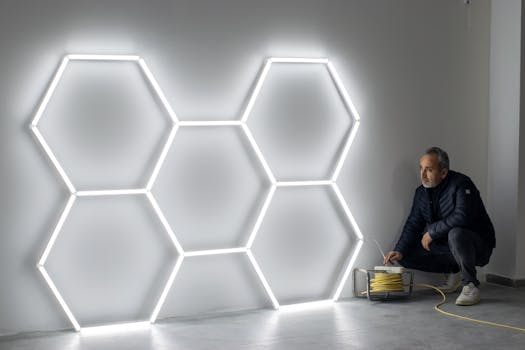
In recent years, LED lighting has become the preferred choice for homeowners seeking energy efficiency, superior brightness, and long-term savings. While LEDs are celebrated for their longevity—often advertised to last 15,000 to 50,000 hours—real-world performance can vary dramatically depending on usage, installation, and care. Properly maintaining and optimizing your LED lighting not only ensures you get the maximum return on your investment but also helps to keep your home beautifully illuminated for years to come. In this guide, we will delve into practical, lesser-known strategies for maintaining and extending the lifespan of LED lighting in the home, supported by industry facts, actionable advice, and a comparative overview of LED durability factors.
The Science Behind LED Longevity: What Determines Lifespan?
LEDs, or light-emitting diodes, are fundamentally different from traditional incandescent or fluorescent bulbs. Unlike older technologies that rely on heated filaments or gas excitation, LEDs produce light through electroluminescence—a process where electrons pass through a semiconductor material and release photons. This design not only delivers remarkable energy efficiency but also dramatically reduces the risk of component failure.
However, several factors directly influence how long an LED will last in your home:
- $1 Excessive heat is the number one enemy of LED lifespan. Poor ventilation or high ambient temperatures can accelerate component degradation, shortening a bulb’s life by up to 50%. - $1 Fluctuations in voltage, power surges, or incompatible dimmer switches can stress LED drivers, leading to premature failure. - $1 Humidity, dust, and exposure to corrosive elements (like salt air near coastal homes) can impact LED performance.According to the U.S. Department of Energy, a well-maintained LED can last 25 times longer than an incandescent bulb and consume at least 75% less energy. Yet, even top-rated LEDs can underperform if not installed and cared for correctly.
Proper Installation: The Foundation for Long-Lasting LEDs
The journey to maximizing LED lifespan begins at installation. Here’s how to get it right from the start:
- $1 Not all fixtures are created equal. Some are designed for incandescents and may trap heat, shortening LED life. Opt for fixtures rated as “LED compatible” or “LED optimized.” - $1 Ensure your fixtures allow for adequate airflow. Enclosed fixtures can increase heat buildup, leading to faster lumen depreciation (a gradual reduction in light output over time). - $1 Using a bulb with a wattage rating higher than the fixture allows can cause overheating and early failure. - $1 Many LEDs are not compatible with traditional dimmer switches. Always check for “LED compatible” dimmers to avoid flickering and driver damage.Nearly 30% of premature LED failures are attributed to improper installation—often a result of using incompatible fixtures or dimmers. Investing a little extra time in setup can yield thousands of extra hours of use.
Managing Heat: Keeping Your LEDs Cool and Efficient
Heat is the silent killer of LED lighting. While LEDs produce far less heat than incandescent bulbs, they are still sensitive to temperature changes. Here’s how to keep things cool:
- $1 Dust and debris act as insulators, trapping heat. Wipe down LED fixtures at least once every three months to maintain optimal airflow. - $1 Placing multiple LEDs close together, such as in track lighting, can compound heat buildup. Space bulbs according to manufacturer recommendations. - $1 High-temperature areas (like attics or kitchens) can accelerate degradation. Look for LEDs rated for “high temperature” or “damp location” use in these environments.A 2022 study by the Illuminating Engineering Society found that LEDs operating 10°C above their recommended maximum temperature can lose up to 40% of their rated lifetime. Simple cooling strategies can make a substantial difference.
Stable Power Supply: Protecting LEDs from Electrical Hazards
LEDs require a stable flow of electricity. Power fluctuations, surges, or improper voltage can damage the internal driver (the electronic component that regulates power to the LED chip). Here’s how to safeguard your investment:
- $1 Especially important in areas prone to lightning or frequent outages, whole-home surge protectors can prevent sudden voltage spikes from reaching your lights. - $1 Some imported LEDs are rated for 220V, while North American homes typically supply 120V. Always match the bulb to your home’s electrical system. - $1 Non-UL or non-Energy Star certified LEDs often lack robust internal drivers, making them more vulnerable to power issues.According to Consumer Reports, using certified LEDs reduces the risk of electrical failure by 60% compared to non-certified bulbs. The small price premium pays for itself in reliability and safety.
Environmental Maintenance: Keeping LEDs Clean and Protected
While LEDs are generally more robust than older bulbs, environmental factors can still impact their performance:
- $1 Regular cleaning of bulbs and fixtures prevents build-up that can insulate heat and reduce light output. - $1 Bathrooms, basements, and kitchens often have higher moisture levels. Select LEDs rated for “damp” or “wet” locations in these areas. - $1 For exterior lighting, use LEDs specifically rated for outdoor use. These are sealed against rain, insects, and UV degradation.A clean, protected environment not only helps LEDs run cooler but also maintains their brightness and appearance. The National Association of Home Builders recommends a quarterly cleaning schedule for optimal performance.
Usage Patterns: Smart Habits for LED Longevity
How you use your LED lights can have a surprising impact on their lifespan. Consider these usage tips:
- $1 While LEDs are more resilient than fluorescents, constant rapid switching can stress the internal driver. In high-traffic areas, consider leaving lights on for longer periods instead of frequent toggling. - $1 Automating your lighting ensures consistent schedules, prevents accidental overuse, and can extend lifespan by up to 20%. - $1 If you frequently use dimmers, ensure they are compatible and properly matched to your LEDs to avoid flickering and potential damage.A study by the Lighting Research Center found that homes utilizing smart lighting controls experienced 15-20% longer average LED lifespans due to optimized usage patterns.
Comparative Overview: Factors Influencing LED Lifespan
To further clarify the impact of various factors on LED longevity, here’s a comparative table summarizing the key points:
| Factor | Effect on Lifespan | Recommended Action |
|---|---|---|
| Heat Management | Excess heat can reduce lifespan by up to 50% | Use ventilated fixtures, clean regularly |
| Installation Quality | Improper installation can cause 30% of early failures | Use compatible fixtures and dimmers |
| Power Stability | Unstable power can lead to driver failure | Install surge protectors, use certified bulbs |
| Environmental Exposure | Humidity and dust reduce light output and efficiency | Use damp-rated bulbs, clean quarterly |
| Usage Patterns | Smart controls can extend life by 20% | Automate and minimize rapid cycling |
Final Thoughts: Getting the Most Out of Your Home’s LED Lighting
LED lighting represents a significant upgrade for most homes, offering lower energy bills, reduced environmental impact, and the promise of long-lasting illumination. However, to truly reap these benefits, homeowners must go beyond simply swapping out bulbs. By paying attention to installation, managing heat, protecting against electrical hazards, maintaining a clean environment, and adopting smart usage habits, you can extend the lifespan of your LEDs far beyond the manufacturer’s estimate.
Incorporating these tips will not only save you money and reduce waste but also ensure your home remains well-lit, safe, and comfortable. As LED technology continues to evolve, staying informed and proactive about maintenance will keep your lighting investment shining bright for years to come.