The modern office is evolving at a rapid pace, shaped by advances in technology, shifting work cultures, and a deeper understanding of employee well-being. One often overlooked yet critical element of this evolution is office lighting—specifically, the impact of LED lighting on productivity. While many companies have already made the switch from traditional lighting to LEDs for their energy and cost benefits, there’s growing evidence that the right kind of LED lighting can directly influence how well employees focus, collaborate, and perform throughout the workday.
In this article, we will delve into the ways LED lighting affects productivity in office environments, drawing on scientific research, real-world examples, and actionable tips. We’ll explore the physiological and psychological mechanisms at play, the importance of tunable white LEDs, the role of lighting design and placement, and provide practical advice for optimizing your workspace for maximum output.
The Science Behind Light and Workplace Productivity
Lighting does more than illuminate a space—it interacts with our biology and psychology in powerful ways. Research in chronobiology, the study of biological rhythms, has shown that light exposure is a primary regulator of our circadian rhythms, which in turn influence alertness, mood, and cognitive function.
A 2018 study published in the journal “Building and Environment” found that employees working under optimized LED lighting experienced a 12% increase in productivity compared to those under conventional fluorescent lighting. The explanation lies in the spectrum and intensity of LED light: LEDs can be engineered to emit light that more closely mimics natural daylight, which is crucial for keeping our internal body clocks in sync.
Moreover, poor or inappropriate lighting can lead to eyestrain, headaches, fatigue, and even increased error rates. The American Society of Interior Designers reports that 68% of employees complain about their office lighting situation, with many citing issues such as glare, flicker, and insufficient illumination—all factors that can be addressed with well-designed LED solutions.
Tunable White LEDs: Mimicking Natural Light for Better Focus
One of the most exciting innovations in LED technology is tunable white lighting, which allows adjustment of color temperature and intensity throughout the day. This feature is especially valuable because it enables lighting to support the body’s natural rhythms.
For instance, cooler, blue-enriched light in the morning can boost alertness and concentration, while warmer, softer tones in the afternoon help reduce fatigue and support relaxation. Studies have shown that dynamic lighting systems that change color temperature and intensity in sync with the time of day can improve cognitive performance and even reduce absenteeism.
A real-world example comes from the headquarters of a major European bank, which installed tunable white LED lighting in its open-plan offices. The company reported a 15% reduction in errors, a 10% improvement in employee satisfaction, and a noticeable decrease in afternoon energy slumps. This is a testament to how fine-tuning the lighting environment can yield tangible business benefits.
Lighting Quality: CRI, Flicker, and Glare Matter
Not all LEDs are created equal. Three technical aspects—Color Rendering Index (CRI), flicker, and glare—play a pivotal role in how lighting impacts productivity.
- Color Rendering Index (CRI): This measures how accurately a light source displays colors compared to natural light. A CRI above 80 is recommended for offices; high CRI LEDs make text, graphics, and screens easier to read and reduce eye fatigue. - Flicker: Poor-quality LEDs may flicker at a frequency that is imperceptible but still causes eyestrain and headaches over time. Modern, high-quality LED drivers minimize this issue. - Glare: Excessively bright or poorly diffused lighting can cause glare, making it difficult to focus on screens or paperwork. Using fixtures with proper diffusers and positioning lights away from direct sightlines can mitigate glare.The table below compares LED lighting with other common office lighting options in terms of these quality factors:
| Lighting Type | Average CRI | Flicker Risk | Glare Control | Energy Efficiency |
|---|---|---|---|---|
| LED (High Quality) | 80-98 | Very Low | Excellent with Proper Fixtures | Up to 75% more efficient |
| Fluorescent | 60-85 | Moderate to High | Variable | Moderately efficient |
| Incandescent | 95-100 | Low | Good | Low efficiency |
These numbers highlight why investing in high-quality LED lighting is not just about energy savings, but also about creating an environment where people can do their best work.
Spatial Design: Placement and Layering for Enhanced Productivity
How LED lights are deployed in an office is as important as the lights themselves. Effective lighting design considers not only the type of fixtures, but also their placement, layering, and adaptability.
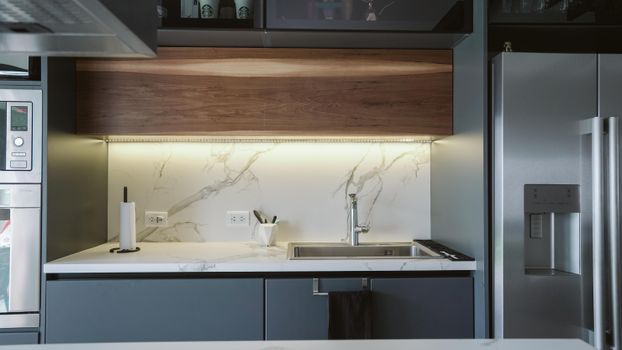
- Task Lighting: Desk lamps with LED bulbs provide focused illumination for reading, writing, or computer work, reducing dependence on harsh overhead lighting. - Ambient Lighting: Even, indirect LED lighting reduces shadows and creates a comfortable baseline of illumination that minimizes eyestrain. - Accent Lighting: Strategically placed LED strips or spotlights can highlight collaborative zones, break areas, or architectural features, subtly guiding movement and focus within the workspace.A 2022 survey by the International WELL Building Institute found that 77% of employees in offices with layered lighting reported higher satisfaction and were 18% more likely to rate their productivity as “excellent” compared to those in uniformly lit spaces.
Furthermore, adjustable lighting systems that allow for personalized control have been shown to boost empowerment and morale. For example, a tech startup in San Francisco installed smart LED panels that employees could dim or brighten via smartphone apps, which led to a 22% reduction in complaints about lighting conditions.
Color Temperature and Its Psychological Effects
The color temperature of light is measured in Kelvin (K) and has a profound psychological impact on office occupants. Here’s how different ranges affect productivity:
- 5000K-6500K (Cool White/Daylight): Mimics natural daylight, increasing alertness and mental clarity. Ideal for brainstorming rooms, conference areas, and morning hours. - 3500K-4100K (Neutral White): Balanced, neither too warm nor too cool. Suitable for general office areas and continuous work. - 2700K-3000K (Warm White): Creates a cozy, relaxed environment. Best for break rooms or spaces where employees unwind.A research paper published in “Ergonomics” found that offices lit with cooler light (5000K) during the first half of the day saw a 14% increase in task performance, while switching to warmer light in the afternoon reduced reported fatigue by 11%.
This evidence suggests that a one-size-fits-all approach to lighting is suboptimal. Instead, offices should consider zoned or programmable LED lighting to match the needs of different areas and times of day.
Tips for Optimizing Office Productivity with LED Lighting
Maximizing the productivity benefits of LED lighting goes beyond just swapping out bulbs. Here are some expert-backed tips:
1. Choose High-CRI LEDs: Opt for LEDs with a CRI of at least 80, preferably 90+, for areas where color accuracy matters. 2. Implement Tunable Lighting: Where possible, install LED systems that allow you to change color temperature and brightness throughout the day. 3. Layer Your Lighting: Use a combination of ambient, task, and accent lighting to tailor illumination to specific tasks and spaces. 4. Avoid Direct Glare: Position fixtures and use diffusers to prevent light from shining directly into eyes or onto screens. 5. Encourage Personal Control: Give employees some ability to adjust the lighting at their workstations. 6. Regular Maintenance: Clean fixtures and replace aging LEDs to ensure consistent light output and quality. 7. Integrate with Smart Controls: Use occupancy sensors and daylight harvesting systems to optimize energy use and user experience.By applying these tips, offices can create a lighting environment that not only looks great but also actively supports better focus, creativity, and well-being.
The Future of LED Lighting and Office Productivity
As the science of workplace wellness advances, it’s clear that LED lighting is more than just a cost-saving upgrade—it’s a strategic asset for productivity. With tunable white technology, high-quality components, and smart design, LEDs can be used to align the indoor environment with our natural biological needs.
Companies that invest in optimized LED lighting report measurable gains—not just in reduced energy bills, but in happier, healthier, and more productive employees. As remote and hybrid work patterns continue to evolve, the importance of well-designed office lighting will only grow.
Whether you’re designing a new workspace or upgrading an existing one, understanding and leveraging the unique benefits of LED lighting is a powerful way to boost productivity and employee satisfaction.