How LED Lighting Affects Our Sleep: Tips for a Healthier Night Routine
Sleep is a cornerstone of good health, supporting everything from mental clarity to immune function. Yet, many people struggle to get the rest they need, often overlooking one of the most influential—and easily adjustable—factors in their environment: lighting. With the rise of energy-efficient LED lighting, our evenings are brighter than ever. But how does this modern illumination affect our natural sleep rhythms? In this article, we’ll explore the science behind LED lighting and sleep, examine how different types of LED light interact with our bodies, and share actionable tips to create a healthier night routine for more restorative sleep.
The Science: How Light Influences the Body’s Sleep-Wake Cycle
Our bodies are tuned to follow a circadian rhythm—a roughly 24-hour cycle that regulates sleep, hormone production, and other vital processes. This internal clock is powerfully influenced by exposure to light, especially the blue wavelengths that are abundant in daylight. When the sun sets, fading natural light signals our brains to release melatonin, the hormone that prepares us for sleep.
LED lights, especially those designed for maximum brightness and energy efficiency, often emit significant amounts of blue light. According to a 2017 study published in the journal "Lighting Research & Technology," exposure to blue light in the evening can suppress melatonin production by up to 85%. This suppression delays the onset of sleepiness and can shift the circadian rhythm, making it harder to fall asleep and wake up at the desired times.
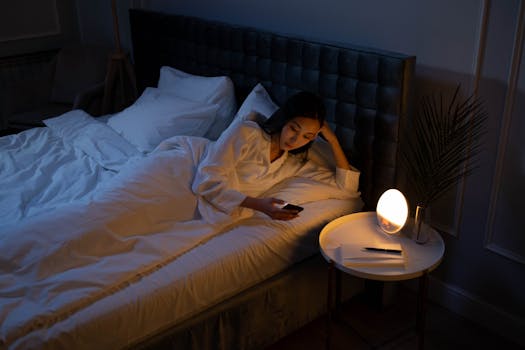
A 2020 survey by the National Sleep Foundation found that over 40% of Americans use electronic devices with LED screens (such as smartphones and tablets) in the hour before bed, further compounding the issue.
Blue Light vs. Other Wavelengths: A Comparison
Not all LED lights are created equal. The spectrum of light they emit can vary widely, affecting sleep in different ways. Blue light, which has a wavelength of about 480 nanometers, is the most disruptive to melatonin production. In contrast, warmer tones—such as orange and red—have much less impact.
Below is a comparison table summarizing how various common LED color temperatures and typical light sources affect melatonin suppression:
| Light Source | Color Temperature (Kelvin) | Relative Blue Light Content | Melatonin Suppression (%) |
|---|---|---|---|
| Daylight LED | 5000-6500K | High | 70-85% |
| Cool White LED | 4000K | Moderate | 50-60% |
| Warm White LED | 2700-3000K | Low | 10-20% |
| Incandescent Bulb | 2200-2700K | Very Low | 5-15% |
| Red/Amber LED | 1700-2000K | Minimal | <5% |
This data highlights why the type of LED lighting you use in the evening can make a substantial difference in your sleep quality.
Health Impacts of Disrupted Sleep from LED Exposure
Chronic disruption of sleep due to inappropriate lighting doesn’t just leave you tired—it can lead to a host of health issues. According to the Centers for Disease Control and Prevention (CDC), insufficient sleep is linked to increased risk of obesity, diabetes, depression, and cardiovascular disease.
In a 2019 study conducted by Harvard Medical School, participants exposed to blue-rich LED light for just three hours before bedtime experienced:
- A 50% reduction in melatonin levels - Delays in falling asleep by an average of 30 minutes - Decreased sleep duration by up to 1 hourThe study also found that participants reported feeling less rested and more irritable the following day. Over time, these effects can accumulate, resulting in chronic sleep debt and deteriorating health.
Smart Strategies: Optimizing Your Evening LED Lighting
Fortunately, you don’t have to give up the benefits of LED lighting to improve your sleep. By understanding how and when to use different types of LEDs, you can create an environment that supports your natural circadian rhythm.
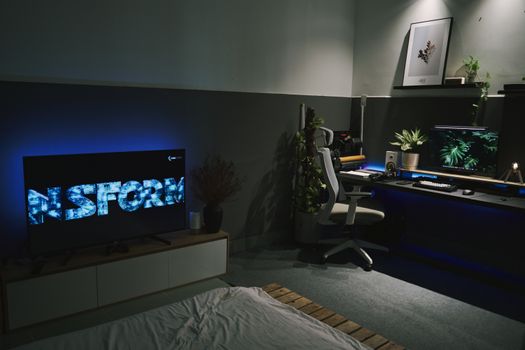
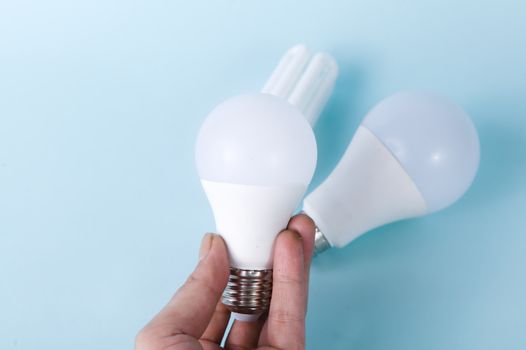
1. Adjust Color Temperature: Many modern LED bulbs are tunable—meaning you can switch between cool (blue-rich) and warm (yellow/red-rich) tones. Opt for bulbs rated at 2700K or lower for evening use. Smart bulbs that automatically shift to warmer hues after sunset are ideal. 2. Dim the Lights: Brightness matters as much as color temperature. Lowering the intensity of lighting in the hour before bed signals your body that it’s time to wind down. Use dimmers or low-wattage lamps to keep your evening lighting soft and gentle. 3. Limit Overhead Lighting: Harsh, direct overhead lights are more likely to suppress melatonin than softer, indirect sources. Table lamps, wall sconces, or even LED candles can create a more sleep-friendly ambiance. 4. Use Red or Amber Night Lights: If you need illumination during the night (for example, in hallways or bathrooms), choose red or amber LED night lights. These wavelengths have minimal impact on melatonin and won’t disrupt your sleep if you wake up. 5. Implement “Screen Curfew”: LED screens from phones, tablets, and TVs emit a significant amount of blue light. Set a ‘screen curfew’ at least 60 minutes before your planned bedtime. If you must use devices, enable blue light filtering modes (often labeled “Night Shift” or “Night Mode”).Beyond Light Bulbs: Rethinking Your Evening Environment
Optimizing your sleep environment involves more than just swapping out bulbs. Consider these additional tips to promote a healthy night routine:
- Block Unwanted Light: Use blackout curtains to minimize exposure to streetlights or outdoor LEDs. Even small amounts of stray light can reduce sleep quality by up to 30%, according to a 2022 study from Stanford University. - Establish a Wind-Down Routine: Combine dimmed, warm lighting with calming activities such as reading, meditation, or listening to soft music. This signals to your brain that it’s nearly time to sleep. - Synchronize with Natural Light: Try to maximize your exposure to natural daylight during the morning and afternoon. This helps reinforce your circadian rhythm and makes you less sensitive to artificial light in the evening.Emerging Technology: LED Innovations for Better Sleep
As our understanding of light and health grows, the lighting industry is responding with innovative solutions designed to support better sleep. Some of the latest developments include:
- Circadian Lighting Systems: These smart systems automatically adjust color temperature and brightness throughout the day, mimicking the natural progression of sunlight. - Sleep-Friendly LEDs: Specialized bulbs emit minimal blue light, focusing on red and amber wavelengths. Brands like Philips and GE offer “sleep” or “relax” LED bulbs specifically engineered for evening use. - Wearable Blue Light Blockers: Glasses with lenses that filter out blue light can reduce its impact from all sources—including both overhead lights and screens. A 2021 trial found that wearing blue-blocking glasses for three hours before bed increased melatonin levels by 58%.With these tools, it’s easier than ever to make mindful choices about your lighting and protect your sleep.
Final Thoughts on LED Lighting and Healthier Sleep
LED lighting is here to stay, offering undeniable benefits in energy savings and versatility. However, the very features that make LEDs popular—brightness and blue-rich light—can undermine our sleep when used indiscriminately at night. By understanding the science and making a few simple adjustments, you can enjoy the advantages of LED lighting while supporting your body’s natural need for rest. Embrace warmer, dimmer lights in the evening, limit blue light exposure from screens, and cultivate a calming bedtime environment. These steps may seem small, but they can have a profound impact on your nightly rest and overall wellbeing.