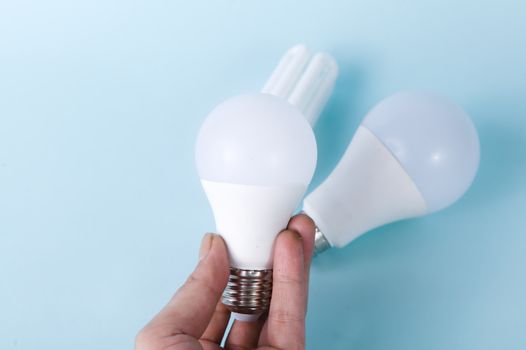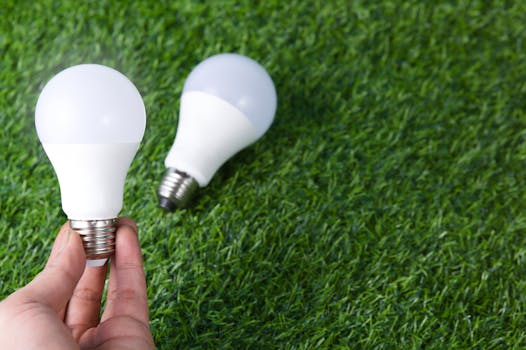
LED lighting has taken center stage in modern homes, offices, and public spaces, celebrated for its energy efficiency, longevity, and versatile design options. While LED lights are often marketed as “maintenance-free,” the reality is that regular care and cleaning can extend their lifespan and ensure they perform at their best. Neglecting maintenance can lead to reduced brightness, color shifts, or even premature failure. In this guide, we’ll dive into the essential tips for maintaining and cleaning LED lighting, helping you protect your investment and enjoy brilliant illumination for years to come.
The Science Behind LED Longevity: Why Maintenance Matters
LEDs (Light Emitting Diodes) are renowned for their long lifespan, typically ranging from 25,000 to 50,000 hours of use—outperforming incandescent bulbs by up to 25 times. However, several factors influence their actual service life:
- $1 Excessive heat is the enemy of LED performance. Dust accumulation can insulate fixtures, trapping heat and degrading internal components. - $1 Fluctuations in voltage or faulty wiring can stress LED drivers and chips. - $1 Humidity, dust, and even insects can impact LEDs, particularly in outdoor or industrial settings.A study by the U.S. Department of Energy found that well-maintained LEDs can retain up to 90% of their initial light output after 20,000 hours, compared to poorly maintained fixtures that may drop below 70% in the same period. This underscores the importance of proactive care.
Routine LED Lighting Maintenance Checklist
Consistency is key to keeping your LEDs shining brightly. Here’s a practical maintenance checklist to follow:
1. $1 Use a microfiber cloth or an electrostatic duster to gently remove dust from LED bulbs, panels, and fixtures. For hard-to-reach ceiling lights, an extendable duster is ideal. 2. $1 Every three months, inspect fixtures for loose connections, discoloration, or flickering. Address any electrical issues promptly. 3. $1 Once a year, turn off the power and remove covers or lenses for a thorough cleaning (details below). 4. $1 Ensure vents and heat sinks are clear of obstructions. Overheating remains a leading cause of LED failure. 5. $1 Verify that dimmers, timers, or smart controls are functioning correctly and are compatible with your LED systems.Following this schedule can help you avoid common pitfalls that lead to premature LED burnout or reduced efficiency.
Safe and Effective Cleaning Techniques for LED Lights
Cleaning LED lights isn’t just about aesthetics—it’s a critical factor in maintaining light output and efficiency. Here’s how to do it safely:
- $1 Before cleaning, switch off the light and, if possible, disconnect from the mains. This prevents electric shock and protects the electronics. - $1 Avoid harsh chemicals, ammonia, or abrasive pads. Instead, use a diluted solution of mild dish soap and water applied to a soft, lint-free cloth. Wipe gently to remove grime. - $1 After cleaning, use a dry cloth to ensure no moisture remains. Moisture can seep into the fixture and damage sensitive components. - $1 If your LED fixture has removable covers or lenses, wash them separately with soapy water, rinse, and dry before reassembling. - $1 Never spray cleaners directly onto the fixture. Always apply to the cloth first.For specialty fixtures such as LED strips, outdoor lamps, or recessed downlights, consult the manufacturer’s instructions for best practices.
Preventing Common LED Lighting Issues Through Maintenance
Regular maintenance not only preserves brightness but helps prevent a variety of LED issues:
- $1 Dust and dirt can decrease light output by up to 30%. Keeping lenses and bulbs clean ensures maximum illumination. - $1 Blocked heat sinks or vents can raise operating temperatures, shortening LED lifespan. Cleaning keeps airflow unobstructed. - $1 Accumulated debris can distort light color, especially on RGB or tunable white fixtures. - $1 In humid or outdoor environments, cleaning removes moisture and contaminants that can corrode connections or housings.A 2021 survey of facility managers revealed that regular maintenance reduced LED-related downtime by 40% and cut replacement costs by 25% over five years. Clearly, a little effort goes a long way.
Indoor vs. Outdoor LED Lighting: Maintenance Differences
Indoor and outdoor LED fixtures face different challenges. Here’s a comparison of key maintenance needs:
| Aspect | Indoor LEDs | Outdoor LEDs |
|---|---|---|
| Primary Threats | Dust, pet hair, household chemicals | Weather, insects, pollution, moisture |
| Cleaning Frequency | Monthly dusting, annual deep clean | Bi-monthly inspection, seasonal deep clean |
| Protective Measures | Keep away from vents and cooking areas | Use sealed (IP65+) fixtures, apply anti-corrosion spray |
| Common Issues | Dust buildup, discoloration | Water ingress, insect nests, corrosion |
| Replacement Cycle | 5-10 years | 3-7 years (due to harsher conditions) |
For garden or security lights, check seals and gaskets regularly to prevent water ingress. In coastal areas, salt can accelerate corrosion, so rinse fixtures with fresh water every few months.
Prolonging LED Lifespan: Advanced Tips for Homeowners and Businesses
If you want to get the absolute most from your LED investment, consider these additional strategies:
- $1 Smart dimmers and occupancy sensors can reduce on-time, extending lifespan by up to 20%. - $1 For high-output LEDs (like shop lights), verify that fixtures have adequate ventilation, or add heatsinks if possible. - $1 Electrical surges can damage LEDs and drivers. Use surge-protected outlets, especially in areas prone to lightning or grid instability. - $1 For smart LED systems, keep firmware updated to optimize performance and fix bugs. - $1 In commercial settings, consider annual or bi-annual professional inspections, which often include cleaning, testing, and firmware updates.According to the International Association of Lighting Designers, businesses that implemented proactive LED maintenance saw a 30% reduction in total lighting costs over a 10-year period.
Best Practices for Cleaning Specialized LED Fixtures
Some LED fixtures require special attention:
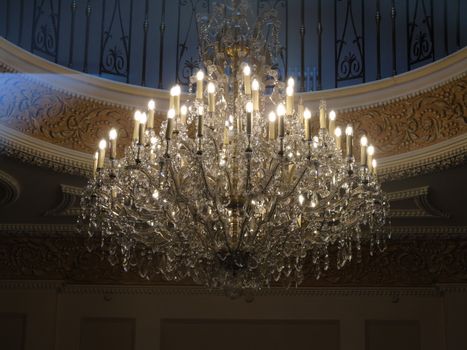
- $1 Dust gently with a soft brush. Avoid getting adhesive backing wet. - $1 Remove trim and clean both the trim and lens with a damp cloth. Inspect for insects or cobwebs. - $1 Use a stepladder and clean each element carefully. For crystal or glass, use a dedicated cleaner, but avoid contact with the LED itself. - $1 Turn off the breaker, use a blower or compressed air to remove dust from heat sinks and drivers, and wipe lenses with a damp cloth.Always check the manufacturer’s recommendations before using any cleaning agent or tool on specialized fixtures.
Final Thoughts on Maintenance and Cleaning of LED Lighting
LED lighting is a smart investment, but like any technology, it thrives with regular care. By adopting a simple maintenance routine and using safe cleaning techniques, you can keep your LEDs shining bright, save money on replacements, and enjoy reliable illumination for years. The extra few minutes spent each month will pay off with fewer failures, lower energy costs, and consistently beautiful light throughout your space.