The Influence of LED Lighting on Performance and Creativity in Artistic Professions
Lighting has always played a pivotal role in the world of artistic professions. Whether it’s painting, sculpting, photography, dance, or music, the environment in which artists work can dramatically affect both their output and their creative process. In recent years, LED lighting has become the go-to illumination choice in many creative studios and performance spaces. But how exactly does LED lighting impact artistic performance and creativity? In this article, we’ll explore the science, benefits, challenges, and real-world applications of LED lighting in artistic fields, backed by facts, numbers, and expert insights.
The Science of Light and Creativity: Why LEDs Are Different
Light profoundly affects the human brain, and by extension, our creativity and performance. Numerous studies have shown that light quality, color temperature, and intensity can influence mood, concentration, and even cognitive flexibility—an essential trait for creative tasks.
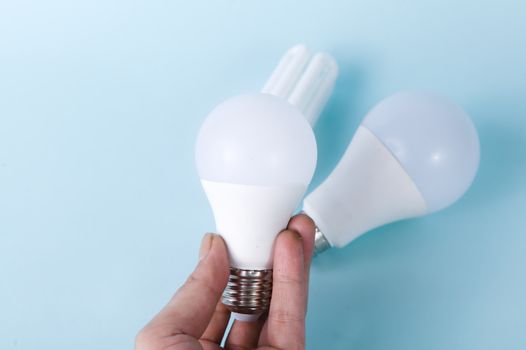
LED (Light Emitting Diode) lighting stands out for its versatility and precision. Unlike traditional incandescent or fluorescent bulbs, LEDs can be adjusted to emit a wide range of color temperatures (measured in Kelvin) and maintain consistent brightness without flickering. According to the U.S. Department of Energy, LEDs consume up to 75% less energy and last 25 times longer than traditional bulbs, making them both efficient and sustainable.
These unique qualities allow artists to tailor their environment for specific tasks. For example, a painter may require daylight-balanced LEDs (around 5000K-6500K) for accurate color mixing, while a choreographer might prefer warmer tones (2700K-3500K) to create a soothing atmosphere for dance rehearsals.
Enhancing Visual Arts: Precision and Color Fidelity
Visual artists, including painters, illustrators, and photographers, rely on accurate and consistent lighting to perform at their best. The Color Rendering Index (CRI) measures how faithfully a light source reveals the true colors of objects compared to natural light. LEDs with a high CRI (90 or above) ensure that colors appear vibrant and true-to-life, which is crucial when mixing paints, judging textiles, or editing photographs.
A study published in the Journal of the Illuminating Engineering Society found that artists working under high-CRI LEDs reported a 35% improvement in color discrimination and a 22% reduction in eye strain compared to those using standard fluorescent lights. This not only improves the quality of the artwork but also extends the time artists can comfortably work.
Additionally, modern LED fixtures can replicate different lighting scenarios—from crisp daylight to the golden glow of sunset—enabling artists to preview how their work will appear under various conditions. This level of control is invaluable in fields like portrait photography or set design, where lighting determines mood and visual impact.
LED Lighting and Performing Arts: Setting the Stage
In performing arts such as theater, dance, and music, lighting shapes the ambiance, guides the audience’s attention, and even influences performers’ emotions. LEDs have revolutionized stage lighting by offering dynamic control over color, intensity, and direction.
A notable example is the Broadway adaptation of "Hamilton," where more than 75% of all stage lighting was LED-based. This allowed for rapid scene changes, precise mood shifts, and significant energy savings—up to 60% compared to traditional systems.
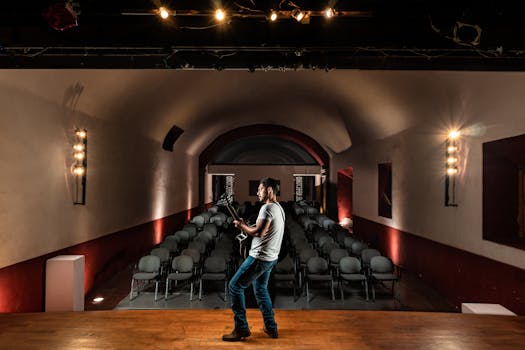
LED lighting also benefits performers directly. Dancers and musicians exposed to high-quality, flicker-free LED lighting report reduced visual fatigue and improved concentration during rehearsals. In 2019, a survey by the UK Theatre Lighting Association found that 68% of performers preferred LED-lit rehearsal studios, citing better visibility and a more comfortable environment.
Boosting Creativity: The Psychological Effects of LED Lighting
Creativity is not just a product of skill and inspiration—it’s also highly influenced by external factors like lighting. Research from the University of Stuttgart demonstrated that cooler LED light (5000K-6500K) enhances alertness and cognitive flexibility, making it ideal for brainstorming and conceptual work. In contrast, warmer LED light (2700K-3500K) creates a relaxing atmosphere conducive to reflection and creative problem-solving.
This psychological effect is especially valuable in collaborative artistic settings. Design studios, ad agencies, and music composition rooms often use tunable LED systems to shift between cool and warm light throughout the day, supporting both energetic ideation sessions and focused, solitary work.
Furthermore, LEDs can be programmed for circadian rhythm support, simulating natural daylight cycles to minimize fatigue and boost mood. A controlled trial at a Berlin art school found that students exposed to circadian-tuned LEDs reported a 30% increase in creative output and a significant reduction in late-afternoon drowsiness compared to those working under static lighting.
Comparing Lighting Technologies in Artistic Settings
To understand why LEDs are gaining favor among artists, let’s compare the most common studio lighting options:
| Lighting Type | Color Rendering Index (CRI) | Adjustable Color Temp | Energy Efficiency | Average Lifespan (hours) | Artist Feedback |
|---|---|---|---|---|---|
| LED | 90-98 | Yes | Very High | 25,000-50,000 | Excellent color accuracy, versatile |
| Incandescent | 80-90 | No | Low | 1,000-2,000 | Warm, familiar, but consumes more energy |
| Fluorescent | 60-85 | Limited | Moderate | 7,000-15,000 | Prone to flicker, less accurate colors |
| Halogen | 95-100 | No | Low | 2,000-4,000 | Good color, but runs hot |
This comparison highlights the flexibility and superior performance of LEDs, especially in environments where color accuracy, energy savings, and comfort are paramount.
Challenges and Considerations: Getting the Most from LED Lighting
While LEDs offer numerous advantages, there are important considerations for artists and creative professionals to ensure optimal results:
1. $1 Not all LEDs are created equal. Low-quality LEDs may have poor color rendering, flicker issues, or uneven light distribution. It's essential to choose fixtures with high CRI ratings and reliable manufacturer specifications. 2. $1 The wrong color temperature can distort colors or create an unnatural atmosphere. Artists should test different settings to find the ideal balance for their work. 3. $1 Some LEDs, especially budget models, may flicker when dimmed, potentially causing eye strain or headaches. Look for “flicker-free” certification or use compatible dimmers. 4. $1 Direct LED glare can be harsh. Using diffusers, reflectors, or adjustable mounts helps create even, gentle illumination. 5. $1 While LEDs save money in the long run, high-quality LED systems can have a higher upfront cost than traditional bulbs. However, their durability and energy efficiency generally offset these expenses within 1-2 years in high-use settings.Real-World Examples: How Artists and Studios Are Adapting
Across the globe, creative spaces are upgrading to LED lighting with impressive results:
- The Museum of Modern Art (MoMA) in New York transitioned its galleries to LED lighting in 2018, resulting in a 40% reduction in energy use and improved color fidelity for millions of annual visitors. - Internationally acclaimed portrait photographer Annie Leibovitz has integrated high-CRI LED panels into her studio workflow, citing “unmatched consistency and control” over her images. - Berlin’s Acker Stadt Palast, a hub for contemporary dance and theater, installed tunable white LED fixtures in its rehearsal rooms, allowing choreographers to experiment with mood and atmosphere at the touch of a button.These examples demonstrate that, when implemented thoughtfully, LED lighting can elevate both the creative process and the final artistic product.
Bright Prospects: The Future of LED Lighting in Artistic Professions
LED lighting’s impact on artistic performance and creativity is undeniable. With their versatility, precision, and energy efficiency, LEDs are redefining the way artists, performers, and creative professionals approach their workspaces. As LED technology continues to evolve—with innovations like smart controls, wireless tuning, and even color-adaptive “human-centric” lighting—the possibilities for supporting creativity and improving performance will only expand.
For artists seeking to push boundaries, experiment with new techniques, or simply create under the best possible conditions, LEDs offer an illuminating path forward.