Choosing the right LED lighting isn’t just about picking a fixture that looks good or fits your décor. Properly sizing LED lighting is crucial for comfort, productivity, and atmosphere in every space—from a cozy bedroom to a bustling office or a spacious warehouse. Too little light can strain your eyes and diminish safety, while too much can feel harsh and waste energy. With the proliferation of LED technology, understanding how to accurately determine the right size and output for your lighting is more important than ever. This article offers practical advice, easy-to-follow tips, and the latest data to help you size LED lighting perfectly for any space.
The Science Behind LED Lighting Sizing: Lumens, Watts, and More
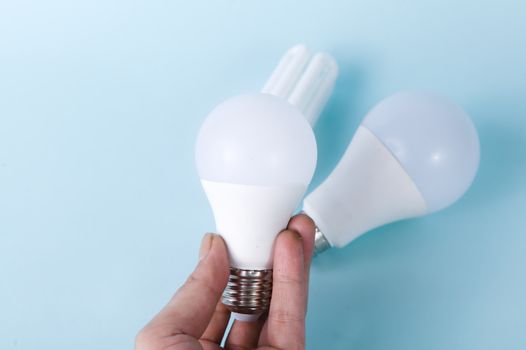
Before diving into specifics, it’s essential to understand the core concepts behind lighting sizing. Traditionally, people associated the brightness of a light bulb with its wattage. However, with LEDs, wattage is no longer a reliable indicator of brightness because LEDs are far more efficient than incandescent or fluorescent lights. Instead, the correct metric is lumens.
- $1 Lumens measure the actual light output—how much visible light a bulb emits. The higher the lumens, the brighter the light. - $1 Watts measure energy consumption. For LEDs, a 10-watt bulb can output as many lumens as a 60-watt incandescent bulb. - $1 This is the lumens produced per watt (lm/W). The higher the efficacy, the more efficient the light source.For example, a typical LED bulb produces about 80-100 lumens per watt, whereas incandescent bulbs deliver only about 15 lumens per watt. This means you can achieve the same brightness with far less energy using LEDs.
How to Calculate the Right LED Size for Any Room
Determining the correct LED lighting size for a space involves a few straightforward calculations. The process can be broken into three main steps:
1. $1 Multiply the length by the width to get the square footage. 2. $1 The Illuminating Engineering Society (IES) provides recommended lumen levels for various room types. For example: - Living Room: 10-20 lumens per square foot - Kitchen: 30-40 lumens per square foot - Bedroom: 10-20 lumens per square foot - Bathroom: 70-80 lumens per square foot (for task lighting) 3. $1 Multiply the room’s area by the recommended lumens per square foot.$1 If you have a 12 x 15-foot kitchen (180 sq. ft.), and you want bright, task-oriented lighting (let’s use 35 lumens per sq. ft.): 180 sq. ft. x 35 lumens = 6,300 lumens needed.
This total can be divided among multiple fixtures and bulbs, depending on your lighting design.
Practical Considerations for Different Spaces
Each type of space has unique lighting needs. Here’s how to approach sizing LED lighting for some of the most common environments:
Residential Spaces
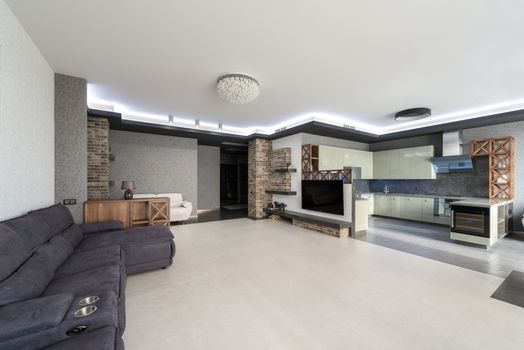
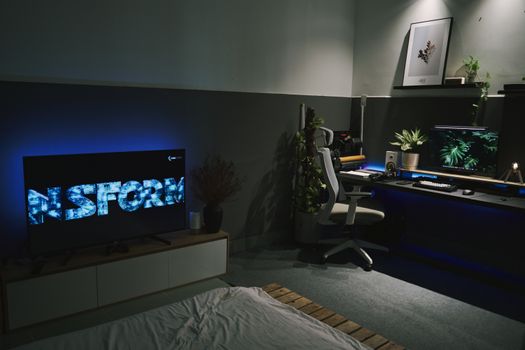
- $1 Comfort is key. Aim for softer, more diffused lighting, typically between 10-20 lumens per square foot. Use dimmable LEDs to adjust brightness for different activities. - $1 These spaces require higher light levels for tasks. Target 30-40 lumens per square foot in kitchens and up to 80 for bathroom vanities. - $1 Lower lumen levels (5-10 per square foot) are often sufficient, with emphasis on safety and navigation.Offices and Workspaces
Proper lighting boosts productivity and reduces eye strain. Offices generally require 30-50 lumens per square foot, depending on the type of work. Adjustable LED desk lamps can supplement overhead lighting for focused tasks.Commercial and Industrial Settings
Warehouses, workshops, and retail areas often need much higher lumen outputs. For instance, a warehouse might require 100 lumens per square foot for detailed assembly work, while general warehouse storage areas can suffice with 50 lumens per square foot.Comparing LED Lighting Needs by Space: A Data Overview
To make it easier to visualize how room type and function affect LED sizing, here’s a comparison table showing recommended lumen levels for various spaces:
| Space Type | Recommended Lumens per Sq. Ft. | Example Room Size (Sq. Ft.) | Total Lumens Needed |
|---|---|---|---|
| Living Room | 10-20 | 200 | 2,000 - 4,000 |
| Kitchen | 30-40 | 150 | 4,500 - 6,000 |
| Bedroom | 10-20 | 120 | 1,200 - 2,400 |
| Bathroom (Vanity) | 70-80 | 40 | 2,800 - 3,200 |
| Office | 30-50 | 100 | 3,000 - 5,000 |
| Warehouse (Detailed Work) | 100 | 1,000 | 100,000 |
As this table shows, the total lumens required can vary widely—even for rooms of similar size—depending on the function and use-case.
Tips for Optimizing LED Lighting Size and Placement
Choosing the right number of lumens is a great start, but other factors can affect how well your lighting performs:
- $1 Higher ceilings mean that light needs to travel further, so you may need more lumens or fixtures to achieve the same brightness at floor level. - $1 Light-colored walls and ceilings reflect more light, while darker surfaces absorb it. For rooms with dark finishes, consider increasing total lumens by 20-30%. - $1 Recessed lights, pendant fixtures, and sconces all distribute light differently. For even coverage, space fixtures evenly and avoid placing them too close to walls or in the center only. - $1 Use a combination of ambient (general), task, and accent lighting. This approach ensures that you can adjust the brightness for different activities and moods without over-illuminating the entire space. - $1 Dimmable LEDs and smart controls allow you to fine-tune brightness, tailoring light output to the time of day or specific needs.$1 According to the U.S. Department of Energy, using LED dimmers can reduce energy use by up to 20% in residential settings.
Common Mistakes to Avoid When Sizing LED Lights
Even with the best intentions, it’s easy to make mistakes when sizing LED lights. Here are some pitfalls to watch out for:
1. $1 Many people choose bulbs that are too dim, leading to eye strain and inadequate illumination. Always calculate based on both room function and size. 2. $1 Oddly-shaped rooms or those with high ceilings may need more fixtures or higher-lumen bulbs. 3. $1 Remember, wattage is not a measure of brightness with LEDs. Always check the lumen output. 4. $1 Rooms with abundant daylight may need less artificial lighting during the day, but require sufficient lumens for nighttime use. 5. $1 Every space is unique. Customize your approach based on the specific needs and characteristics of each area.$1 A common mistake is installing a single high-lumen fixture in a large room, which can create harsh shadows and uneven lighting. Instead, distribute multiple lower-lumen fixtures for balanced coverage.
Why Proper LED Sizing Makes a Difference
Properly sizing your LED lighting not only ensures comfort and functionality but also maximizes energy efficiency. According to a 2023 report by the International Energy Agency, LEDs now account for more than 50% of lighting sales worldwide, largely due to their efficiency and flexibility. Homes and businesses that optimize their LED lighting can reduce electricity use for lighting by up to 80% compared to traditional technologies.
Beyond energy savings, the right lighting size can improve mood, enhance safety, and make spaces more inviting. For businesses, well-lit environments promote productivity and can even influence customer perceptions and sales. For homeowners, tailored LED lighting transforms living spaces into comfortable, functional, and beautiful areas.