Choosing LED Lighting for Every Mood and Task: From Focused Reading to Complete Relaxation
Lighting is more than just a way to illuminate a room—it directly impacts how we feel, think, and perform daily activities. With the rise of energy-efficient LED lighting, homeowners and businesses now have unprecedented control over the quality and character of their environment. But not all LEDs are created equal, and selecting the right one for specific needs—whether it’s for intense reading, calming relaxation, or anything in between—requires understanding several key factors. This guide walks you through how to choose LED lighting tailored specifically to your unique activities and ambiance preferences.
The Science Behind LED Lighting and Human Perception
To make informed choices, it’s crucial to grasp the basics of how LED lighting affects human senses. LEDs, or Light Emitting Diodes, are popular for their efficiency and flexibility. Unlike traditional incandescent or fluorescent bulbs, LEDs can be fine-tuned across a spectrum of color temperatures and brightness levels.
Color temperature, measured in Kelvins (K), is a key determinant of how “warm” or “cool” light feels. For example, a 2700K bulb emits a cozy, yellowish glow reminiscent of candlelight, while a 5000K bulb provides a crisp, bluish-white light similar to daylight. The Color Rendering Index (CRI) is another essential measure, indicating how accurately a light source reveals colors compared to natural sunlight. LEDs with a CRI above 80 are generally considered good for everyday use, but task-specific needs may warrant even higher CRI ratings.
Studies show that lighting directly influences alertness, mood, and even circadian rhythms. The American Medical Association has noted that exposure to high-intensity blue-rich light at night can disrupt sleep patterns, while warmer, dimmer lighting supports relaxation and restful sleep.
Optimal LED Lighting for Reading: Clarity Without Eye Strain
Reading, whether it’s a gripping novel or dense technical material, demands lighting that promotes focus and minimizes fatigue. For reading tasks, consider these factors:
- $1 Proper illumination is essential. The Illuminating Engineering Society recommends 450-800 lumens for reading lamps, depending on age and visual acuity. - $1 A neutral to cool white light (3500K to 5000K) enhances contrast on the page and reduces eye strain, making it easier to distinguish text. For older adults, slightly higher color temperatures (up to 5000K) can help compensate for the natural yellowing of the lens in the eye. - $1 A CRI of 90 or above is ideal for reading, as it ensures that ink on paper appears true-to-life and reduces distortion.For example, Philips’ LED Desk Lamp with a 4000K setting and 600 lumens output has been praised for providing both clarity and comfort during extended reading sessions. Additionally, adjustable LED lamps allow users to customize brightness and temperature for their specific preferences and time of day.
Creating the Perfect Ambiance for Relaxation with LEDs
When it’s time to unwind, lighting should foster comfort and tranquility. The wrong lighting—too bright, too harsh, too cool—can keep the mind overly alert or even cause headaches.
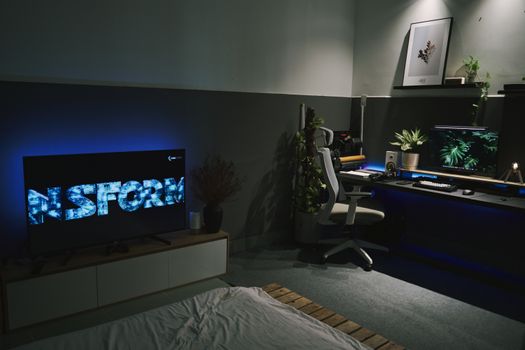
- $1 Lower lumen levels (150-300 lumens per fixture for accent lighting) are sufficient for relaxation zones such as living rooms or bedrooms. - $1 Aim for “warm white” (2700K to 3000K) lighting, which mimics sunset tones and signals to the brain that it’s time to wind down. Studies from Harvard University have shown that warm lighting in the evening supports melatonin production, promoting better sleep. - $1 Dimmable LEDs are especially valuable, as they allow you to tailor the intensity to the mood—bright enough for a quiet conversation, but soft enough for a movie night.Smart LED bulbs, such as those from LIFX or Philips Hue, let users adjust color and brightness via smartphone or voice assistant, making it simple to transition from vibrant activity to soothing relaxation with a tap or command.
Specialized LED Lighting for Work, Study, and Creative Tasks
Different activities require different lighting “prescriptions.” For focused work or creative tasks like drawing, crafting, or computer use, lighting needs shift yet again.
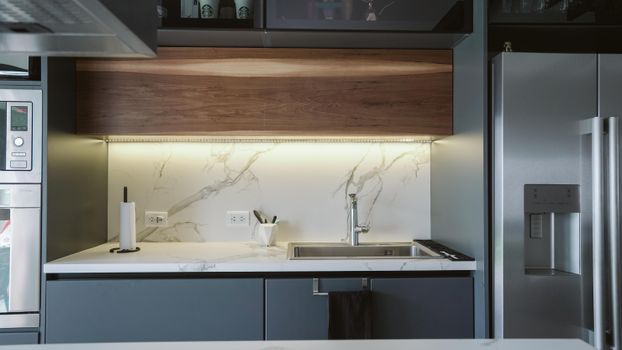
- $1 Directional LED desk lamps or under-cabinet strips ensure light is targeted where it’s needed, reducing shadows and glare. - $1 Daylight-mimicking LEDs (4000K-6500K) support concentration and alertness. According to a 2022 study in the Journal of Environmental Psychology, cooler, brighter light increased accuracy and reduced fatigue in office workers by 15%. - $1 Artists and designers should opt for LEDs with a CRI above 90 to ensure accurate color representation, which is critical for tasks like photo editing or painting.If you work from home, layering general ambient LEDs with focused task lighting can provide flexibility—using 4000K overhead panels for daytime alertness and switching to 3000K desk lamps as the evening approaches.
Comparing LED Lighting Options: What’s Best for Each Use?
With so many choices on the market, it can be tough to know which LED fits which need. The table below summarizes the ideal characteristics for common tasks and spaces:
| Activity/Space | Recommended Brightness (Lumens) | Color Temperature (Kelvin) | CRI | Special Features |
|---|---|---|---|---|
| Reading | 450-800 | 3500K-5000K | 90+ | Adjustable arm, glare reduction |
| Relaxation (Living Room/Bedroom) | 150-300 (per fixture) | 2700K-3000K | 80+ | Dimmable, smart controls |
| Work/Study | 500-1000 | 4000K-6500K | 85+ | Task lighting, flicker-free |
| Art/Design | 700-1200 | 5000K-6500K | 90+ | High CRI, adjustable color |
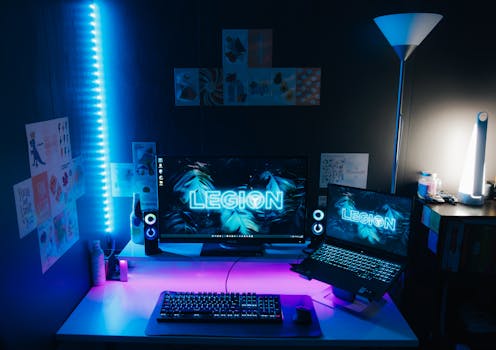
| Accent/Decorative | 100-200 | Varies (RGB or 2700K-3000K) | 80+ | Color changing, remote control |
This table illustrates that the “best” LED lighting is not universal; it’s all about matching technical specifications with your personal needs and intended uses.
Smart LEDs and Scene Customization: The Future of Personalized Lighting
One of the most exciting advancements in LED technology is the rise of smart lighting systems. These allow for precise control over every aspect of your lighting environment—from brightness to color temperature to timing. According to Statista, by 2023, over 250 million smart LED lights were installed in homes and businesses worldwide, reflecting a rapidly growing demand for tailored lighting experiences.
Smart LEDs can be programmed with “scenes” for different activities: a bright, cool scene for working or reading, and a dim, warm scene for relaxation or movie nights. Some systems even use sensors to automatically adjust lighting based on time of day or occupancy. For example, a morning routine might start with a gentle increase in brightness and color temperature, simulating sunrise to help you wake up naturally.
Leading brands like Philips Hue, Nanoleaf, and Yeelight offer bulbs and panels that integrate with popular smart home platforms such as Google Home, Amazon Alexa, and Apple HomeKit. These solutions are not just about convenience—they can support health, productivity, and well-being by providing the right light at the right time.
Final Thoughts: Matching LED Lighting to Your Lifestyle
Choosing the right LED lighting is about more than just wattage or design. It’s about understanding how light quality, color, and brightness affect your daily tasks and moods. Whether you’re aiming for peak focus while reading, a calm setting for relaxation, or vibrant illumination for creative work, there’s an LED solution tailored to your needs.
The flexibility of LED technology—offering a wide range of color temperatures, brightness levels, and smart features—means you never have to settle for one-size-fits-all lighting. By considering the science behind lighting and your own lifestyle, you can create spaces that are as functional as they are inviting.