Lighting design has always played a pivotal role in shaping the atmosphere, style, and functionality of modern interiors. With the rapid advancements in LED technology over the past decade, designers and homeowners now enjoy unprecedented flexibility and creativity. The new wave of LED lighting design trends is not just about energy efficiency and longevity—it’s about crafting immersive environments, enhancing health and wellbeing, and seamlessly blending aesthetic with cutting-edge tech. Let’s explore the latest trends in LED lighting design for modern interiors and discover how they’re transforming homes, offices, and public spaces in 2024.
Human-Centric Lighting: Enhancing Wellbeing with LEDs
One of the most significant trends in LED lighting design is the focus on human-centric lighting (HCL). Unlike conventional lighting, HCL systems use tunable white LEDs to mimic natural daylight patterns, supporting our biological rhythms and overall wellbeing.
Research from the Lighting Research Center shows that exposure to appropriate lighting can improve mood, productivity, and even sleep quality. Human-centric LED systems adapt their color temperature and intensity throughout the day—warmer tones in the morning and evening, cooler, brighter light during midday—mirroring the sun’s natural progression.
For example, the Philips Hue White Ambiance range allows users to set schedules that adjust the color temperature from a cozy 2200K up to a crisp 6500K. In office environments, studies have revealed that dynamic LED lighting can boost productivity by up to 12% and reduce fatigue. In residential settings, HCL helps regulate circadian rhythms, making it ideal for bedrooms, living rooms, and home offices.
Minimalist and Invisible Lighting: Seamlessly Integrated LEDs
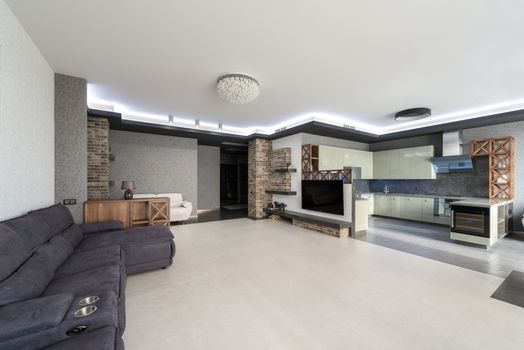
Modern interior design is increasingly favoring minimalist aesthetics—think clean lines, open spaces, and unobtrusive fixtures. LED technology makes this possible like never before, thanks to its compact size and versatile form factors. The latest trend is “invisible lighting”: fixtures that blend seamlessly into architectural elements.
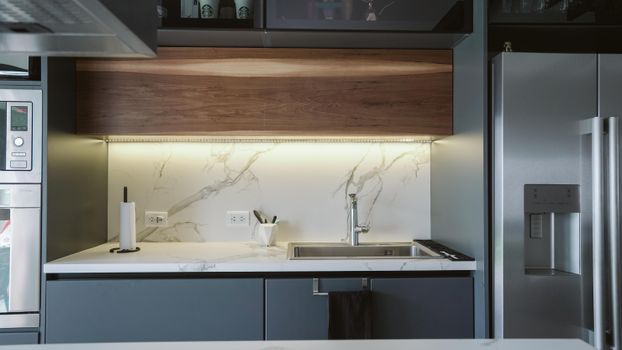
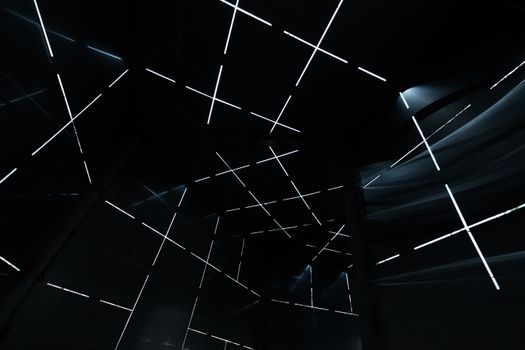
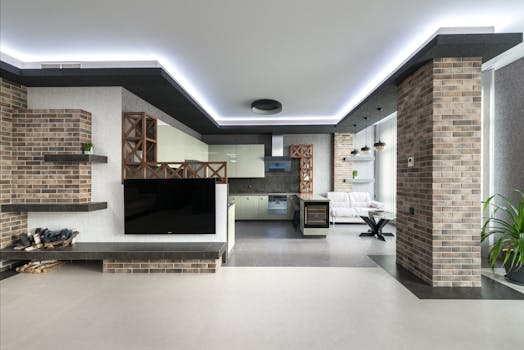
Popular approaches include cove lighting, recessed linear LEDs, and micro-spotlights that are flush with ceilings or walls. For example, linear LED profiles can be embedded in wall grooves, under floating stairs, or along the edges of cabinets, creating a soft, continuous glow without visible bulbs or hardware.
This invisible integration is especially prominent in luxury interiors, where the focus is on highlighting textures, materials, and architectural features rather than the lighting itself. The result? Spaces that feel airy, sophisticated, and effortlessly illuminated.
Smart and Adaptive Lighting: Control at Your Fingertips
The rise of smart home technology has revolutionized LED lighting design. Today’s LED systems are more than just light sources—they’re interactive, adaptive, and highly customizable. Smart LEDs can be controlled via smartphones, voice commands, or even motion sensors, allowing users to tailor the lighting to their exact needs and moods.
Key features of smart LED systems include:
- $1 Instantly change from “dinner party” to “movie night” with a tap. - $1 Choose from millions of colors or adjust white light temperature. - $1 Set lights to turn on at sunset, fade out at bedtime, or simulate occupancy for security.According to Statista, by 2023 over 300 million households worldwide used smart home devices, with LED lighting among the most popular. Brands like LIFX and Nanoleaf offer modular panels and bulbs that sync with music or react to environmental cues, enabling creative expression and energy savings.
Smart LED lighting is also making waves in commercial and hospitality design. Adaptive systems can adjust lighting in response to daylight availability, occupancy, or activity, reducing energy use by up to 60% compared to traditional systems.
Artistic and Customizable LED Fixtures: Lighting as a Statement
Another standout trend in LED lighting design is the move toward artistic, customizable fixtures that double as sculptural elements. Today’s LEDs are not just hidden—they’re celebrated as visual centerpieces.
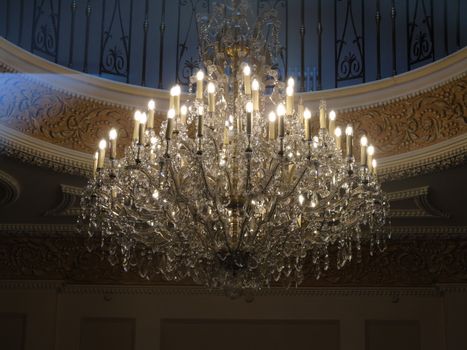
Manufacturers now offer intricate LED chandeliers, geometric pendant lights, and modular wall sconces that can be arranged in unique patterns. For example, Volta’s modular LED pendants can be grouped to create bespoke installations, while brands like Artemide and Tom Dixon use LEDs in bold, experimental shapes.
Customizable LED strips and panels can be cut to length, bent, or even 3D-printed to fit specific spaces. This has opened the door to personalized solutions, such as illuminated headboards, under-sofa glows, or interactive wall art. As a result, lighting is no longer a mere afterthought—it’s a primary design feature that reflects personality and enhances ambiance.
Sustainability and Energy Efficiency: The Eco-Friendly Edge
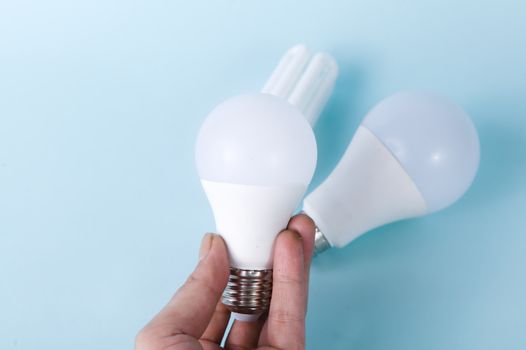
While design and functionality take center stage, sustainability remains a core driver in LED lighting trends. Compared to incandescent bulbs and compact fluorescents, LEDs use up to 85% less energy and last up to 25 times longer. This not only reduces electricity bills but also cuts down on landfill waste.
In 2022, the International Energy Agency estimated that global LED adoption saved over 1,500 terawatt-hours of electricity—a reduction equivalent to the annual energy use of the entire European Union. Modern LED fixtures are also increasingly made with recyclable materials and low-VOC finishes, aligning with the eco-conscious values of today’s homeowners and businesses.
For those looking to compare the efficiency and lifespan of different lighting types, the table below provides a clear snapshot:
| Lighting Type | Average Lifespan (hours) | Energy Use (Watts) | Annual Cost (per bulb, $) |
|---|---|---|---|
| Incandescent | 1,000 | 60 | 8.22 |
| Compact Fluorescent (CFL) | 8,000 | 13-15 | 1.83 |
| LED | 25,000+ | 8-10 | 1.20 |
As the table shows, LEDs outperform other technologies across all key metrics, making them the clear choice for sustainable modern interiors.
Color and Mood Innovation: Beyond the White Light
The creative possibilities of LED lighting are expanding far beyond simple white illumination. Designers are embracing RGBW (Red, Green, Blue, White) and full-spectrum LEDs to introduce color-changing effects and dynamic scenes.
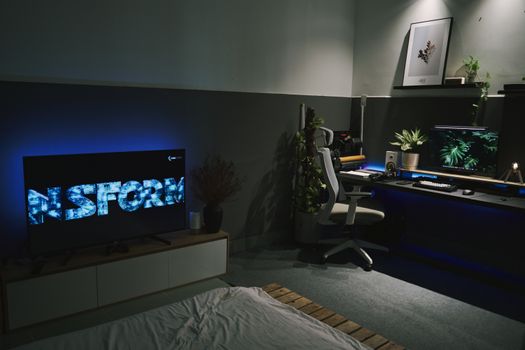
In 2024, color psychology plays a growing role in interior lighting design. Soft blues and greens promote relaxation in bedrooms and spas, while energizing reds and oranges add vibrancy to kitchens or gyms. Interactive installations, such as LED backlit panels with touch controls, are appearing in high-end homes and boutique hotels.
Moreover, LEDs can now produce high color rendering index (CRI) values—often above 90—ensuring that colors, fabrics, and artwork appear true-to-life. This is a game-changer for spaces like galleries, retail stores, and residential interiors with rich palettes.
Final Thoughts: Embracing the Future of LED Lighting Design
The latest trends in LED lighting design for modern interiors reflect a blend of technology, artistry, and sustainability. From human-centric systems that enhance wellbeing, to invisible installations that redefine minimalism, and smart fixtures that put control in your hands, LEDs are revolutionizing how we experience and interact with our spaces.
As costs continue to fall and technology advances, we can expect even more innovation—think voice-activated mood lighting, fully customizable fixtures, and seamless integration with IoT devices. Whether you’re renovating a home, designing a modern office, or curating a boutique hospitality space, embracing these trends will ensure your interiors are both functional and truly inspiring.