LED Lighting and Its Role in Interior Design: Shaping Spaces with Innovation
The world of interior design has undergone a luminous transformation over the past decade, and at the heart of this shift is the evolution of LED lighting. No longer just a practical solution for brightening rooms, LED lights have become a versatile and creative tool that designers and homeowners use to sculpt ambiance, highlight architectural features, and define the very mood of a space. As LED technology becomes more advanced, affordable, and customizable, its impact on interior aesthetics and functionality only grows stronger.
This article explores the dynamic relationship between LED lighting and interior design, examining how LEDs have changed the way we experience spaces, the new design possibilities they unlock, their measurable benefits, and practical examples of their application in homes and commercial spaces alike.
The Rise of LED Lighting in Design: A Game Changer
LEDs (Light Emitting Diodes) have revolutionized the interior design world since their mainstream introduction in the early 2000s. Unlike traditional incandescent or fluorescent lights, LEDs offer an unparalleled combination of energy efficiency, compactness, and flexibility. According to the U.S. Department of Energy, the adoption of LED lighting in the United States has reduced energy consumption for lighting by 5% as of 2023, saving households and businesses billions of dollars annually.
But the impact of LEDs in interior design extends far beyond energy savings. Their tiny size means they can be integrated in ways that were previously impossible, from ultra-thin ceiling panels to dramatic cove lighting. LEDs can produce a full spectrum of colors without filters or gels, and their brightness and color temperature can be precisely controlled to suit any mood or activity.
These features have empowered designers to move away from static, uniform lighting and instead create layered, dynamic environments. Whether in a modern loft apartment or a luxury hotel lobby, LEDs have become a critical element in shaping how we perceive and interact with interior spaces.
Design Flexibility: Creating Ambiance and Zones with LEDs
One of the most powerful contributions of LED lighting to interior design is the ability to create distinct zones and atmospheres within a single space. Unlike conventional lighting, which often casts a uniform glow, LEDs allow for nuanced control over both intensity and hue.
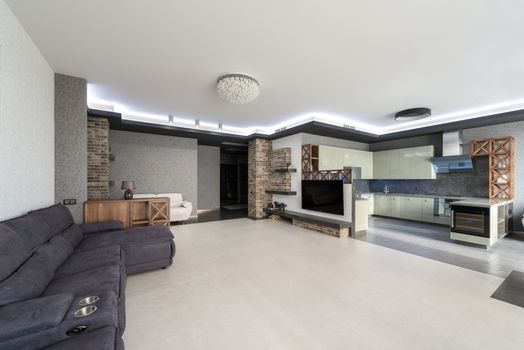
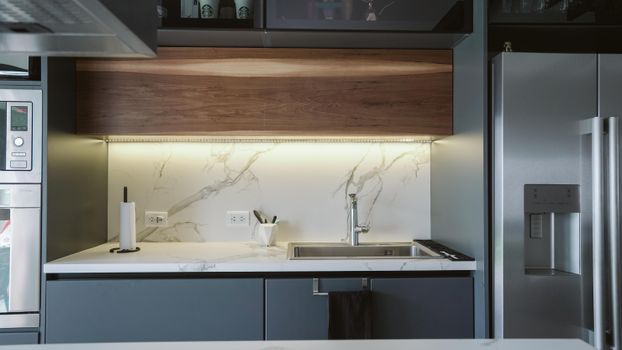
For example, in open-plan living areas, LEDs can subtly delineate the kitchen, dining, and relaxation zones without the need for physical partitions. A warm, dimmable LED strip under cabinets may invite intimacy in the dining area, while cooler, brighter LEDs above work surfaces ensure optimal visibility in the kitchen.
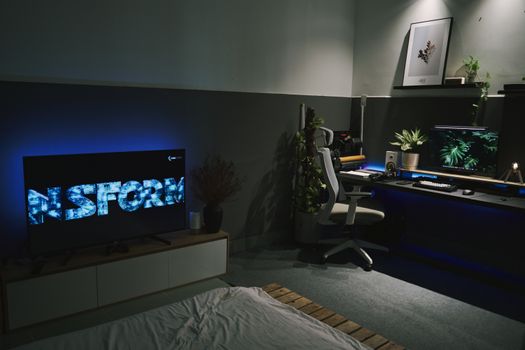
Color-changing (RGB) LEDs offer even more creative possibilities. Homeowners can set the mood for a dinner party with soft amber lights or energize a workspace with cool blue tones. In commercial spaces, dynamic LED installations can reinforce branding or guide visitor movement. According to a 2022 survey by Houzz, 74% of homeowners who renovated their kitchens installed layered LED lighting to enhance both function and ambiance.
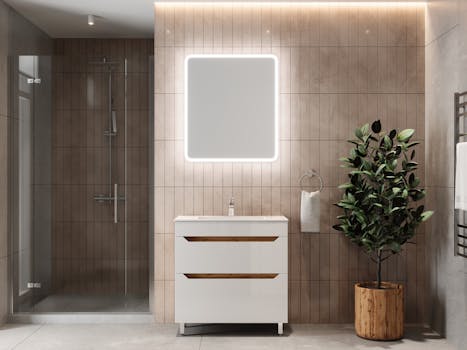
Furthermore, LEDs excel at accent lighting. Their tiny form factor allows them to be installed in niches, behind mirrors, or within shelving to highlight artwork, architectural details, or prized collections—drawing the eye exactly where the designer intends.
Health, Wellness, and Human-Centric Lighting
Beyond aesthetics, LED lighting is increasingly recognized for its impact on health and wellbeing. The concept of human-centric lighting involves tuning indoor lighting to mimic natural daylight patterns, which has been shown to support circadian rhythms, improve sleep quality, and boost productivity.
LEDs make human-centric lighting practical and affordable. With tunable white LEDs, light color temperature can automatically shift from cool white in the morning (promoting alertness) to warm white in the evening (encouraging relaxation). A study published in the Journal of Environmental Psychology in 2021 found that office workers exposed to dynamic LED lighting reported 18% higher job satisfaction and a 12% reduction in fatigue compared to those under static fluorescent lighting.
In residential design, human-centric LED systems can be programmed to support occupants’ daily routines—waking them gently with sunrise-like light or winding down with sunset hues. This is particularly beneficial in spaces with limited natural light, such as inner-city apartments or basement rooms, where LEDs can simulate daylight cycles and support overall well-being.
Efficiency, Longevity, and Environmental Impact
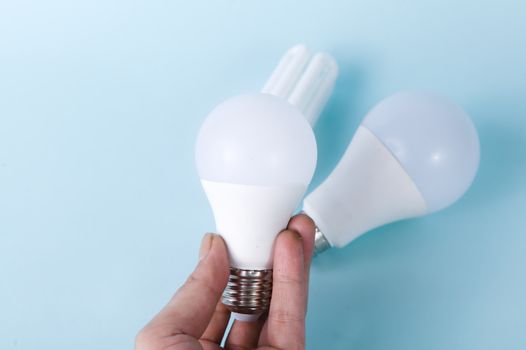
While the aesthetic and wellness benefits of LED lighting are substantial, their practical advantages are equally compelling. LEDs are vastly more energy-efficient than traditional lighting technologies. A standard 10-watt LED bulb can produce as much light as a 60-watt incandescent bulb, using 80% less electricity. Over a typical 15-year lifespan, a single LED bulb can save around $80 in energy costs compared to an incandescent equivalent.
LEDs also have a much longer operational life. According to Energy Star, the average LED light lasts up to 25,000 hours—more than 20 times longer than incandescent bulbs and 3-5 times longer than compact fluorescents. This means fewer replacements, less maintenance, and reduced landfill waste.
From an environmental perspective, LEDs contain no hazardous mercury (unlike fluorescent tubes), and many manufacturers now offer recyclable fixtures. The table below highlights key differences between LED lighting and traditional options:
| Feature | LED | Incandescent | Compact Fluorescent (CFL) |
|---|---|---|---|
| Average Lifespan (hours) | 25,000 | 1,200 | 8,000 |
| Energy Consumption (watts, for 800 lumens) | 10 | 60 | 13-15 |
| Mercury Content | None | None | Yes |
| Recyclability | High | Low | Medium |
| Color Options | Extensive (RGB, tunable white) | Limited | Limited |
Integrating LED Lighting Into Modern Interiors: Case Studies
The versatility of LED lighting is best illustrated through real-world design projects. Here are three examples showcasing different approaches:
1. Urban Loft Apartment, New York City: In a stylish Manhattan loft, designers used recessed LED strips to outline exposed brick walls and industrial ceiling beams. The result is a space that feels both contemporary and cozy, with the lighting accentuating architectural textures and creating a warm urban vibe. 2. Boutique Hotel, Barcelona: A boutique hotel in Barcelona used programmable RGB LED panels behind frosted glass headboards in each guest room. Guests can personalize the color and intensity of their room lighting through an app, transforming the mood to match their preferences—an innovative way to enhance guest experience and brand differentiation. 3. Smart Home Integration, Berlin: In a Berlin family home, a smart LED lighting system adjusts throughout the day based on occupancy, natural light levels, and scheduled routines. The living area features layered LEDs in coves and shelves, while bathrooms are fitted with mirror-integrated LEDs that provide flattering, shadow-free illumination. This approach not only boosts comfort and energy savings but also adds a futuristic feel to the home.These examples underscore how LED lighting can be tailored to complement any interior style—from industrial chic to ultra-modern minimalism—while offering practical benefits that go beyond traditional lighting solutions.
LED Lighting Trends in Interior Design for 2024 and Beyond
As LED technology continues to advance, designers are leveraging new capabilities to push creative boundaries. Several trends are shaping the future of interior lighting:
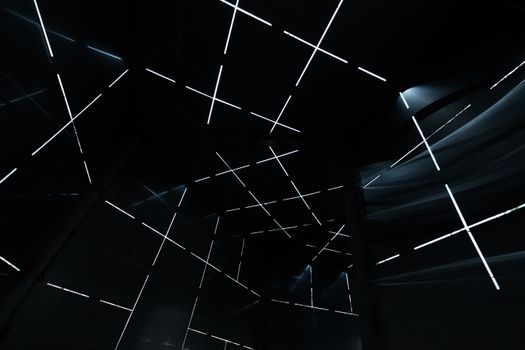
- $1 Ultra-slim LED profiles and edge-lit panels are being used to create “invisible” light sources that blend seamlessly into architecture, making the light itself the focus, rather than the fixture. - $1 LEDs are increasingly used to support indoor plant life, with tunable spectra that enhance plant growth and wellbeing—blurring the lines between lighting and living elements. - $1 Customizable LED modules enable designers to create dramatic, sculptural lighting installations that double as artwork, adding a unique signature to residential and commercial spaces. - $1 Smart LEDs are now widely integrated into home automation systems, allowing users to adjust lighting scenes with a voice command or smartphone tap—offering unmatched convenience and personalization.According to market research by Grand View Research, the global smart lighting market (dominated by LED technology) is projected to reach $38.7 billion by 2027, growing at a compound annual rate of 14.6%. This rapid adoption signals that LED lighting will play an even more central role in the interiors of tomorrow.
Final Thoughts on LED Lighting in Interior Design
LED lighting is much more than a practical upgrade—it's a powerful design tool that shapes how we live, work, and feel within our spaces. Its flexibility, efficiency, and adaptability have inspired a new era of interior environments that are not only beautiful but also supportive of human health, sustainable living, and technological innovation.
Whether you’re renovating a single room or designing a commercial masterpiece, integrating LED lighting opens up a world of creative possibilities. As technology evolves, the boundaries between light, architecture, and human experience will continue to blur, making LEDs an indispensable part of the modern design palette.