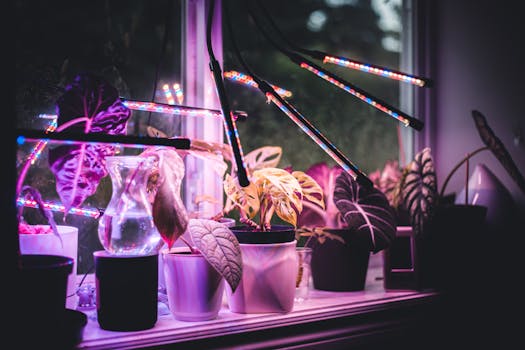
LED Lighting for Plants: A Guide to Thriving Indoor Gardens
Whether you’re an urban dweller with no backyard or a plant enthusiast looking to enhance your greenery’s health and yield, LED lighting for plants has revolutionized indoor gardening. As concerns about food security, sustainability, and year-round cultivation grow, more people are turning to artificial lighting to support their plants. But how does LED lighting work for plants? What makes it superior to traditional options? And how can you choose the right system for your needs? This guide explores the science, benefits, and practicalities of LED lighting for plants, helping you nurture a flourishing indoor garden.
The Science Behind LED Lighting for Plants
Plants rely on light for photosynthesis, the process by which they convert light energy into chemical energy to fuel growth. However, not all light is created equal. Plants are most sensitive to certain wavelengths—primarily in the blue (400-500 nm) and red (600-700 nm) regions of the spectrum. Sunlight provides a full spectrum of light, but indoor environments often fall short, especially during winter or in spaces without natural sunlight.
LED grow lights are specifically engineered to emit light at wavelengths most useful to plants. Unlike incandescent or fluorescent bulbs, which waste energy as heat or emit unnecessary wavelengths, LEDs can be fine-tuned to deliver optimal spectra for different stages of plant development. For example, blue light encourages vegetative leaf growth, while red light promotes flowering and fruiting.
According to a 2021 study by the Journal of Horticultural Science & Biotechnology, plants grown under tailored LED spectra showed up to 40% greater biomass compared to those under traditional fluorescent lighting. This precision makes LEDs highly effective for supporting healthy, vigorous plant growth indoors.
Types of LED Grow Lights: What Are Your Options?
The LED grow light market has expanded rapidly in the last decade, offering diverse options for hobbyists and commercial growers alike. Understanding the main types can help you select the best system for your plants and space.
Panel LEDs: These are flat arrays, often with adjustable spectra, suitable for covering larger growing areas such as shelves or grow tents. They’re popular for vegetable gardens or multiple houseplants.
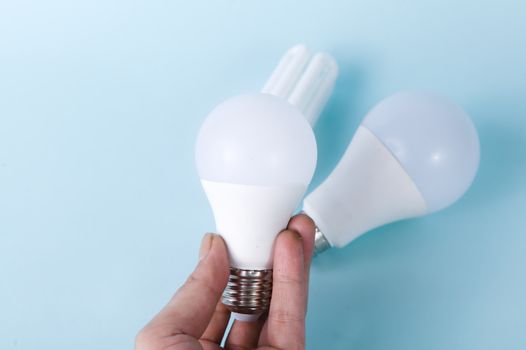
LED Bulbs: Shaped like conventional bulbs, these are ideal for small projects or supplementing natural light. They’re easy to install in standard light fixtures.
COB (Chip-on-Board) LEDs: These cluster many tiny LED chips into a single module, producing intense light with high efficiency. COB LEDs are favored for their strong penetration, making them excellent for taller plants or dense canopies.
Bar LEDs: These slim, linear lights are perfect for mounting under shelves or in vertical gardens. They ensure even light distribution and are often used in professional hydroponic setups.
Depending on your needs, you may want full-spectrum LEDs (mimicking sunlight for all stages of growth) or spectrum-specific models (blue-heavy for leafy greens, red-heavy for flowering).
LED Lighting vs. Traditional Grow Lights: A Comparison
Choosing LED lighting over traditional options like fluorescent, high-pressure sodium (HPS), or metal halide lamps can have a significant impact on your plants—and your wallet. The table below highlights key differences:
| Feature | LED Grow Lights | Fluorescent Lights | HPS/Metal Halide |
|---|---|---|---|
| Energy Efficiency | Up to 90% more efficient than incandescent | Moderate | Low |
| Heat Output | Very Low | Moderate | High |
| Lifespan | 50,000+ hours | 10,000-20,000 hours | 8,000-24,000 hours |
| Light Spectrum Control | Highly customizable | Limited | Limited |
| Initial Cost | Higher | Lower | Moderate |
| Operating Cost | Low | Moderate | High |
A 2022 report by the U.S. Department of Energy found that switching to LED grow lights could reduce energy consumption in controlled-environment agriculture by up to 40%. The reduced heat output also lowers cooling costs, making LEDs ideal for home growers concerned about utility bills and plant health.
Setting Up LED Lights for Your Indoor Plants
To get the most from LED lighting, it’s important to understand setup basics—placement, intensity, and duration. Here are key considerations:
Distance from Plants: LED grow lights should be positioned 12-24 inches above the plant canopy. Too close, and you risk light burn; too far, and plants may stretch and become leggy.
Light Intensity: Different plants have varying needs. Leafy greens like lettuce thrive at 100-200 µmol/m²/s (a measure of photosynthetic photon flux density), while fruiting crops like tomatoes need 400-700 µmol/m²/s. Most consumer LED panels list their intensity ratings.
Photoperiod: Most plants require 12-16 hours of light per day. Use a timer to ensure consistent, optimal lighting cycles.
Coverage Area: Check the manufacturer’s specifications for coverage. For example, a 100-watt LED panel typically covers a 2x2 foot area.
Ventilation: Although LEDs emit little heat, good airflow prevents mold and ensures healthy transpiration.
A 2023 survey of urban gardeners found that 76% of those who switched to LED lighting reported improved plant growth and fewer issues with pests and diseases, thanks in part to better environmental control.
Benefits of LED Lighting for Plant Growth and Sustainability
LEDs offer a host of advantages over traditional grow lights, both for plant health and environmental impact.
Energy Savings: LEDs convert most of their energy into usable light for plants, unlike other bulbs that waste energy as heat. This efficiency can cut electricity costs dramatically—some studies report savings of $150 or more per year for home growers.
Longevity: With lifespans exceeding 50,000 hours, LED grow lights rarely need replacement. This reduces waste and maintenance, making them especially attractive for long-term projects and commercial operations.
Reduced Heat Stress: Lower heat output means plants can be grown closer to the light source without risk of scorching, enabling more compact setups and less need for supplemental cooling.
Environmental Impact: Because they use less energy and last longer, LEDs help reduce carbon emissions. In commercial settings, transitioning to LED systems has been linked to a 25% reduction in greenhouse gas emissions from indoor agriculture.
Customization: Many modern LED grow lights offer adjustable spectra, allowing growers to tailor lighting to each growth stage. This increases yields and supports year-round cultivation of a wider variety of crops.
Common Mistakes and How to Avoid Them with LED Grow Lights
Despite their benefits, improper use of LED grow lights can hinder plant growth. Here are some frequent pitfalls and how to avoid them:
Using the Wrong Spectrum: Plants need different light spectra at different stages. Seedlings benefit from blue light, while mature plants need more red light. Choose a full-spectrum or adjustable light if you’re growing different crops.
Overexposing Plants: More light isn’t always better. Excessive exposure, especially at high intensities, can cause leaf burn or stunted growth. Follow manufacturer guidelines and monitor your plants for signs of stress.
Ignoring Plant Spacing: Overcrowding can lead to uneven light distribution, with some plants overshadowed and others overexposed. Arrange plants to match the coverage area of your LED system.
Neglecting Light Maintenance: Dust and debris on LED panels can reduce light output by up to 15%. Clean your lights regularly to ensure maximum efficiency.
Failing to Adjust with Growth: As plants grow, their light needs change. Adjust the height and intensity of your LEDs to accommodate growth and maximize yields.
Final Thoughts on LED Lighting for Plants
LED lighting has become a game-changer for indoor plant enthusiasts and commercial growers alike, offering precision, efficiency, and sustainability unmatched by traditional lighting. By understanding how LEDs support photosynthesis, selecting the right type for your needs, and setting up your system correctly, you can enjoy thriving plants all year round—regardless of natural light availability.
With global interest in urban gardening and sustainable food production on the rise, investing in quality LED grow lights is a smart step for anyone looking to cultivate healthy, vibrant plants indoors.