LED Lighting and Its Impact on Sleep Quality: How to Choose Bedroom Lighting
Sleep is a cornerstone of health and wellbeing, yet millions of people worldwide report not getting enough restful sleep. While many factors contribute to sleep quality—including stress, diet, and lifestyle—one often-overlooked aspect is bedroom lighting. With the rapid adoption of LED lighting in homes, understanding how different types of light affect sleep has become more important than ever. This article explores the science behind LED lighting and its impact on sleep, offers practical guidance for choosing the best LED bedroom lighting, and provides actionable tips to transform your nighttime environment for better rest.
The Science of Light and Sleep: Understanding Circadian Rhythms
To appreciate how LED lighting influences sleep, it helps to understand circadian rhythms—our body’s internal 24-hour clock. This rhythm is regulated by external cues, with light being the most powerful. The human body evolved to wake with the sunrise and wind down with sunset, responding to the natural changes in daylight.
Exposure to light, especially blue light, suppresses the production of melatonin, a hormone that signals our body to sleep. A 2017 Harvard Medical School study found that blue light exposure at night can suppress melatonin production by twice as much as green light, and can shift circadian rhythms by up to three hours. This means that the color temperature and brightness of your bedroom lights can directly impact your ability to fall asleep and stay asleep.
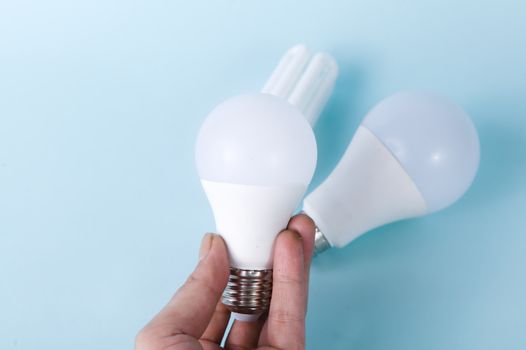
LED bulbs, which are now the standard in most homes, can emit a wide range of light spectra. Many LEDs, especially those labeled as “cool white” or “daylight,” emit significant blue light. Without proper selection and usage, these LEDs can inadvertently disrupt your sleep cycle.
LED Lighting: Types, Color Temperatures, and Their Effects on Sleep
Not all LED lighting is created equal. The key specifications that affect sleep are color temperature and brightness, both of which are noted on bulb packaging.
Color temperature is measured in Kelvins (K) and determines whether a light appears warm (yellowish) or cool (bluish). Here’s a quick overview:
- Warm White (2,700K–3,000K): Mimics the golden glow of sunset, lower in blue wavelengths. - Neutral White (3,500K–4,100K): Balanced, similar to mid-morning daylight. - Cool White/Daylight (5,000K–6,500K): Bright, crisp, and high in blue wavelengths.For sleep-friendly bedroom lighting, warm white LEDs are strongly recommended. A 2019 study published in the journal $1 found that participants exposed to 2,700K lighting before bedtime fell asleep significantly faster than those exposed to 6,500K lighting.
Brightness, measured in lumens, is also crucial. Overly bright lighting in the evening can confuse your body’s natural cues for winding down. The Illuminating Engineering Society (IES) recommends bedroom lighting levels between 100 and 300 lumens per square meter (lux) in the hours leading up to sleep.
| LED Type | Color Temperature (Kelvin) | Blue Light Content | Recommended for Bedrooms? |
|---|---|---|---|
| Warm White | 2,700K–3,000K | Low | Yes |
| Neutral White | 3,500K–4,100K | Medium | With Caution |
| Cool White/Daylight | 5,000K–6,500K | High | No |
How LED Lighting Choices Can Disrupt or Improve Sleep
The flexibility of LED lighting is both a benefit and a potential pitfall. Many people unknowingly choose bright, cool-white LEDs for their bedrooms, thinking brighter is better. However, this can lead to increased alertness late into the evening, making it harder to fall asleep.
A 2021 survey by the Sleep Foundation found that 81% of people use electronic devices (which also emit blue light) in the hour before bed. When combined with blue-rich bedroom lighting, this exposure can dramatically reduce melatonin levels, leading to poorer sleep quality, more frequent awakenings, and a feeling of grogginess in the morning.
On the other hand, carefully selected LED lighting can enhance relaxation and support healthy sleep. For example, some smart LED bulbs allow you to adjust both color temperature and brightness. By dimming the lights to warm white in the evening, you create an environment that signals your body to prepare for rest.
Practical Tips for Choosing and Using LED Bedroom Lighting
Selecting the right LED lighting for your bedroom requires more than just picking a bulb off the shelf. Here are actionable steps to create a sleep-friendly lighting environment:
1. $1 Look for bulbs with a color temperature between 2,700K and 3,000K. These are often labeled as “soft white” or “warm white.” Avoid bulbs labeled “daylight” or with a color temperature above 4,000K. 2. $1 Dimmable LEDs let you lower the brightness in the evening, mimicking the gradual fading of natural light at sunset. This gradual reduction in light intensity signals your body that bedtime is approaching. 3. $1 Instead of relying on a single overhead fixture, combine different sources—such as bedside lamps, wall sconces, and accent lights. This allows for more nuanced control and helps avoid harsh, direct illumination. 4. $1 Many smart bulbs and systems (like Philips Hue or LIFX) offer customizable schedules. You can program lights to transition from brighter, cooler tones during the day to dim, warm tones in the evening, automatically supporting your natural rhythms. 5. $1 Try to dim lights at least 60 minutes before you plan to sleep. Consider switching to even lower-light sources, like salt lamps or LED candles, which emit minimal blue light. 6. $1 Avoid placing bright lights directly above the bed. Indirect lighting, such as uplights or wall washers, creates a softer ambiance and reduces glare.Special Cases: Children, Seniors, and Shift Workers
Certain groups are more sensitive to lighting conditions and may need tailored solutions:
- $1 Young people’s eyes are more sensitive to blue light. Pediatric sleep experts recommend extra caution, especially with nightlights and reading lamps. Choose the warmest, lowest-brightness LEDs available, and avoid screens before bed. - $1 As we age, our eyes let in less light, and circadian rhythms can become less robust. Seniors may benefit from brighter daytime lighting to boost mood and alertness but should still switch to warm, dim lighting in the evening. - $1 People who work non-traditional hours face unique challenges. Smart lighting can be a powerful tool here—using bright, cool LEDs to promote wakefulness when needed, and warm, dim lighting to signal rest, regardless of the time of day.Emerging Technologies: LEDs That Support Better Sleep
The lighting industry has responded to growing awareness about light and sleep with innovative products. Several companies now offer “circadian” or “tunable” LED bulbs designed to shift spectrum and brightness throughout the day.
For example, GE’s C-Sleep bulb and Philips Hue White Ambiance bulbs are engineered to emit less blue light in the evening, and more during the day. Some bulbs even have built-in settings for “relax” or “night” modes, which automatically select the most sleep-friendly output.
A 2022 review in $1 highlighted that dynamic lighting systems, which adjust both intensity and color temperature according to time of day, can improve sleep quality and overall wellbeing in both home and healthcare settings.
If you’re investing in new lighting, consider these advanced options for optimal sleep support.
Final Thoughts: Creating a Restful Bedroom with LED Lighting
The shift to LED lighting brings many benefits—energy efficiency, long lifespan, and design flexibility—but it also calls for more thoughtful selection, especially in spaces dedicated to rest. By understanding how color temperature, brightness, and timing affect your sleep, you can make informed choices that transform your bedroom into a sanctuary of restorative sleep.
Remember: opt for warm white LEDs, keep lights dim in the evening, and leverage modern technology to support your natural rhythms. With just a few adjustments, you can harness the power of LED lighting to improve not only your sleep, but your overall quality of life.