LED lighting has transformed the way households illuminate their spaces, offering not just improved brightness and design flexibility but also significant energy savings. As concerns about energy consumption and environmental impact continue to grow, the shift from traditional lighting to LEDs has become a cornerstone in modern home efficiency. But how exactly do LED lights contribute to energy savings in households? Let’s explore the science, the numbers, and the practical impact of this revolutionary technology.
The Science Behind LED Efficiency
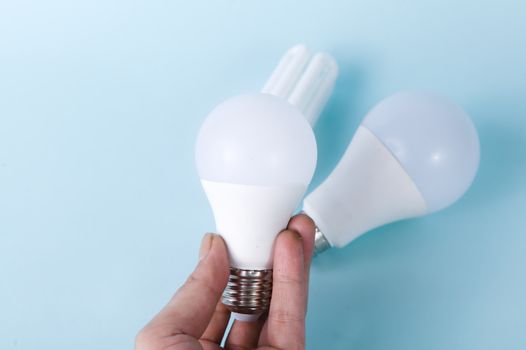
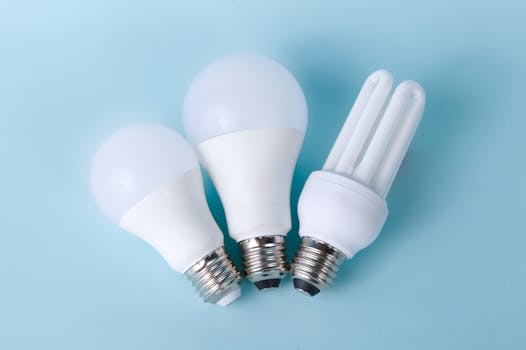
To understand why LED lighting is more energy-efficient, it's important to grasp how different light sources work. Traditional incandescent bulbs produce light by heating a filament until it glows, a process that loses up to 90% of energy as heat. Compact fluorescent lamps (CFLs) are more efficient but still release considerable heat and contain small amounts of mercury.
LEDs, or light-emitting diodes, work differently. They pass an electrical current through a semiconductor, emitting photons (light) directly without generating much heat. This fundamental difference in operation means LEDs are inherently more efficient at converting electricity into visible light.
According to the U.S. Department of Energy, LEDs use at least 75% less energy and last up to 25 times longer than incandescent lighting. In practical terms, a 10-watt LED can produce the same light as a 60-watt incandescent bulb, drastically reducing energy consumption for the same level of brightness.
Real-World Savings: Household Energy Consumption Data
Lighting accounts for approximately 15% of the average household’s electricity use in the United States, according to the U.S. Energy Information Administration (EIA). Replacing all incandescent bulbs with LED alternatives can result in substantial savings on both energy bills and environmental impact.
Let’s look at a comparison of typical annual energy costs for different types of bulbs in a household:
| Bulb Type | Wattage per Bulb | Average Lifespan (hours) | Annual Energy Use (kWh)$1 | |
|---|---|---|---|---|
| Incandescent | 60W | 1,000 | 43.8 | $5.26 |
| CFL | 13W | 8,000 | 9.5 | $1.14 |
| LED | 10W | 25,000 | 7.3 | $0.88 |
*Assuming daily use of 3 hours and an average electricity rate of $0.12 per kWh.
A household with 20 bulbs could save over $80 per year just by switching from incandescent bulbs to LEDs, not counting the savings on bulb replacements due to LED’s longer lifespan.
Environmental Impact: Reducing Carbon Footprint with LEDs
Energy savings from LED lighting don't just benefit your wallet—they also have a significant positive impact on the planet. The U.S. Department of Energy estimates that widespread use of LED lighting could save about 348 terawatt-hours (TWh) of electricity by 2027, equivalent to the annual output of 44 large electric power plants.
By consuming less electricity, LEDs help reduce the demand on power plants, which in turn decreases greenhouse gas emissions. For example, if every American household replaced just one incandescent bulb with an LED, it would prevent the emission of 9 billion pounds of CO2 per year—the equivalent of taking about 800,000 cars off the road.
Additionally, LEDs do not contain hazardous materials like mercury, which is found in CFLs. This makes disposal safer and reduces the risk of environmental contamination.
Technological Advances: Smart LEDs and Further Efficiency Gains
The energy-saving potential of LED lighting is further enhanced by advances in smart technology. Smart LED bulbs can be controlled remotely through smartphones or integrated with home automation systems, allowing users to adjust brightness, set schedules, and optimize usage.
Features such as motion sensors, dimming capability, and integration with daylight sensors mean lights are only used when and where they are needed. This can further reduce household lighting energy use by up to 30%, according to data from the American Council for an Energy-Efficient Economy (ACEEE).
For example, a family might program their smart LEDs to dim during daylight hours, turn off automatically when a room is vacant, or adapt to their daily routines. These small adjustments accumulate into significant savings over time.
Long-Term Financial Benefits: More Than Just Lower Bills
While the initial cost of LED bulbs remains higher than traditional bulbs, the overall financial benefits are much greater due to their longevity and energy efficiency. LEDs can last up to 25,000 hours or more, compared to just 1,000 hours for incandescents and 8,000 hours for CFLs.
This extended lifespan means fewer replacements and less maintenance, which is especially beneficial for hard-to-reach fixtures or outdoor lighting. Over a decade, a household could avoid purchasing dozens of replacement bulbs, saving additional money and reducing waste.
Let’s put this in perspective: Replacing 20 incandescent bulbs with LEDs in a home could save up to $1,600 in energy and replacement costs over the bulbs’ lifetimes, according to ENERGY STAR.
Adoption Barriers and How to Overcome Them
Despite the clear benefits, some households hesitate to switch to LED lighting. Common concerns include the upfront cost, perceived differences in light quality, and confusion about compatibility with dimmers or fixtures.
However, these barriers are quickly diminishing:
- $1: The price of LED bulbs has dropped by more than 85% since 2010, making them more accessible than ever. - $1: Modern LEDs are available in a range of color temperatures and brightness levels, easily matching or surpassing the quality of traditional bulbs. - $1: Most new LEDs are designed to work with existing fixtures and dimmers, and manufacturers provide clear compatibility information on packaging.Government incentives and utility rebates can further reduce the upfront cost, accelerating the return on investment for homeowners. As of 2024, over 70% of U.S. homes report using at least one LED bulb, and the number is rapidly growing.
Final Thoughts on LED Lighting and Household Energy Savings
LED lighting offers a powerful, practical way for households to cut their energy consumption, lower their utility bills, and reduce their environmental footprint. With proven efficiency, long-term savings, and rapid advances in smart technology, LEDs are not just a trend—they are the new standard for home lighting.
By understanding the science and embracing the latest in LED innovation, every household can play a role in building a more sustainable and cost-efficient future. Whether you’re retrofitting a single room or upgrading your entire home, the benefits of LED lighting are clear, measurable, and here to stay.