LED lighting has revolutionized the way we illuminate our homes, workplaces, and public spaces. It’s energy-efficient, long-lasting, and versatile. But as LED bulbs become the norm, a growing body of research is exploring how these lights might impact something fundamental to our health: sleep quality. The interplay between artificial lighting and our natural sleep cycle is more complex than most people realize. Understanding how LED lighting affects sleep—and how to use it properly—can help you rest easier and wake up refreshed.
The Science of Sleep: Why Light Matters
Our sleep-wake cycle, or circadian rhythm, is regulated by exposure to light and darkness. This internal clock relies heavily on environmental cues, especially light, to determine when we feel alert and when we feel sleepy. The hormone melatonin plays a key role: it rises in the evening, preparing the body for sleep, and falls in the morning, helping us wake up.
Blue light, a high-energy visible wavelength, has the most significant effect on melatonin production. Sunlight is rich in blue light, which is why it helps us feel awake during the day. However, exposure to artificial blue light at night—especially from LEDs and screens—can trick our brains into thinking it’s daytime, suppressing melatonin and disrupting sleep.
A 2017 study published in $1 found that exposure to blue-enriched LED light in the evening reduced melatonin levels by up to 23% compared to dim lighting. This disruption can lead to difficulty falling asleep, poorer sleep quality, and even long-term health issues if it becomes chronic.
LED Lighting: Benefits and Unintended Consequences
LEDs are celebrated for their energy efficiency and versatility. According to the U.S. Department of Energy, LEDs use at least 75% less energy and last 25 times longer than incandescent lighting. Their widespread adoption is predicted to save the United States over $30 billion in energy costs by 2035.
However, LEDs also emit more blue light than most traditional bulbs. A 2018 report from the American Medical Association highlighted concerns that widespread use of high-intensity, blue-rich LED streetlights could disrupt sleep patterns and natural circadian rhythms in communities.
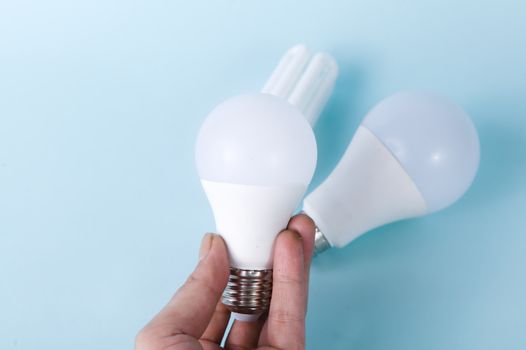
Here’s a comparison of common household bulbs based on blue light emission:
| Bulb Type | Blue Light Emission | Typical Color Temperature (Kelvin) | Estimated Energy Efficiency |
|---|---|---|---|
| Incandescent | Low | 2700K | Less efficient |
| Compact Fluorescent (CFL) | Moderate | 2700–6500K | Moderate |
| LED (Cool White/Daylight) | High | 4000–6500K | Very efficient |
| LED (Warm White) | Lower | 2700–3000K | Very efficient |
As evident from the table, not all LEDs are the same. Cool white or daylight LEDs emit more blue light, while warm white LEDs are much closer to traditional incandescent bulbs in their blue light output.
How Blue Light from LEDs Impacts Sleep Quality
The primary way LED lighting affects sleep is through its blue light content. Blue light exposure in the evening can:
- Suppress melatonin production, delaying the onset of sleep. - Shift the timing of the circadian clock, making you feel less sleepy at bedtime. - Reduce overall sleep duration and efficiency.A 2019 Harvard Medical School study found that participants exposed to blue-enriched LED lighting before bedtime took an average of 16 minutes longer to fall asleep compared to those exposed to dim, warm light. Chronic exposure to blue light at night has also been linked to increased risk of insomnia, mood disorders, and metabolic issues.
Children and teenagers are particularly sensitive. Their eyes allow more blue light to reach the retina, and their circadian rhythms are more easily disrupted. This makes the proper use of LED lighting in bedrooms especially important for younger family members.
Smart Strategies: Using LED Lighting to Support Healthy Sleep
The good news is that you don’t need to abandon LED lighting to protect your sleep. Instead, you can make smart choices about the type, timing, and placement of your lights:
1. $1 Look for bulbs labeled as “warm white” (2700K–3000K). These have less blue light and are less likely to disrupt melatonin production. Reserve cooler, brighter LEDs (4000K and above) for areas used primarily during the day, such as kitchens or home offices. 2. $1 Lowering light intensity in the hour before sleep helps signal your body that it’s time to wind down. Many LED fixtures are dimmable—use this feature to mimic the gradual darkness of sunset. 3. $1 Rather than flooding your whole room with light, use reading lamps or under-cabinet lighting to focus illumination where it’s needed. This reduces your overall exposure to bright light in the evening. 4. $1 Smart LED bulbs can be programmed to change color temperature and brightness throughout the day. For instance, they can emit cool, energizing light in the morning and shift to warm, soothing tones at night. 5. $1 LED screens on phones, tablets, and TVs are potent sources of blue light. Limit screen time at least 60 minutes before bed, use “night mode” or blue light filters, and keep devices out of the bedroom when possible.LED Lighting and Sleep: Special Considerations for Different Age Groups
Not everyone is equally affected by LED lighting. Age, lifestyle, and individual sensitivity all play a role in how light exposure impacts sleep quality.
- $1 As noted, young eyes are especially sensitive to blue light. Ideally, their bedrooms should use warm-white LEDs and limit exposure to screens before bedtime. Studies have shown that teens who use screens late at night sleep up to 1 hour less on average. - $1 While adults are less sensitive than children, chronic blue light exposure can still lead to sleep disturbances. For shift workers or those with irregular schedules, using smart lighting systems can help “trick” the body into a healthier sleep rhythm. - $1 As we age, the eye’s lens naturally yellows, filtering out some blue light. However, older adults are also more prone to insomnia. Creating a consistent lighting routine—bright during the day, dim and warm at night—can help maintain a healthy sleep cycle.Lighting Design Tips for a Sleep-Friendly Home
Designing your home’s lighting with sleep in mind doesn’t mean sacrificing style or comfort. Here are some practical tips:
- $1 Use a combination of overhead, task, and accent lighting to control brightness and focus. This allows you to create a cozy, low-light environment in the evening. - $1 Dimmable LED fixtures in bedrooms and living areas give you flexibility to adjust light levels as bedtime approaches. - $1 Instead of leaving bright lights on overnight, use low-level, warm-colored night lights with motion sensors in hallways or bathrooms to minimize disruption if you need to get up at night. - $1 Exposure to natural daylight in the morning helps synchronize your circadian rhythm, making it easier to fall asleep later. Arrange your workspace near a window or take breaks outside. - $1 Reserve high-intensity, cool-white bulbs for daytime activity areas. Bedrooms should feel inviting and restful, with warm-toned, indirect lighting.Why Balancing LED Lighting and Sleep Quality Matters
Sleep is one of the pillars of good health, affecting everything from mood and brain function to immune strength and longevity. In 2022, the Centers for Disease Control and Prevention reported that one in three adults in the U.S. is not getting enough sleep. While many factors contribute to this epidemic, optimizing your environment—including your lighting—can make a tangible difference.
By understanding how LED lighting interacts with your biology and making informed choices, you can enjoy all the benefits of modern lighting technology without sacrificing your rest.