When the sun sets, your garden or patio doesn’t have to disappear into darkness. With the right LED lighting, you can transform outdoor spaces into stunning, functional areas for relaxation, entertainment, and everyday living. Whether you want to highlight architectural features, create a cozy ambiance, or improve safety around pathways, LED lighting offers versatile, energy-efficient solutions. But with so many choices on the market, how do you select the ideal lighting for your garden or patio? This comprehensive guide will illuminate your options and help you make the best decisions for your outdoor oasis.
Understanding the Benefits of LED Lighting for Outdoor Spaces
LED (Light Emitting Diode) technology has rapidly become the go-to choice for outdoor illumination, and for good reason. LEDs offer a host of advantages that make them ideal for gardens, patios, and other exterior environments:
- Energy Efficiency: LEDs consume up to 80% less electricity than traditional incandescent bulbs. According to the U.S. Department of Energy, LED outdoor lighting can result in annual savings of $75 or more per fixture. - Longevity: Quality outdoor LEDs can last 25,000 to 50,000 hours, meaning fewer replacements and reduced maintenance. - Durability: LEDs are solid-state lights, making them more resistant to shock, vibration, and extreme weather—crucial factors for exterior use. - Eco-Friendliness: LEDs contain no mercury and emit less carbon dioxide during operation compared to older technologies. - Design Flexibility: From subtle accent lighting to bold statement pieces, LEDs come in a wide array of shapes, sizes, and color temperatures.These benefits make LEDs not just a practical choice, but a smart investment for enhancing outdoor living spaces.
Key Considerations When Choosing LED Lighting for Gardens and Patios
Before you start shopping for fixtures, it’s important to assess your needs, layout, and the specific characteristics of your garden or patio. Here are the most important factors to consider:
1. $1 Are you illuminating pathways for safety, creating mood lighting for dining, or spotlighting a favorite tree? Define your goals to determine the types of fixtures you’ll need. 2. $1 Outdoor environments demand the right light output. For reference, a path light often requires 100-200 lumens, while a floodlight may need 700-1,300 lumens. Unlike wattage, which measures energy use, lumens measure brightness. 3. $1 Measured in Kelvin (K), color temperature impacts the mood. Warm white (2,700K–3,000K) creates a cozy, inviting glow, while cool white (4,000K–5,000K) offers crisp, clear illumination. 4. $1 Look for fixtures with an IP (Ingress Protection) rating. For outdoor use, an IP65 rating or higher is recommended to ensure protection from rain, dust, and changing temperatures. 5. $1 LEDs can be hardwired, solar-powered, or battery-operated. Solar-powered LEDs are popular for their ease of installation and eco-friendliness, but may be less powerful than wired options. 6. $1 Consider smart lighting systems with timers, motion sensors, or app-based controls for added convenience and energy savings.Types of LED Outdoor Lighting: From Pathways to Patios
Choosing the right fixture type is essential for achieving both practical and aesthetic results. Here’s a breakdown of popular LED lighting options for gardens and patios:
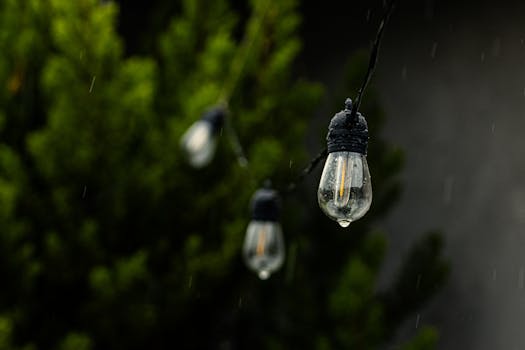
- $1 Low-profile lights (100-200 lumens) installed along walkways for safe navigation and subtle ambiance. - $1 High-output LEDs (700-1,300 lumens or more) used to highlight trees, garden sculptures, or architectural features. - $1 Flexible, decorative lighting to drape across pergolas, fences, or shrubs, perfect for creating a festive or romantic atmosphere. - $1 Discreet, low-voltage LEDs installed into decking or steps to prevent tripping and define edges. - $1 Mounted on exterior walls to illuminate patios, entryways, or seating areas. - $1 Flush-mounted fixtures that blend into landscaping while uplighting plants or structures.Each lighting type has a unique role and effect, and a well-designed outdoor lighting plan often combines several types for layered, dynamic results.
Comparing LED Lighting Options: Features and Suitability
With so many products on the market, a comparison can help clarify your choices. Below is a table summarizing popular LED outdoor lighting types, recommended uses, average lifespan, and typical lumens output:
| Type | Recommended Use | Average Lifespan (Hours) | Typical Lumens | Power Source | Weather Rating (IP) |
|---|---|---|---|---|---|
| Path Light | Walkways, garden beds | 25,000–50,000 | 100–200 | Solar/Battery/Wired | IP65+ |
| Spotlight | Trees, sculptures | 30,000–50,000 | 700–1,300 | Wired/Battery | IP65+ |
| Deck/Step Light | Decking, stairs | 30,000–40,000 | 40–120 | Wired/Solar | IP67 |
| String/Fairy Light | Pergolas, fences | 20,000–30,000 | Varies | Solar/Battery | IP44–65 |
| Wall Sconce | Patio walls, entrances | 25,000–40,000 | 300–700 | Wired | IP65+ |
| In-Ground/Well | Uplighting, lawns | 40,000–50,000 | 200–800 | Wired | IP67 |
As the table shows, lifespan and weather resistance are key metrics for outdoor fixtures, with most high-quality LEDs lasting well over 25,000 hours and featuring robust waterproof designs.
Designing with LEDs: Creating Mood, Safety, and Visual Interest
Great outdoor lighting isn’t just about functionality—it’s about atmosphere and aesthetic appeal. Here’s how you can use LED lighting design principles to enhance your garden or patio:
- $1 Combine ambient, task, and accent lighting for depth and dimension. For example, use soft string lights overhead, path lights along walkways, and spotlights to highlight focal points. - $1 Use spotlights to accentuate trees, water features, or sculptures, drawing the eye to interesting elements. - $1 Separate dining, lounging, and garden zones with distinct lighting styles or colors. - $1 Avoid over-lighting; sometimes less is more. Use indirect lighting tucked under benches or behind plants to create dramatic shadows and soft glows. - $1 Many LEDs now offer dimming or color-changing capabilities. Adjust intensity and hue to suit the mood or occasion, from intimate dinners to festive celebrations.According to a 2023 Houzz landscaping trends report, nearly 60% of homeowners installing outdoor lighting prioritize ambiance and entertainment, using LEDs for their adaptability and color options.
Installation Tips and Maintenance for Long-Lasting Outdoor LEDs
Proper installation and care are crucial for maximizing the lifespan and performance of your outdoor LED lighting. Here are some essential tips:
- $1 For wired LEDs, use outdoor-rated cables and connectors. Consider hiring a licensed electrician for complex installations. - $1 Avoid placing lights where they’ll shine directly into eyes or onto neighbors’ properties. Angle fixtures downward and use shields to prevent glare and light pollution. - $1 Dust, dirt, and debris can accumulate on fixtures, dimming their output. Clean lenses and housings several times per year. - $1 Inspect for cracked lenses, corroded connections, or water ingress, especially after storms. - $1 If an LED stops working, replace it quickly to maintain uniform lighting and prevent electrical issues.Solar-powered LEDs need special attention: ensure panels get adequate sunlight and keep them free of leaves and grime. In winter, consider temporary removal if snow or ice is likely to cover the fixtures.
Final Thoughts on Choosing LED Lighting for Gardens and Patios
LED lighting offers unmatched versatility, efficiency, and creative potential for outdoor spaces. By understanding your needs, selecting the right fixture types, and planning your design thoughtfully, you can enjoy a beautiful, safe, and inviting garden or patio long after sunset. Whether you’re entertaining friends, unwinding with family, or simply admiring your landscape at night, the right LEDs will help you make the most of your outdoor environment—season after season.