The world of interior design is experiencing a revolution, and at the heart of this transformation is LED lighting. No longer just a practical solution for reducing energy bills, LEDs have become a creative force, enabling designers and homeowners to craft immersive, flexible, and personalized environments. With global LED lighting market revenue expected to surpass $108 billion by 2025 (Statista), the integration of new technologies, human-centric design, and sustainable practices are shaping the way we illuminate our spaces. Let’s explore the latest trends in LED lighting for interior design, examining the innovations, aesthetics, and smart features driving the future of modern interiors.
The Rise of Human-Centric LED Lighting
A major trend in interior design is the embrace of human-centric lighting—LED systems engineered to support natural circadian rhythms and enhance well-being. Unlike traditional lighting, which often emits a static color temperature, modern LEDs can dynamically shift from warm to cool tones, simulating the natural progression of daylight.
According to the Illuminating Engineering Society (IES), exposure to appropriate light levels and color temperatures throughout the day can improve mood, productivity, and sleep quality. For example, a home office might feature cool, blue-enriched light in the morning to boost alertness, transitioning to warmer tones in the evening to promote relaxation.
Key features of human-centric LED lighting include:
- Tunable white LEDs that allow users to select specific color temperatures (e.g., 2700K for cozy evenings, 6500K for crisp mornings) - Automated circadian lighting systems that adjust automatically based on the time of day - Integration with smart controls and voice assistants for personalized lighting scenesThese innovations are being adopted in both residential and commercial spaces, with companies like Philips, LIFX, and Casambi leading the way in user-friendly circadian lighting products.
Minimalist Aesthetics and Architectural Integration
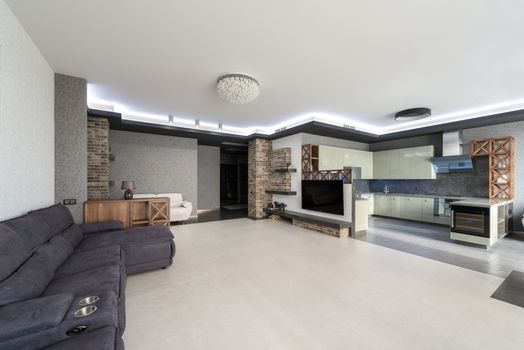
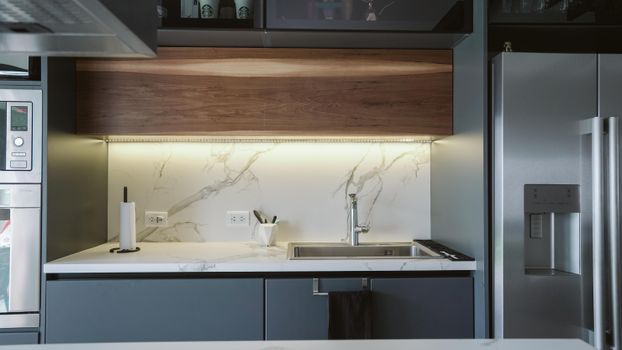
LED technology’s compact size and versatility have opened new possibilities for seamless, minimalist lighting designs. Gone are the days of bulky fixtures—today’s LEDs can be hidden within architectural elements or used to accentuate clean lines and open spaces.
Popular minimalist trends include:
- Cove lighting: LEDs are recessed into ceilings or walls to create a soft, indirect glow that accentuates architectural features. - Linear profiles: Slim LED strips are integrated into furniture, cabinetry, or staircases, providing both task and accent lighting without visible fixtures. - Recessed downlights: Ultra-thin, trimless LEDs blend into ceilings for a barely-there appearance, ideal for contemporary interiors.A 2023 Houzz survey found that 42% of homeowners renovating their living rooms opted for recessed or hidden LED lighting, highlighting the popularity of this trend. The result is a harmonious interplay of light and space, where illumination becomes a subtle yet powerful design element.
Smart LED Lighting: Intuitive Control and Personalization
The smart home movement has propelled LED lighting far beyond simple on-off switches. Today, intelligent LED systems offer unprecedented control, customization, and energy management—features that appeal to tech-savvy homeowners and designers alike.
Smart LED trends include:
- App-based control: Adjust brightness, color, and scheduling from your smartphone or tablet. - Voice integration: Control lighting with Amazon Alexa, Google Assistant, or Apple HomeKit. - Automation and sensors: Lights respond to occupancy, daylight levels, or even your location, optimizing comfort and efficiency. - Scene creation: Save and recall lighting “scenes” for activities like movie night, dining, or entertaining.According to a 2022 study by Statista, the number of smart homes worldwide is projected to reach 573 million by 2026, with smart lighting as one of the leading segments. This shift is making personalized, adaptive lighting accessible to more people than ever before.
Dynamic Color and Artistic Expression
LED lighting isn’t just about efficiency—it’s a creative tool for mood-setting and visual storytelling. The latest trend is the use of dynamic color-changing LEDs, which allow interiors to transform with vibrant hues and animated effects.
Designers are leveraging RGB and RGBW (red, green, blue, and white) LED systems to:
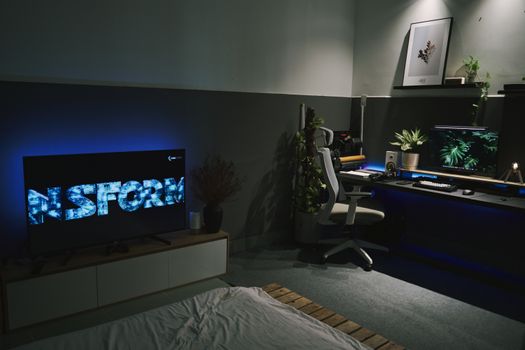
- Highlight artwork, architectural features, or accent walls with bold color washes - Create dramatic backlighting for televisions, mirrors, or headboards - Sync lighting with music, movies, or smart home scenes for immersive experiencesFor example, a 2023 interior design project in New York City used programmable RGB LED strips to create an interactive living room, where light colors shift in sync with the user’s mood or chosen playlist. This trend is especially popular in luxury residences, hospitality, and entertainment spaces.
Sustainable and Eco-Friendly Lighting Solutions
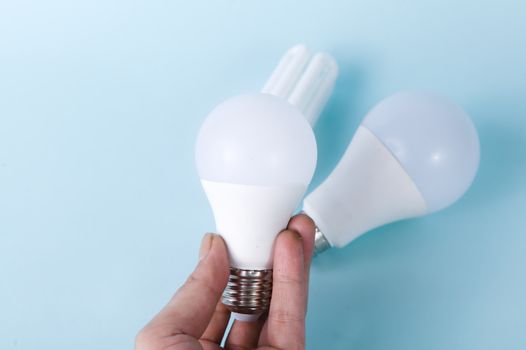
Sustainability remains a core driver in LED innovation. LEDs are already known for their low energy consumption—using up to 80% less electricity than incandescent lighting and lasting 25 times longer (U.S. Department of Energy). However, the latest advancements go further, focusing on eco-friendly materials, responsible manufacturing, and circular design principles.
Emerging sustainable LED trends include:
- Modular and repairable fixtures: LEDs designed for easy disassembly, repair, and recycling - Use of recycled or bio-based materials in luminaires and diffusers - Motion-sensing and daylight-harvesting systems that adapt lighting to occupancy and natural light, reducing unnecessary usageA 2024 report from MarketsandMarkets estimates that the adoption of smart, energy-efficient lighting could reduce global carbon emissions by 530 million metric tons annually by 2030. This makes LED lighting a pivotal component of green building and interior design practices.
Comparing LED Lighting Trends: Features and Applications
To help you navigate the evolving world of LED lighting for interior design, here’s a comparison of the most popular trends, their key features, and ideal applications:
| Trend | Key Features | Best For |
|---|---|---|
| Human-Centric Lighting | Tunable white, automated circadian cycles, wellness focus | Bedrooms, home offices, healthcare, education |
| Minimalist Integration | Hidden fixtures, architectural details, indirect lighting | Living rooms, kitchens, modern commercial spaces |
| Smart LED Systems | App/voice control, automation, energy management | Whole home, tech-forward households, offices |
| Dynamic Color/Artistic | RGB/RGBW, animated effects, mood lighting | Living rooms, hospitality, entertainment venues |
| Sustainable Solutions | Energy-efficient, recyclable materials, adaptive controls | Green homes, eco-conscious businesses |
Final Thoughts: The Future of LED Lighting in Interior Design
LED lighting is no longer just about bulbs and fixtures—it’s about shaping experiences, promoting well-being, and enabling sustainable living. As technology advances, expect to see even more integration of LEDs with architecture, furniture, and smart home systems. The fusion of human-centric design, minimalism, interactivity, and eco-friendly innovation ensures that LED lighting will continue to define the aesthetics and functionality of interior spaces for years to come.
Whether you’re renovating your home or designing a new commercial space, staying aware of these trends means you can create interiors that are not only beautiful, but also adaptive, efficient, and future-ready.