Creating the ultimate home theater experience requires more than just a big screen and a top-notch sound system. One of the most overlooked yet impactful factors is lighting—specifically, LED lighting designed for home theaters. The right lighting can transform your space, reduce eye strain, boost immersion, and even protect your investment in high-end audiovisual equipment. But with so many options on the market, how do you choose the best LED lighting for your home theater? This comprehensive guide will illuminate the possibilities, highlight the latest technologies, and help you make informed decisions for your cinematic sanctuary.
The Science Behind LED Lighting in Home Theaters
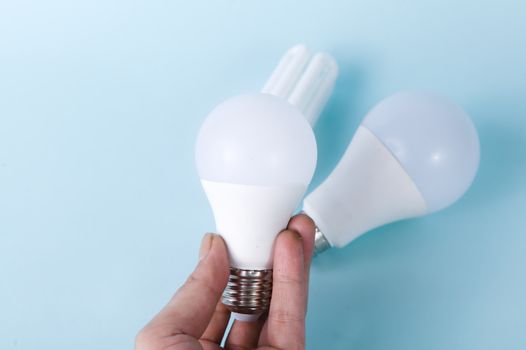
Before diving into product choices, it’s crucial to understand why LED lighting is uniquely suited for home theaters. Unlike traditional incandescent or fluorescent bulbs, LEDs (Light Emitting Diodes) offer precise control over brightness, color temperature, and even color-changing capabilities. This flexibility allows for designing a lighting environment that enhances the viewing experience rather than detracting from it.
According to a 2023 report by the U.S. Department of Energy, LEDs consume up to 75% less energy than incandescent lighting and last up to 25 times longer. This energy efficiency is especially beneficial in a home theater, where lights may be used for hours at a time and often integrated with smart home systems for automation.
Key advantages of LED lighting for home theaters include:
- Dimmability: Fine-tune brightness for optimal viewing without glare. - Color Options: Choose warm or cool tones, or even dynamic RGB color effects. - Low Heat Output: LEDs emit very little heat, crucial for keeping your theater comfortable and protecting sensitive electronics. - Longevity: Many LED fixtures are rated for 25,000 to 50,000 hours of use.Understanding Lighting Zones in a Home Theater
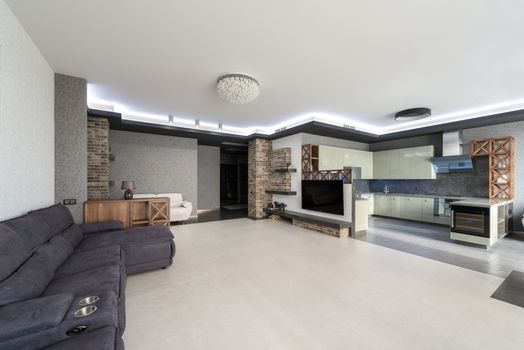
A professional-quality home theater isn’t lit by a single ceiling fixture. Instead, it uses a layered approach with multiple lighting zones, each serving a specific function. Identifying these zones is the first step in planning your LED lighting solution.
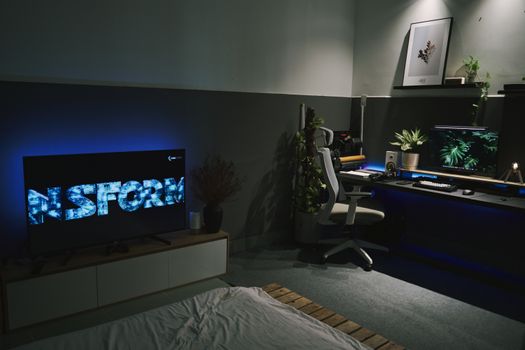
1. Ambient Lighting: This is the general illumination of the room, often provided by recessed ceiling LEDs or cove lighting. Ambient light should be soft and indirect to avoid washing out the screen. 2. Task Lighting: Essential for practical activities like reading remotes, adjusting controls, or moving about the room. Examples include LED step lights, wall sconces, and tray lighting. 3. Accent Lighting: Used to highlight architectural features, art, or collectibles. LED strip lights or spotlights can draw attention without adding glare. 4. Bias Lighting: A unique addition to home theaters, bias lighting is placed behind the screen to reduce eye strain and improve perceived contrast. According to a study published in the Journal of the Society for Information Display, bias lighting can reduce eye fatigue by up to 60% during extended viewing sessions.By balancing these zones, you can create a comfortable, immersive environment where lighting enhances rather than competes with the cinematic experience.
Comparing LED Lighting Options for Home Theaters
Choosing the right LED fixtures involves considering form, function, and performance. Below is a comparative overview of the most popular LED lighting types for home theaters, highlighting their unique advantages and best use cases.
| LED Lighting Type | Best For | Key Features | Average Lifespan (Hours) | Estimated Cost (USD) |
|---|---|---|---|---|
| Recessed Downlights | Ambient Lighting | Dimmable, wide beam angle, low profile | 35,000-50,000 | $20-$60 per fixture |
| LED Strip Lights | Accent & Bias Lighting | Flexible, color-changing, adhesive backing | 25,000-40,000 | $10-$30 per meter |
| Wall Sconces | Task & Ambient Lighting | Decorative, diffused light, dimmable | 30,000-50,000 | $40-$120 per pair |
| Step Lights | Task & Safety Lighting | Low glare, recessed or surface mount | 30,000-40,000 | $15-$50 per unit |
| Smart Bulbs | Flexible Lighting Zones | App/voice control, tunable color & brightness | 15,000-25,000 | $20-$50 per bulb |
Each type plays a unique role. For example, bias lighting strips behind the screen can make colors pop and reduce visual fatigue, while dimmable sconces can provide subtle light that doesn’t interfere with the movie.
Matching LED Color Temperature and Brightness to Your Theater
Color temperature and brightness are critical for setting the right mood and ensuring comfort. Color temperature is measured in Kelvins (K), with lower values (2700K-3000K) producing a warm, cozy glow, and higher values (4000K-6500K) offering cooler, more energizing light.
For home theaters, the sweet spot is usually in the warm-to-neutral range (2700K-4000K). This helps create a relaxing, cinema-like ambiance and avoids the harshness that can come from cooler, daylight-mimicking bulbs.
Brightness is measured in lumens. The ideal brightness depends on room size, wall color, and intended use. As a general guideline:
- Ambient Lighting: 1,000-2,000 lumens for a 200 sq. ft. room - Task Lighting: 300-500 lumens per fixture (for steps or sconces) - Accent/Bias Lighting: 200-400 lumens behind screens or along covesOver-lighting can cause glare and wash out your picture, while under-lighting may make the space feel cramped or dangerous. Opt for dimmable LEDs whenever possible to allow fine-tuning based on the activity and time of day.
Smart Controls and Integration for LED Home Theater Lighting
One of the most exciting aspects of modern LED lighting is the ability to integrate with smart home systems. This not only adds a "wow" factor but also provides practical benefits such as scene setting, automation, and voice control.
Popular LED smart lighting platforms include Philips Hue, LIFX, and Govee, all of which offer app-based customization, scheduling, and compatibility with voice assistants like Amazon Alexa, Google Assistant, and Apple HomeKit.
Benefits of smart LED controls in a home theater:
- Scene Selection: Instantly switch between movie, gaming, or party modes. - Automation: Set lights to dim automatically when a movie starts. - Remote Access: Adjust lighting from your smartphone, even when away from home. - Synchronization: Some advanced systems can sync lighting effects to on-screen action, enhancing immersion.According to Statista, the smart lighting market is expected to reach $44 billion by 2030, with more than 350 million smart bulbs in use worldwide by 2025. Incorporating smart LED controls is quickly becoming the new standard for modern home theaters.
Installation Tips and Safety Considerations for LED Theater Lighting
Even the best lighting plan can fall short if not installed correctly. Here are some expert tips for getting the most out of your LED home theater lighting:
- $1 For new installations, work with an electrician to run low-voltage wiring for LED strips or recessed fixtures. Wireless options are available for retrofit projects. - $1 Position fixtures so that light is indirect or bounced off walls and ceilings. This reduces reflections and prevents eye discomfort. - $1 Not all dimmers are compatible with LED technology. Ensure you use LED-rated dimmers to prevent flickering and extend bulb life. - $1 Although LEDs run cool, enclosed fixtures can trap heat and shorten lifespan. Choose open or vented housings when possible. - $1 For safety, install low-level step or pathway lighting that remains on even when the main lights are off.Professional installation is recommended for more complex setups, but many homeowners can successfully install plug-and-play LED strips or smart bulbs themselves.
Enhancing Home Theater Atmosphere with Advanced LED Features
Today’s LED lighting offers features that go far beyond simple on/off or dimming functions. For the ultimate home theater ambiance, consider these advanced options:
- $1 Create vibrant color effects for parties or themed movie nights, or shift to soft white for everyday use. - $1 Some LED systems can pulse or change colors in time with your audio system, adding a dynamic visual dimension. - $1 Hands-free control lets you adjust lighting without fumbling for a remote. - $1 Pre-programmed settings adjust multiple zones at once, from “Showtime” to “Intermission.”A real-world example: The Govee Immersion TV LED Backlights use a camera to detect on-screen colors and extend them to the wall behind your TV, making your favorite movies and games feel larger than life.
Bringing It All Together: Crafting the Perfect LED-Lit Home Theater
Choosing the right LED lighting for your home theater is about more than aesthetics—it’s about creating a space that envelops you in comfort, safety, and cinematic magic. By understanding the science of LEDs, planning layered lighting zones, selecting the right color temperatures, and leveraging smart controls, you can design a theater that rivals the best commercial cinemas.
Remember to balance function and flair: ensure safety with well-placed task lighting, reduce fatigue with bias lighting, and dial up the excitement with color-changing effects or synchronized scenes. With the right approach, your home theater will be a place where friends and family gather for unforgettable entertainment—bathed in beautiful, energy-efficient LED light.