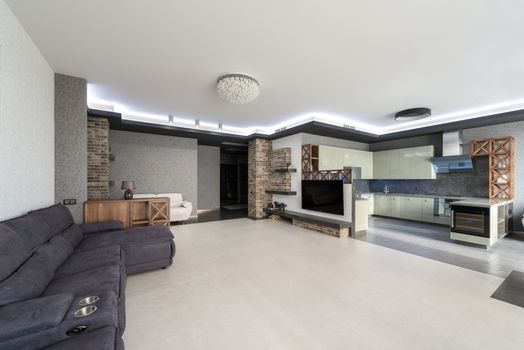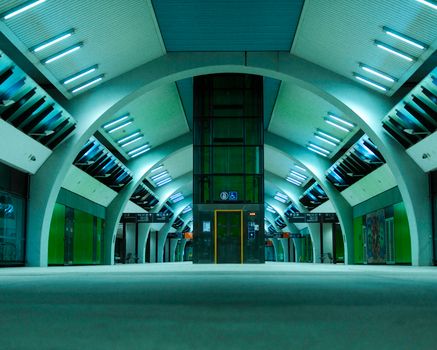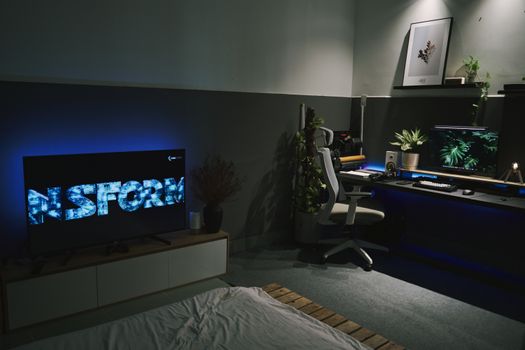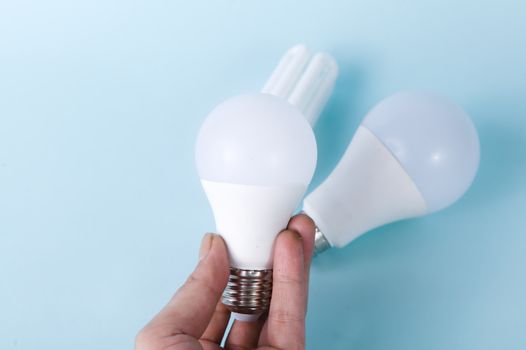
LED lighting has rapidly transformed the landscape of photography and videography in recent years. Once dominated by traditional incandescent and fluorescent lights, the world of image-making now leans heavily on the unique capabilities of LEDs. This shift is not merely a matter of convenience or energy savings; it’s a fundamental change that affects everything from color accuracy to creative flexibility. Whether you’re a hobbyist snapping portraits at home or a professional filmmaker crafting cinematic magic, understanding the role of LED lighting is crucial to mastering your craft.
How LED Lighting Changed the Game for Image Makers
The rise of LED lighting in photography and videography is no accident. LEDs (Light Emitting Diodes) offer a host of advantages over older lighting technologies. According to a 2023 report by the Imaging Industry Association, over 78% of professional studios in North America have now adopted LED-based lighting systems as their primary source. But what makes LEDs so compelling for photographers and videographers?
First, LEDs deliver a consistent and flicker-free beam—an essential feature for high-speed photography and video, where even minor light fluctuations can ruin a shot. Unlike fluorescent bulbs, LEDs do not produce noticeable flicker at regular frame rates, ensuring smooth footage and crisp stills.
Second, LEDs are vastly more energy-efficient, converting up to 80% of their energy into visible light. This efficiency allows for portable, battery-powered lighting kits, giving creators the freedom to shoot on location without being tethered to power outlets. For example, a 40-watt LED panel can output the same amount of light as a 250-watt tungsten bulb while generating much less heat—a huge advantage on crowded sets or during long shoots.
In addition, the longevity of LEDs (often exceeding 25,000 hours of use) means lower maintenance and replacement costs, making them an economical choice for both amateurs and professionals.
Color Accuracy and Control: Why CRI and CCT Matter
One of the most significant advances brought by LED lighting is the ability to fine-tune color rendering and temperature. In photography and videography, accurate color reproduction is essential for creating lifelike images and achieving a desired mood.
Color Rendering Index (CRI) measures how accurately a light source displays colors compared to natural daylight. High-quality LED lights often have a CRI rating above 95, approaching the color fidelity of sunlight. This is a vast improvement over many older fluorescent or low-end tungsten lights, which often distort skin tones and fabric colors.
Correlated Color Temperature (CCT) describes whether a light is “warm” (yellowish) or “cool” (bluish), measured in Kelvin (K). LEDs frequently allow for adjustable CCT, typically ranging from 2,700K (warm, similar to household incandescent bulbs) to 6,500K (cool, like midday sunlight). This flexibility enables photographers to match ambient lighting conditions or create dramatic effects with the twist of a dial.
For example, shooting a fashion portrait under 5,600K daylight-balanced LED panels yields natural-looking skin tones, while switching to a 3,200K setting can evoke a cozy, evening atmosphere.
Creative Advantages of LED Lighting in Photography and Videography
LED lighting doesn’t just solve technical problems—it opens up new creative possibilities. Many modern LED fixtures support features that were once exclusive to large, expensive studio setups.
One of the most exciting innovations is RGB (Red, Green, Blue) LED technology. These lights can produce millions of different colors on demand, controlled via smartphone apps or onboard interfaces. Want to bathe your subject in vibrant magenta or simulate candlelight? It’s as simple as selecting a color preset. This capability is invaluable for music videos, commercial shoots, and artistic portraiture.
Another advantage is the ability to shape and modify LED light easily. Panels, strips, and ring lights come in various sizes and shapes, and many have built-in diffusion to soften shadows and reduce harshness. Some LED systems even mimic natural phenomena, such as lightning or TV flicker, with programmable effects—perfect for creating atmosphere on-set without needing bulky props or post-production fixes.
Portability is another game-changer. Lightweight, battery-operated LED lights allow for dynamic shooting styles, such as handheld interviews or guerilla filmmaking in remote locations. The minimal heat output also makes LEDs safer for use in confined spaces or when working with sensitive subjects (such as newborns or food).
Comparing LED Lighting to Traditional Lighting Solutions
To appreciate the full impact of LEDs, it’s helpful to compare them side by side with traditional lighting options. The table below highlights key differences:
| Feature | LED Lighting | Tungsten Lighting | Fluorescent Lighting |
|---|---|---|---|
| Energy Efficiency | Up to 80% (very high) | Approx. 10% (low) | About 25% (moderate) |
| Color Rendering Index (CRI) | 90-98 (excellent) | 95+ (excellent, but fixed CCT) | 70-85 (variable, often poor) |
| Adjustable Color Temperature (CCT) | Yes (2,700K–6,500K+) | No (fixed at ~3,200K) | Limited (fixed or two settings) |
| Heat Output | Low | High | Moderate |
| Lifespan | 25,000+ hours | 1,000–2,000 hours | 7,000–15,000 hours |
| Portability | Very portable | Heavy, fragile | Moderate portability |
| Cost (initial) | Moderate to high | Low to moderate | Low to moderate |
| Cost (long-term) | Low (due to lifespan/efficiency) | High (frequent bulb changes, energy use) | Moderate |
This comparison demonstrates why LEDs have become the preferred choice for modern image-makers: superior efficiency, longevity, color control, and creative flexibility.
LED Lighting and the Digital Workflow
Photography and videography have become increasingly digital, from image capture to post-production. The precision and consistency of LED lighting integrate perfectly with this digital workflow.
For example, the ability to dial in exact color temperatures means less time correcting color casts in editing software, streamlining the entire production process. According to a 2022 survey by ProVideo Magazine, 62% of content creators reported a decrease in post-production time after switching to high-quality LED lighting.
Moreover, many LED fixtures now offer Bluetooth or Wi-Fi connectivity, allowing photographers and videographers to control settings remotely via smartphones or tablets. This remote control is especially useful on large sets or when fixtures are mounted in hard-to-reach locations.
Some advanced LEDs even integrate with digital cameras, allowing for automated lighting adjustments based on scene analysis or exposure readings. This tight integration reduces the risk of human error, ensuring more consistent results across different shoots.
Sustainability and the Environmental Impact of LED Lighting
Beyond their technical and creative benefits, LED lights are also a sustainable choice. The energy savings are significant: the U.S. Department of Energy estimates that widespread adoption of LED lighting in the studio and broadcast industries could reduce energy use by up to 70% compared to traditional lighting.
Additionally, LEDs contain no toxic materials like mercury (found in fluorescent bulbs) and are fully recyclable. Their extended lifespan means fewer bulbs end up in landfills, and reduced heat output contributes to lower cooling costs in studios and on set.
The sustainability of LED lighting has become a selling point for environmentally conscious creators and production companies. Major studios such as BBC Studios and Netflix have publicly committed to using LED lighting systems as part of their carbon reduction initiatives, highlighting the broader impact of this technology.
Final Thoughts: The Future of LED Lighting in Photography and Videography
LED lighting has moved far beyond being a simple replacement for older technologies. It has become an indispensable tool for photographers and videographers, offering a combination of precision, flexibility, energy efficiency, and creative control that was unimaginable just a decade ago.
The future looks even brighter. Emerging trends include the development of even higher CRI LEDs, more compact and powerful fixtures, and advanced software integration for seamless digital workflows. As technology continues to evolve, LED lighting will remain at the forefront of innovation, empowering image makers to push the boundaries of their art while lowering their environmental footprint.
Whether you’re just starting with a simple ring light for YouTube videos or investing in a comprehensive RGB panel system for cinematic projects, understanding the role of LED lighting is essential to achieving professional, visually stunning results.