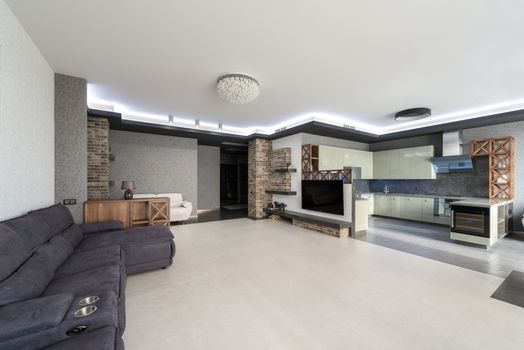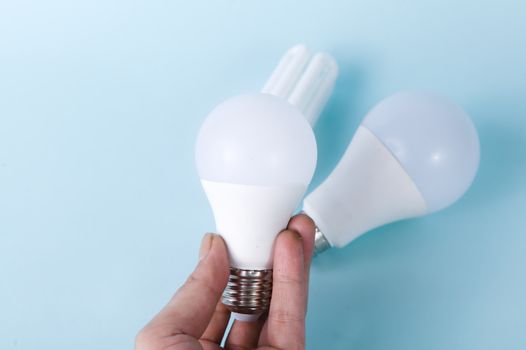
LED lighting has rapidly become the gold standard for modern kitchens, offering energy efficiency, brilliant illumination, and unmatched design flexibility. Whether you’re planning a full kitchen renovation or just looking to upgrade your outdated lights, learning how to properly install LED lighting can transform your space both visually and functionally. This comprehensive guide will walk you through the crucial steps, from planning and choosing the right products to expert installation techniques, safety tips, and the latest design trends.
The Benefits of Installing LED Lighting in Your Kitchen
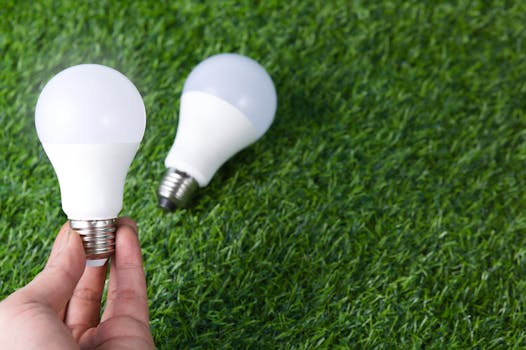
Before diving into the installation process, it’s worth understanding why LED lighting is the smart choice for kitchens. According to the U.S. Department of Energy, LEDs use up to 75% less energy and last 25 times longer than traditional incandescent bulbs. The average LED can run for 25,000 hours or more, which translates to over 10 years of typical kitchen use. This longevity means fewer replacements and reduced maintenance.
LEDs also emit far less heat than halogen or incandescent bulbs, making them safer for enclosed spaces like kitchens where heat buildup can be a concern. Plus, modern LED fixtures are available in a range of color temperatures, from warm inviting hues (2700K) for ambient lighting to cooler tones (5000K) perfect for task areas.
Planning Your Kitchen LED Lighting Layout
A successful kitchen lighting project starts with a thoughtful plan. The key is to layer different types of lighting to address various needs—ambient, task, and accent lighting. Here’s how to approach your layout:
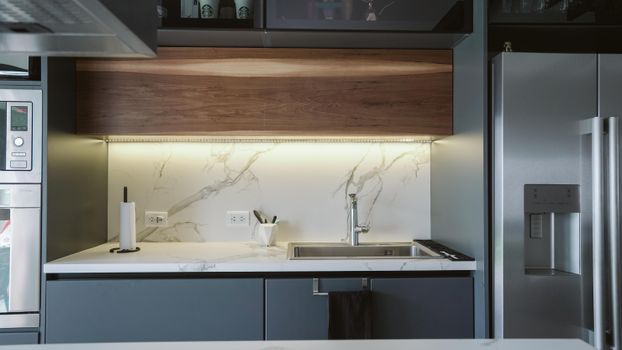
1. $1: This provides overall illumination. Ceiling-mounted LED panels or recessed downlights are common choices. 2. $1: Essential for food prep, cooking, and cleaning. Under-cabinet LED strips or puck lights are perfect for illuminating countertops. 3. $1: Used to highlight features like backsplashes, glass cabinets, or architectural details. Small LED spotlights or tape lights work well here. When planning your layout: - Map out the key work zones (sink, stove, prep areas). - Ensure every spot where you’ll be handling food is well lit. - Plan for dimmers and smart controls if you want adjustable lighting moods.A well-designed kitchen typically combines all three lighting types for maximum flexibility and functionality.
Choosing the Right LED Products for the Kitchen
Not all LEDs are created equal. The best choice depends on your kitchen’s unique design, your budget, and your intended use. Here’s a comparison of the most popular LED solutions for kitchens:
| LED Type | Best Use | Average Lifespan (hours) | Energy Efficiency | Installation Complexity |
|---|---|---|---|---|
| Recessed Downlights | Ceiling ambient lighting | 25,000 - 50,000 | High | Moderate |
| LED Strip Lights | Under-cabinet, accent | 30,000 - 50,000 | Very High | Easy-Moderate |
| Puck Lights | Spot task lighting | 20,000 - 40,000 | High | Easy |
| LED Panels | General ceiling lighting | 30,000 - 60,000 | Very High | Moderate |
| LED Tube Lights | Replacing fluorescent tubes | 30,000 - 50,000 | High | Easy |
Step-by-Step Guide to Installing LED Lighting in the Kitchen
Proper installation is critical for safety, performance, and longevity. Here’s a detailed walkthrough to help you achieve professional results:
1. $1: Always shut off the breaker for the circuits you’ll be working on. 2. $1: Use your lighting plan to mark where each LED fixture will be installed. 3. $1: For recessed lights, cut holes using a template and install mounting brackets. For strips or puck lights, clean surfaces before applying adhesive or screws. 4. $1: - $1: Run electrical wiring per local codes. Connect black (hot), white (neutral), and green or bare (ground) wires. - $1: Some under-cabinet strips and puck lights plug directly into outlets—simply route cords away from heat and water. 5. $1: Attach LED fixtures securely. For strip lights, press firmly along the adhesive backing. 6. $1: Restore power and test each fixture. Adjust positioning for optimal light coverage and appearance. 7. $1 (optional): Follow manufacturer instructions for integrating dimmers or smart switches, which can increase your kitchen’s versatility and energy savings.$1 If you’re unfamiliar with electrical work, consult a licensed electrician. Faulty installation can pose fire or shock risks.
Maximizing Efficiency and Aesthetics with Advanced LED Controls
Modern LED systems offer more than just on/off switches. Integrating advanced controls can significantly boost your kitchen’s efficiency, comfort, and style:
- $1: Allow you to fine-tune light output. Research shows dimming can cut energy use by up to 40% and extend LED lifespan. - $1: Perfect for pantry or under-cabinet lights—ensuring lights are only on when needed. - $1: Wi-Fi or Bluetooth-enabled LED controllers let you schedule lights, change color temperature, or control zones from your smartphone or voice assistant. - $1: Some premium LEDs can shift color temperature from a warm 2700K to a bright daylight 5000K, adapting the ambiance for cooking, dining, or entertaining.These options not only save energy but also allow you to create a space that’s perfect for any occasion.
Design Tips: Creating a Stylish and Functional Kitchen with LEDs
The right LED installation doesn’t just make your kitchen brighter—it can make it more beautiful and inviting. Here are some expert design tips:
- $1: Combine ceiling lights, under-cabinet strips, and accent fixtures for depth and dimension. - $1: Install LEDs under open shelving or above cabinet moldings to cast dramatic shadows and showcase backsplashes or stonework. - $1: Modern LED strips and panels are ultra-thin, so they hide easily under cabinets or in recessed tracks. - $1: Use warmer LEDs (2700-3000K) for dining areas and cooler ones (3500-4000K) for prep zones. - $1: Conceal cords and drivers inside cabinets or behind moldings for a seamless look.Don’t be afraid to consult with a lighting designer or take advantage of online visualization tools to preview your new kitchen lighting scheme.
Final Thoughts on Installing LED Lighting in the Kitchen
Properly installed LED lighting can revolutionize your kitchen, blending practicality with contemporary style. From energy savings—often up to $75 per year for a typical household—to rich, flexible illumination and safer cooking environments, LEDs offer clear advantages over legacy lighting systems. By carefully planning your layout, selecting quality LED fixtures, and following best installation practices, you’ll create a kitchen that’s brighter, more efficient, and more enjoyable for years to come.