LED lighting has rapidly become the dominant source of artificial illumination worldwide, found everywhere from our homes and offices to streetlights and digital screens. As we embrace the energy savings, longevity, and eco-friendliness of LED technology, a new question arises: how does this modern lighting affect our health? From eye comfort to circadian rhythms and overall well-being, the impact of LED lighting is more complex than many realize. This article takes a deep dive into the science and studies behind LED lighting's effects, offering clear, evidence-based insights for anyone concerned about their health in today's illuminated world.
The Rise of LED Lighting: What Changed in Our Environment?
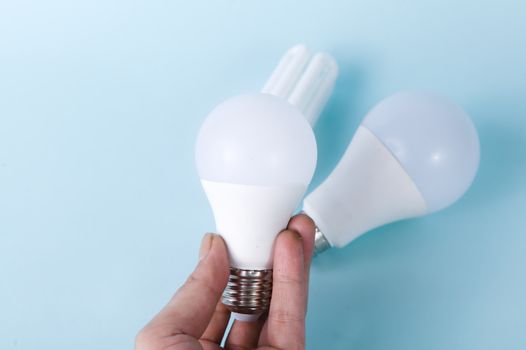
In the past two decades, LED (Light Emitting Diode) technology has transformed how we light our homes, workplaces, and public spaces. According to the U.S. Department of Energy, LEDs accounted for approximately 60% of all lighting sales in 2023, a sharp rise from under 10% a decade earlier. This shift is driven by their vastly superior energy efficiency, lasting up to 25,000 hours compared to just 1,000 hours for traditional incandescent bulbs.
However, this transition is not merely a technological update—it’s an environmental and physiological shift. Unlike older bulbs, LEDs emit light differently, often producing higher levels of short-wavelength (blue) light. This fundamental change in the spectrum and intensity of everyday lighting has prompted scientists to examine its effects on human health more closely than ever before.
LED Light and Eye Health: Myths, Facts, and Risks
One of the most common concerns about LED lighting is its effect on our eyes. Many people report discomfort, glare, or visual fatigue after prolonged exposure to LED screens or lighting. But what does the science actually say?
Blue light, which is more prevalent in LEDs, has a wavelength range of about 400–500 nanometers. According to a 2020 review published in the journal "Ophthalmology", excessive exposure to blue light can cause digital eye strain, characterized by symptoms like dryness, irritation, headaches, and blurred vision. The American Optometric Association estimates that 58% of adults experience symptoms of digital eye strain, often linked to extended screen time under LED backlighting.
However, the notion that LED light causes permanent eye damage, such as retinal injury, is largely unsupported by research at the exposure levels typical in homes and offices. Studies from organizations such as the European Commission’s Scientific Committee on Health, Environmental and Emerging Risks (SCHEER) found no conclusive evidence that LED lighting used in general environments leads to irreversible eye damage. The primary risks are discomfort and temporary symptoms, not long-term harm.
Impact on Circadian Rhythms and Sleep Patterns
Beyond the eyes, LED lighting plays a significant role in regulating our biological clock, known as the circadian rhythm. This internal system, synchronized by the natural cycle of daylight and darkness, governs essential functions like sleep, hormone production, and metabolism.
LEDs, particularly those with higher blue light content, can be disruptive to circadian rhythms if used excessively during evening hours. Blue light suppresses melatonin production much more than other wavelengths. Melatonin is the hormone that signals our bodies to prepare for sleep.
A 2019 study in "Nature and Science of Sleep" found that exposure to LED lighting in the evening delayed the onset of melatonin production by over 1.5 hours compared to dimmer, warmer light. As a result, people exposed to bright, cool-toned LEDs before bedtime reported lower sleep quality and greater difficulty falling asleep.
To minimize disruption, experts recommend dimming lights and using “warmer” color temperatures (below 3000K) after sunset. Many modern LED bulbs and devices now offer adjustable color temperatures, allowing users to tailor their lighting to the time of day.
LED Lighting and Overall Well-Being
The influence of LED lighting extends beyond just eyes and sleep. It can affect mood, alertness, and overall physical health. Bright, cool-white LEDs (color temperatures of 4000K and above) are shown to improve concentration and alertness during the day. This makes them a popular choice in offices and classrooms.
A 2021 clinical trial published in "Lighting Research & Technology" studied 98 office workers and found that those working under high-quality, well-designed LED lighting reported 20% fewer complaints of headaches and fatigue compared to those using older fluorescent lighting. The controllability and uniform distribution of LEDs played a key role in reducing discomfort.
However, overexposure to intense or poorly designed LED lighting can have drawbacks. High-intensity LEDs with a strong glare or flicker can lead to visual discomfort and stress. The International Commission on Illumination (CIE) recommends using diffusers, indirect lighting, and avoiding excessive brightness contrasts to create healthier environments.
Comparing LED Lights with Other Light Sources: Health Perspective
How do LEDs stack up against traditional light sources when it comes to health? Here’s a comparative overview:
| Lighting Type | Blue Light Emission | Flicker Risk | Energy Efficiency | Eye Comfort | Impact on Circadian Rhythm |
|---|---|---|---|---|---|
| LED | High (varies by model) | Low to Moderate | Very High | Good (with proper design) | Can disrupt if used at night |
| Incandescent | Low | Very Low | Poor | Excellent | Minimal disruption |
| Fluorescent | Moderate | High | Moderate | Fair (prone to flicker and glare) | Some disruption |
| Halogen | Low | Very Low | Low | Very Good | Minimal disruption |
From this table, it’s clear that while LEDs offer unmatched efficiency, they require thoughtful selection and placement to maximize comfort and minimize health risks.
Practical Strategies for Healthy LED Lighting at Home and Work
Given the widespread use of LEDs, how can we harness their benefits while minimizing health concerns? Here are evidence-based strategies:
1. $1 For daytime areas, select LEDs with a color temperature of 3500K–5000K for alertness and productivity. For bedrooms and evening spaces, use bulbs below 3000K to support relaxation and sleep. 2. $1 Dim lights and utilize warmer tones after sunset to avoid suppressing melatonin and disrupting your sleep cycle. 3. $1 Since digital screens also use LED backlighting, follow the 20-20-20 rule: every 20 minutes, look at something 20 feet away for at least 20 seconds to reduce eye strain. 4. $1 Adjustable lighting allows you to tailor intensity and color to your needs throughout the day. 5. $1 To prevent glare and visual discomfort, opt for fixtures that diffuse light, and avoid direct exposure to intense bulbs. 6. $1 Low-cost LEDs may flicker or emit excessive blue light. Invest in quality products from reputable brands that offer flicker-free, low-blue-light options.Final Thoughts on LED Lighting and Your Health
As LED lighting becomes the new normal, understanding its health impacts is crucial for everyone. While LEDs have revolutionized energy usage and convenience, they bring new challenges related to eye comfort, circadian health, and overall well-being. The latest research shows that most health risks are manageable with proper product selection, lighting design, and mindful usage—especially regarding blue light exposure and evening routines.
By staying informed and proactive, we can enjoy the many benefits of LED technology while minimizing potential side effects. As our environments continue to evolve, so too should the ways we care for our eyes, sleep, and daily health.