The Evolution of LED Lighting: From Invention to Everyday Impact
Over the past several decades, LED lighting has experienced a remarkable transformation, becoming a cornerstone technology in homes, businesses, and cities worldwide. Once a laboratory curiosity, LEDs (Light Emitting Diodes) now illuminate everything from smartphones and televisions to highways and historic landmarks. But how did this innovative technology progress from its humble beginnings to the powerful, energy-saving lighting solutions that shape our daily lives? In this article, we’ll journey through the fascinating evolution of LED lighting, highlighting the key breakthroughs, challenges, and future trends that continue to redefine how we experience light.
The Early Days: The Birth of the LED
The story of LED lighting begins in the early 20th century. In 1907, British experimenter H. J. Round first observed electroluminescence—a phenomenon where a material emits light in response to an electric current—while working with silicon carbide crystals. However, it wasn’t until 1962 that the first practical visible-spectrum LED was created by Nick Holonyak, Jr., at General Electric.
Holonyak’s red LED was groundbreaking, but early LEDs were limited to producing red or infrared light, restricting their use to indicator lights in electronics. Their efficiency was also poor by modern standards, typically converting less than 1% of electricity into visible light. Despite these limitations, the foundation had been laid for the revolutionary developments to come.
Breakthroughs in Color and Efficiency
The true potential of LED technology began to unfold in the 1970s and 1980s, as researchers discovered new semiconductor materials capable of emitting different colors. The introduction of gallium phosphide and gallium arsenide phosphide enabled the production of green and yellow LEDs. By the 1990s, the invention of the blue LED by Shuji Nakamura, Isamu Akasaki, and Hiroshi Amano marked a watershed moment. This innovation unlocked the possibility of creating white light by combining red, green, and blue LEDs or by coating blue LEDs with phosphor.
The blue LED’s invention was so significant that its creators received the Nobel Prize in Physics in 2014. It also opened the door for LEDs to be used in general lighting, thanks to improved color rendering and brightness. By the late 1990s, the first white LEDs entered the market, setting the stage for a dramatic shift in the lighting industry.
Rapid Advancements and Market Adoption
The 21st century saw an explosion in LED development. Manufacturing techniques improved, costs plummeted, and efficiencies soared. In 2002, the luminous efficacy of commercial white LEDs surpassed 20 lumens per watt (lm/W), making them more energy-efficient than traditional incandescent bulbs. By 2021, this figure had risen to over 200 lm/W for some of the best-performing LEDs.
The adoption rates reflect this extraordinary progress. According to the U.S. Department of Energy, in 2012, only 1% of installed lighting in the United States was LED. By 2020, that number had grown to over 50%, with billions of LED bulbs in use worldwide. This shift has resulted in substantial energy savings: in 2022 alone, LED adoption was estimated to save over 1.3 trillion kWh of electricity globally, equivalent to the annual power consumption of over 120 million homes.
Comparing Generations: LEDs vs. Traditional Lighting
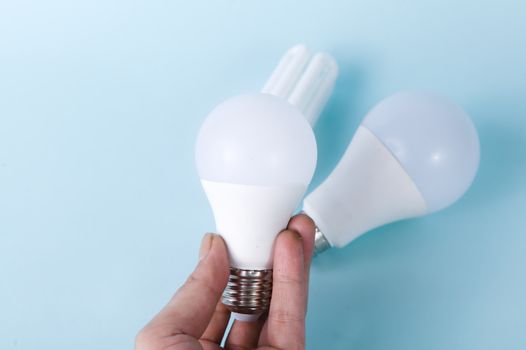
To understand the magnitude of LED evolution, it’s helpful to compare LEDs with earlier lighting technologies across key performance factors. The table below highlights how LEDs outshine incandescent and compact fluorescent lamps (CFLs) in energy efficiency, lifespan, and environmental impact.
| Lighting Type | Luminous Efficacy (lm/W) | Average Lifespan (hours) | Mercury Content | Annual U.S. Electricity Use (TWh, 2020 est.) |
|---|---|---|---|---|
| Incandescent | 10-17 | 1,000 | None | 177 |
| Compact Fluorescent (CFL) | 35-60 | 8,000 | Yes | 46 |
| LED | 80-200+ | 25,000-50,000 | None | 29 |
As the data show, LEDs not only use a fraction of the energy but also last up to 50 times longer than incandescent bulbs. This longevity reduces waste and replacement costs, while the absence of toxic mercury—present in CFLs—makes LEDs easier and safer to recycle.
LED Lighting’s Impact on Society and the Environment
The widespread adoption of LED lighting has brought about far-reaching benefits beyond mere convenience. On a global scale, LEDs have contributed to significant reductions in carbon emissions. The International Energy Agency estimates that LED lighting has cut annual CO2 emissions by over 800 million metric tons since 2010—the equivalent of removing more than 170 million cars from the road.
LEDs have also enabled advances in areas such as smart lighting, urban infrastructure, and horticulture. Smart LED systems can be controlled remotely and programmed for schedules, dimming, or color changes, enhancing energy savings and user comfort. In agriculture, specialized LED spectra are used to optimize plant growth and increase crop yields in vertical farms, a sector projected to reach $12 billion by 2026.
On the societal level, LEDs have improved lighting access in off-grid regions. Portable, solar-powered LED lamps are replacing polluting kerosene lanterns in developing countries, enhancing safety, health, and educational opportunities for millions.
Current Innovations and Future Prospects
As LED technology matures, new innovations continue to push the boundaries of what’s possible. OLEDs (Organic LEDs) and micro-LEDs are emerging as game-changers in displays and specialty lighting, offering thinner, more flexible, and even transparent illumination options.
Researchers are also exploring quantum dot LEDs and tunable white LEDs, which allow for more precise control of color temperature and spectrum. This can benefit applications ranging from human-centric lighting—improving sleep and productivity—to art galleries, where accurate color rendering is crucial.
Looking ahead, the global LED market is expected to grow at a compound annual rate of more than 12% through 2027, driven by the ongoing phase-out of less efficient lighting and rising demand for connected, sustainable solutions. Government incentives and new building codes continue to accelerate this transition, ensuring that LEDs remain at the forefront of the lighting landscape.
Key Milestones in the Evolution of LED Lighting
To appreciate how far LED lighting has come, it’s worth highlighting some of the major milestones in its evolution:
- 1907: H. J. Round discovers electroluminescence. - 1962: Nick Holonyak, Jr. invents the first visible-spectrum (red) LED. - 1972: The first yellow LED is produced using gallium arsenide phosphide. - 1993: Shuji Nakamura invents the blue LED, paving the way for white LEDs. - 1996: Commercial white LEDs become available. - 2002: LED efficacy surpasses 20 lm/W, outpacing incandescent bulbs. - 2014: Nobel Prize in Physics awarded for the invention of the blue LED. - 2020: Over 50% of U.S. installed lighting uses LEDs.These milestones represent decades of research, perseverance, and collaboration across scientific and industrial communities. Today, LEDs are a testament to the power of innovation and their evolution continues to inspire new possibilities for how we light our world.
Final Reflections on the Evolution of LED Lighting
The evolution of LED lighting is one of the most remarkable stories in modern technology. From a scientific curiosity to a global force for sustainability, LEDs have transformed the way we illuminate our lives. Their rise has been marked by groundbreaking discoveries, relentless improvement, and an ever-expanding range of applications.
LEDs have not only slashed energy consumption and emissions but have also fueled advancements in smart technology, agriculture, and environmental stewardship. As research and development continue to unlock new frontiers, the future of LED lighting promises even greater efficiency, adaptability, and creative potential.
Whether you’re flipping a light switch at home, walking along a brightly lit city street, or marveling at a dazzling LED display, you’re witnessing the legacy of a technology that has truly evolved—and continues to shine ever brighter.