
The Role of LED Lights in Sustainable Living: Illuminating a Greener Tomorrow
Sustainable living is more than a lifestyle trend—it's a critical response to the growing environmental challenges our planet faces. From reducing carbon footprints to conserving finite resources, every choice we make matters, particularly when it comes to energy consumption. Lighting, a fundamental part of modern life, is a significant contributor to household and commercial energy use. In this context, LED (Light Emitting Diode) lights have emerged as a game-changing solution. Their integration into daily life is not just about brighter rooms or lower bills; it's about paving a viable path toward sustainability. This article explores the multifaceted role of LED lights in sustainable living, examining their environmental, economic, and societal impacts with real-world data, comparisons, and practical insights.
Understanding Sustainability and the Lighting Challenge
Before diving into the specifics of LED technology, it’s essential to understand the context. Lighting accounts for approximately 15% of global electricity consumption and about 5% of worldwide greenhouse gas emissions, according to the International Energy Agency (IEA). Traditional lighting methods—like incandescent and halogen bulbs—are notoriously inefficient, converting up to 90% of their energy into heat rather than visible light.
Sustainable living aims to minimize negative environmental impacts while supporting economic and social well-being. In the lighting sector, this means adopting technologies that reduce energy consumption, lower emissions, and support longer product lifespans. LEDs represent a powerful response to this challenge, offering efficiency, durability, and a drastically reduced environmental footprint.
How LED Lights Contribute to Energy Efficiency
The most compelling argument for LED adoption lies in their remarkable energy efficiency. LEDs use up to 85% less electricity than traditional incandescent bulbs and about 40% less than compact fluorescent lights (CFLs). This efficiency translates into substantial energy savings across households, businesses, and entire cities.
To put this into perspective, consider a typical 60-watt incandescent bulb. An equivalent LED bulb produces the same amount of light using only 8 to 10 watts. Over a year, replacing ten 60-watt bulbs with LEDs in an average home can reduce electricity consumption by over 500 kilowatt-hours (kWh), which equates to a reduction of about 400 kilograms of carbon dioxide emissions, based on average U.S. electricity generation figures.
Moreover, large-scale adoption can have profound national and global effects. The U.S. Department of Energy estimates that widespread use of LED lighting could save approximately 348 terawatt-hours of electricity by 2027, equivalent to the annual output of 44 large power plants, and result in savings of over $30 billion in today’s electricity prices.
Environmental Benefits Beyond Energy Savings
While energy savings are significant, the environmental benefits of LED lights extend well beyond reduced electricity use. LEDs have a much longer lifespan—typically 15,000 to 50,000 hours compared to 1,000 hours for incandescent bulbs and about 8,000 hours for CFLs. This longevity means fewer bulbs end up in landfills, reducing waste and the need for frequent manufacturing and transportation.
LEDs also contain no mercury, a toxic element present in CFLs that requires careful disposal to prevent environmental contamination. This absence makes LEDs a safer and more sustainable choice throughout their lifecycle. The manufacturing process for LEDs is also becoming increasingly efficient, with advances allowing for the use of recycled materials and further reduction in resource consumption.
The shift to LED lighting supports efforts to combat climate change by lowering greenhouse gas emissions. For example, the European Union’s ban on halogen bulbs in 2018 was projected to save 15.2 million metric tons of CO2 emissions annually—the equivalent of removing roughly 2 million cars from the road each year.
The Economic Advantages of LED Lighting
Sustainable living must also make economic sense, both for individuals and society as a whole. Though the upfront cost of an LED bulb is higher than that of incandescent or CFL bulbs, the long-term savings far outweigh the initial investment. LEDs' lower energy consumption and extended lifespan mean fewer replacements and reduced utility bills.
Here’s a comparative overview of the costs and lifespans of common lighting options:
| Bulb Type | Average Lifespan (Hours) | Power Usage (Watts) | Annual Energy Cost (10 bulbs)$1$1Based on average U.S. electricity rates and 3 hours/day usage
**Including purchase price and replacements
This table illustrates not only the immediate energy cost savings but also the drastically lower total cost of ownership with LEDs. For households, these savings can amount to hundreds of dollars over a decade. On a national scale, the implications for utility demand, infrastructure investment, and consumer spending are even more significant. LED Lighting in Community and Urban SustainabilityLEDs are reshaping not just homes but entire communities and cities. Municipalities worldwide are replacing traditional streetlights with LED fixtures, reducing energy use by up to 70% and slashing maintenance costs due to LEDs’ long operational lives. For example, Los Angeles completed a citywide retrofit of 215,000 streetlights with LEDs, cutting energy use by 63% and saving the city $8 million annually. LED technology also enables smart lighting systems, which can adjust brightness based on occupancy or daylight availability, further optimizing energy use. These systems can be integrated with smart city infrastructure to enhance safety, reduce light pollution, and improve quality of life while supporting sustainability goals. In developing regions, affordable and solar-powered LED lanterns are replacing hazardous kerosene lamps, reducing respiratory illnesses and providing reliable, clean lighting for education, work, and community activities. According to the International Finance Corporation, more than 150 million people in Africa and Asia now use off-grid solar LED lighting solutions, illustrating LEDs’ potential to drive social and environmental change on a global scale. Future Innovations and the Expanding Role of LEDsThe sustainability benefits of LEDs are multiplying as research and innovation continue. New generations of LEDs are even more efficient, with some achieving luminous efficacies over 200 lumens per watt—more than twice that of early models. Advances in design allow for customizable color temperatures, improved light quality, and integration with smart home platforms. Emerging applications include horticultural LEDs, which enable energy-efficient indoor farming and vertical agriculture, reducing the need for land, water, and pesticides. In architecture, dynamic LED systems can adjust to natural light levels, further minimizing energy needs and enhancing occupant comfort. Moreover, recycling programs for LEDs are gaining traction, aiming to recover valuable materials and close the loop on product lifecycles. As these innovations mature, LEDs will continue to play an increasingly central role in sustainable living, from individual choices to systemic solutions. Embracing LED Lighting for a Sustainable FutureThe transition to LED lighting is not just a matter of technological upgrade; it’s a key strategy in the broader pursuit of sustainable living. By significantly reducing energy consumption, lowering greenhouse gas emissions, minimizing waste, and delivering long-term economic savings, LEDs empower individuals, communities, and governments to make meaningful progress toward environmental goals. As the world’s population grows and urbanizes, the demand for efficient, clean, and sustainable lighting will only increase. Whether it’s swapping out a single bulb or retrofitting an entire city, every step toward wider LED adoption illuminates the path to a greener, more sustainable future. FAQ How much energy do LED lights actually save compared to traditional bulbs? LED lights use up to 85% less electricity than incandescent bulbs and about 40% less than CFLs, resulting in significant energy and cost savings over time. Are LED lights really better for the environment? Yes, LEDs have a lower carbon footprint, contain no toxic mercury, last much longer, and require less frequent replacement, all of which contribute to reduced waste and lower greenhouse gas emissions. Do LEDs cost more than other bulbs? While the upfront price of LEDs is higher, their much lower energy use and long lifespan make them the most cost-effective option in the long run, saving households hundreds of dollars over a decade. Can LED lights be recycled? Many components of LED lights, such as aluminum and certain plastics, can be recycled. Specialized recycling programs for LEDs are expanding as their use becomes more widespread. How are LEDs being used in sustainable urban development? Cities are retrofitting streetlights with LEDs to cut energy use, reduce maintenance costs, and support smart lighting systems that adapt to real-time conditions, contributing to safer, more sustainable communities. More from the archiveView full article archive →
ambassadeonline.com
Optimize Your Home Gym: The Ultimate Guide to LED Lighting
ambassadeonline.com
Boost Your Business: How LED Lighting Attracts More Customers
ambassadeonline.com
Revolutionizing Urban Safety: How LED Lighting Enhances Public Spaces
ambassadeonline.com
Transform Your Home with LED Strip Lights: A Guide to Ambient Lighting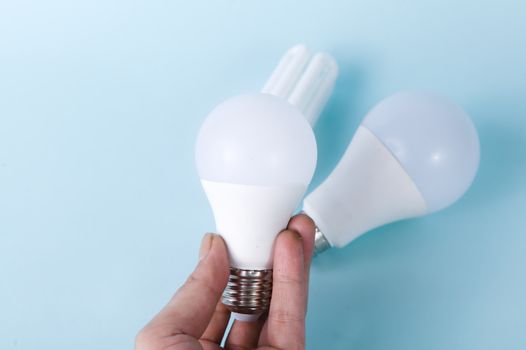
ambassadeonline.com
Maximize Home Sustainability: The Comprehensive Guide to LED Lighting Benefits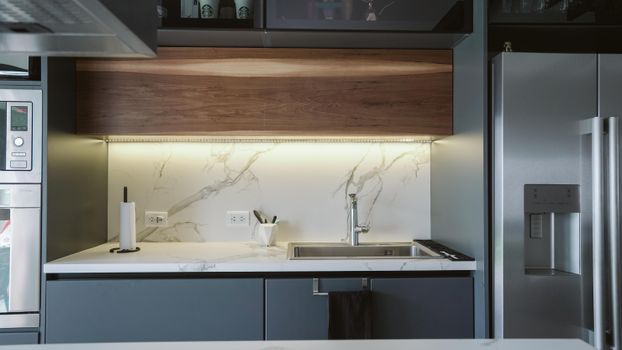
ambassadeonline.com
Transform Your Kitchen: DIY Guide to Installing LED Under-Cabinet Lighting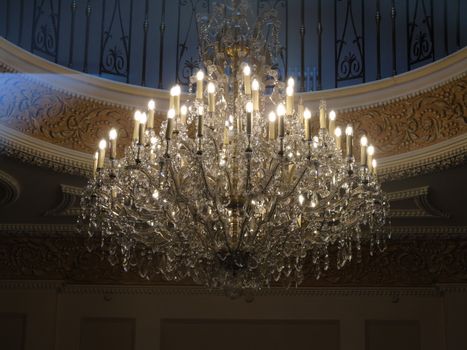
ambassadeonline.com
Mastering LED and Traditional Lighting: A Guide to Harmonious Indoor Illumination
ambassadeonline.com
Revamp Your Space: How LED Lighting Enhances Interior Colors & Mood |
|---|