Creating an Effective Workspace: How to Choose LED Lighting for a Home Office
If you work from home, you know that a well-designed workspace can make all the difference in your productivity and well-being. Yet, one essential aspect is often overlooked: lighting. The right LED lighting in your home office doesn’t just illuminate your paperwork or keyboard—it can energize you, help you focus, reduce eye strain, and even influence your mood. But how do you choose the best LED lighting for your home office? The answer goes far beyond just picking a bright bulb.
This guide explores the key aspects of choosing LED lighting for a home office, focusing on how thoughtful decisions about color temperature, brightness, placement, and smart features can transform your productivity. Whether setting up a new workspace or upgrading your current setup, these insights will help you create an environment that empowers your best work.
Understanding Color Temperature: Finding the Right Tone for Focus
One of the most critical (and often misunderstood) aspects of LED lighting is color temperature, measured in Kelvins (K). This value describes the color appearance of the light—whether it feels warm, neutral, or cool.
For a home office, color temperature can dramatically affect alertness and focus. According to a 2022 study published in the Journal of Environmental Psychology, workers exposed to cooler, daylight-like lighting (5000–6500K) reported greater alertness and cognitive performance than those under warmer lights.
- Warm white LEDs (2700–3000K) create a cozy, relaxing atmosphere, but may make you feel sleepy or unfocused—better for living rooms or bedrooms. - Neutral white LEDs (3500–4100K) strike a balance, providing a clean and natural light ideal for tasks that require concentration without feeling too harsh. - Cool white/daylight LEDs (5000–6500K) mimic daylight and are best for tasks that require high attention to detail, such as reading, writing, or working with graphics.For most home office setups, LEDs in the 4000–5000K range offer the best blend of focus, accuracy, and comfort—bright enough to energize, but not so blue that they feel clinical. Some modern LED fixtures even offer tunable white technology, allowing you to adjust the color temperature throughout the day to match your natural circadian rhythm.
Calculating the Right Brightness: Lumens Over Watts
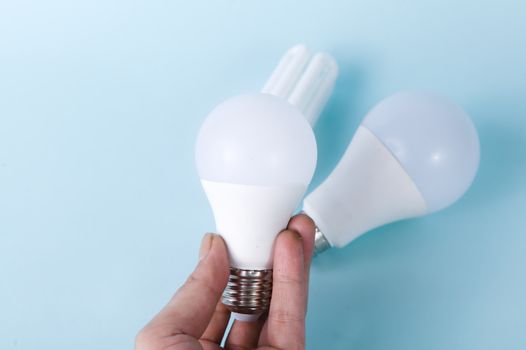
Another key factor in choosing LED lighting for a home office is brightness, measured in lumens (lm). Unlike traditional bulbs, LED wattage isn’t a reliable indicator of brightness. Instead, always check the lumen rating.
A well-lit home office generally requires between 3,000 and 6,000 lumens, depending on room size, wall color, and the amount of natural daylight. For reference, a typical 60-watt incandescent bulb produces about 800 lumens, while LED bulbs can deliver the same output using just 8–10 watts.
Here’s a useful table comparing common LED brightness options for home offices:
| Task/Area | Recommended Lumens | Typical LED Wattage |
|---|---|---|
| General Overhead Lighting | 2,000–4,000 lm | 20–40W |
| Desk Task Lighting | 500–1,000 lm | 5–10W |
| Accent/Shelf Lighting | 200–500 lm | 2–6W |
To maximize productivity, layer your lighting: combine bright overhead LEDs with focused desk lamps and softer accent lights. This reduces eye strain and helps balance shadows, ensuring a comfortable, evenly lit workspace.
Placement and Direction: Optimizing Light for Comfort
Even the best LED bulb can underperform if poorly placed. The placement and direction of your home office lighting can impact glare, shadows, and overall comfort.
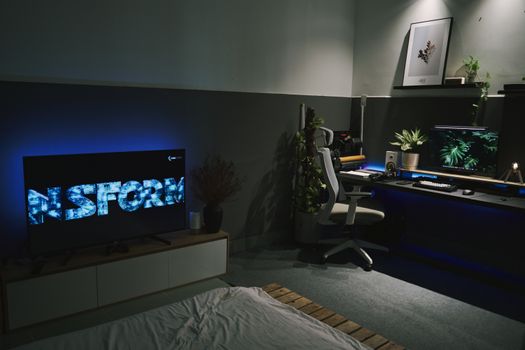
- Overhead Lighting: Ceiling-mounted LED fixtures or recessed lights provide even, general illumination. Position them to avoid casting shadows directly over your desk or computer. - Desk Task Lighting: Adjustable LED desk lamps are crucial. Aim for a lamp with a flexible arm and a broad, diffused head. Place it on the opposite side of your dominant hand to reduce shadows when writing or drawing. - Avoid Glare: Position lighting so it doesn’t reflect off your computer screen. Indirect or diffused LED sources are best—look for fixtures with frosted covers or use lampshades to soften the light. - Accent Lighting: Use LED strip lights or small spotlights on bookshelves or wall art to create visual interest and reduce eye fatigue during long work sessions.A 2019 study from the American Society of Interior Designers found that workers in offices with layered, adjustable lighting reported 23% less eye strain and 12% higher satisfaction compared to those with a single light source. This makes strategic placement as important as the lights themselves.
Advanced Features: Smart LEDs, Dimming, and Health Benefits
Modern LED lighting offers more than just on-off functionality. Smart features can help you tailor your workspace to your needs and even support your health.
- Dimmable LEDs: Adjust brightness as ambient light changes throughout the day. This is particularly helpful during cloudy weather or for late-night work sessions. - Color-Tunable LEDs: Some fixtures allow you to change color temperature with a remote or smartphone app. For example, you can use cooler light in the morning for focus, shifting to warmer light in the evening to wind down. - Smart Controls: Wi-Fi-enabled LED bulbs can be controlled via voice assistants (like Alexa or Google Home), scheduled, or automated to match your work schedule. According to Statista, over 45 million US households used smart lighting in 2023. - Flicker-Free Technology: Prolonged exposure to flickering lights (even if imperceptible) can cause headaches or eye strain. Look for LEDs certified as flicker-free or with a high-frequency driver.Some advanced LEDs even include built-in circadian rhythm support, gradually shifting color temperature throughout the day to mimic natural sunlight. Studies from the Lighting Research Center show that this can improve sleep quality and daytime alertness—key benefits for remote workers.
Energy Efficiency and Longevity: Saving Money While Working Smarter
LED lighting is not only effective but also economical. Compared to traditional incandescent bulbs, LEDs use up to 85% less energy and last up to 25 times longer. According to the US Department of Energy, a typical LED bulb can last over 25,000 hours—more than 10 years at 6 hours per day.
- Lower Utility Bills: Switching an entire home office to LEDs can save $75–$100 per year in energy costs, depending on usage and local rates. - Reduced Maintenance: With lifespans well over a decade, LEDs eliminate the hassle and cost of frequent bulb changes. - Eco-Friendly: LEDs contain no mercury and are 100% recyclable. The EPA estimates that if every US home replaced just one incandescent bulb with an LED, it would save enough energy to light 3 million homes for a year.For the home office, this means lower overhead, less distraction from maintenance, and a smaller environmental footprint—all while enjoying optimal lighting.
Customizing for Your Tasks: Matching Lighting to Your Work Style
Every home office is unique. A graphic designer, an accountant, and a remote teacher all have different lighting needs. Consider the following scenarios:
- Video Calls: Choose LEDs with a high Color Rendering Index (CRI) of 90 or above for natural skin tones and true-to-life colors on camera. - Reading and Writing: Prioritize cool white, high-lumen desk lighting for clarity and focus. - Creative Work: Select adjustable, color-tunable LEDs to shift between daylight for detail work and warmer tones for brainstorming or relaxation. - Multi-purpose Spaces: For home offices that double as guest rooms or hobby spaces, opt for dimmable or tunable fixtures that can adapt to different activities.Ultimately, the best LED lighting for your home office is one that supports your workflow, aligns with your personal preferences, and enhances your health and productivity.
Key Takeaways for Choosing LED Lighting for a Home Office
Creating a productive home office means more than just buying a bright bulb. By considering color temperature, brightness, placement, advanced features, and energy efficiency, you can craft a workspace that supports your best work and well-being.
Remember: - Choose color temperatures between 4000–5000K for focus and clarity. - Target 3,000–6,000 lumens total, layering general and task lighting. - Use adjustable, well-placed LEDs to minimize glare and eye strain. - Take advantage of smart controls, dimmers, and circadian features for flexibility. - Save money and reduce your carbon footprint with efficient, long-lasting LEDs.Investing a little time in your lighting setup can pay dividends in productivity, comfort, and health for years to come.